Most sourcing guides lump "warehouse robots" into one bucket. In practice, the biggest cost decision an overseas operator makes is not *which brand* but *which system archetype* — because a mobile robot that carries shelves and a four-way shuttle buried inside a steel rack solve the same problem in completely different ways, at very different price and density points. Here is how to tell them apart before you spend.
Three archetypes, one warehouse
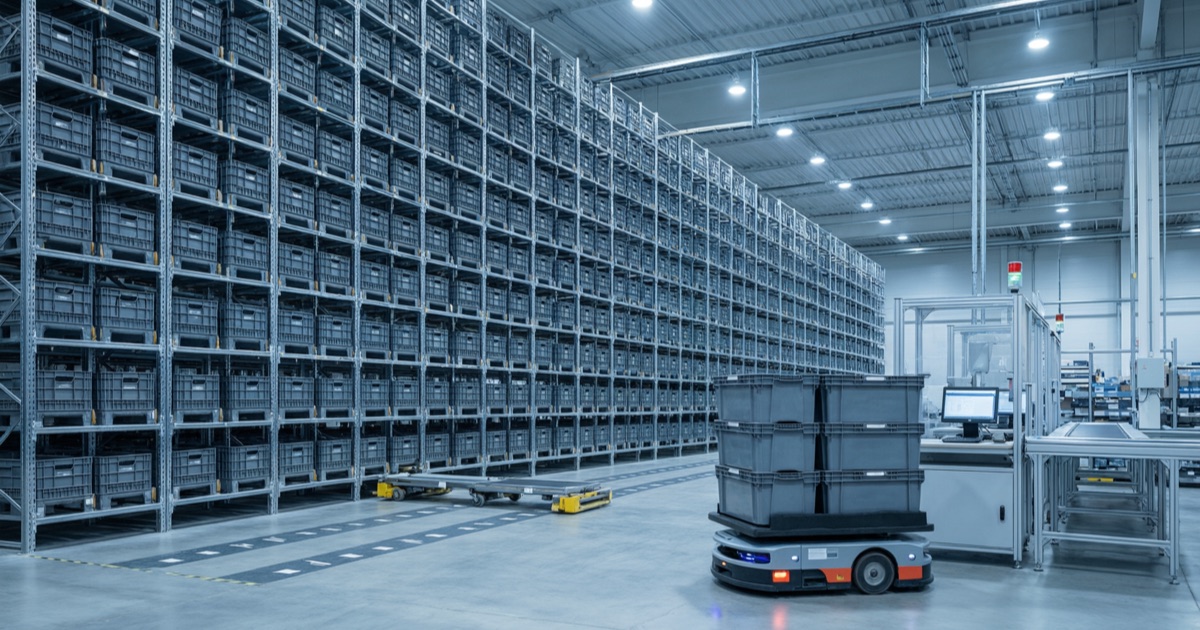
Mobile goods-to-person AMRs. Autonomous robots drive under a movable rack or tote shelf and bring it to a stationary picker. Fast to deploy, easy to reconfigure, and the reason this category cuts fulfillment labor cost — goods-to-person systems have been reported to reduce it by up to 50% versus manual picking. The trade-off: storage density is limited by the aisles the robots need to drive through.
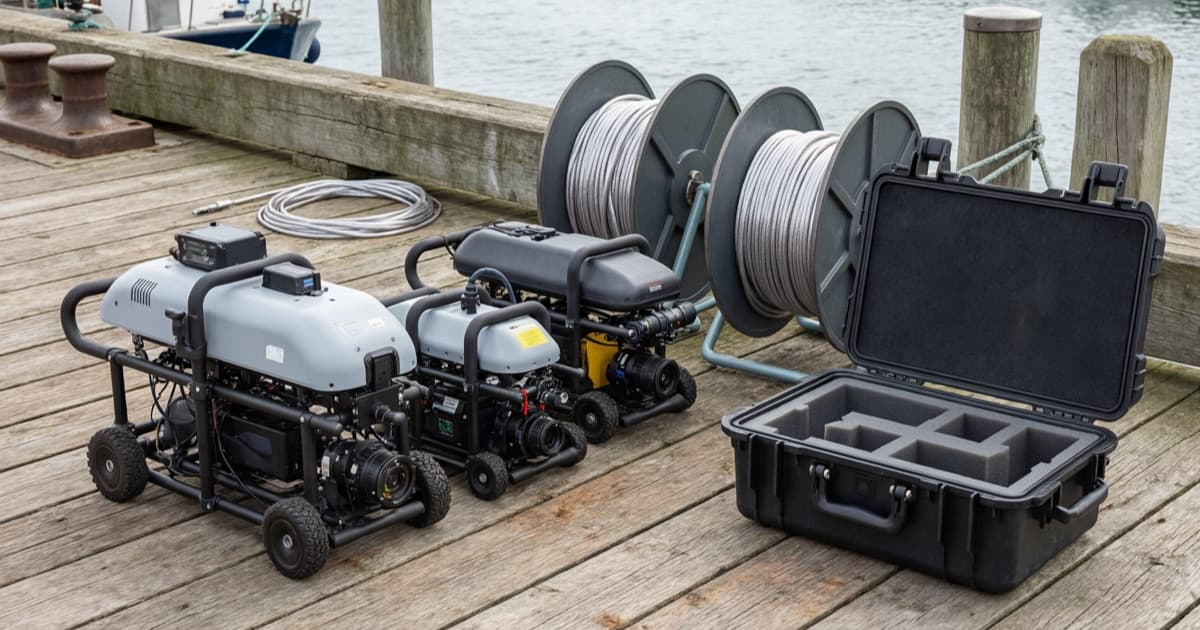
Four-way pallet shuttles (ASRS). Shuttles that run inside a dense steel rack, moving in two directions and changing lanes, feeding pallets or totes to lifts and conveyors. This is the density play — you trade flexibility for far more storage per square meter, which matters most where rent is high or the footprint is fixed.
Case/tote-handling robots (CTU). A newer middle ground: robots that pick individual totes or cases directly off tall racking with an onboard telescoping fork, no shelf-carrying and no full ASRS build-out. Good for deep buffers and mixed-SKU buffers where full four-way isn't justified.
Chinese vendors now ship all three as one product matrix — one leading supplier lists goods-to-person, fork-handling, CTU, and four-way shuttle lines together, with 2,000-plus deployments across more than 20 countries. That breadth is why sourcing from China is viable: you can buy a mixed fleet from a single integrator rather than stitching three vendors together.
The market signal buyers should note
This sector is maturing fast on the supply side. The largest Chinese AMR player listed publicly in Hong Kong in 2025, and Chinese vendors are winning nine-figure orders abroad — one Eastern European deal alone was reported near 200 million yuan (roughly US$28 million), with that region's 2025 total approaching 500 million yuan. Vendors are also pushing into general-purpose designs: recent "universal" warehouse robots pair dual 14-degree-of-freedom arms with large 50Ah batteries and wireless fast-charging around 3 kW, aimed at handling non-uniform tasks a fixed shuttle can't.
How to choose and source
- Start from density and rent, not the robot. High rent or a fixed footprint pushes you toward four-way shuttle ASRS; a leased building you may exit in 24 months pushes you toward mobile AMRs you can relocate.
- Match to SKU and order profile. Many SKUs, small orders, frequent re-slotting → goods-to-person AMR. Deep pallet buffers, stable SKUs → four-way shuttle. Mixed tote buffers → CTU.
- Interrogate the WMS/WCS integration. The robots are commoditizing; the control software is where projects fail. Confirm the vendor's system talks to your WMS via a documented API, not a bespoke bridge only they can maintain.
- Price the whole system. Racking, lifts, conveyors, charging infrastructure, commissioning, and local service often cost more than the robots. Get a turnkey landed quote, plus spare-shuttle lead times.
- Certification and safety. For the EU/UK confirm CE and the relevant machinery-safety marking; for North America confirm UL/ETL. Dense ASRS also carries fire-code implications — loop in your insurer early.
For a broader look at system types and typical use cases, see our warehouse robot category page.
Bottom line
Don't shop for a "warehouse robot." Decide which archetype your density, SKU profile, and lease horizon demand, then source that from a vendor that can integrate the software and service it locally. The hardware is increasingly a commodity; the system design and support are what you're actually buying.