Companion Robot entries on this site are research leads assembled from supplier or manufacturer materials. Inclusion does not establish current availability, regulatory compliance, performance, suitability or supplier identity for a transaction.
For each candidate, confirm the exact model and revision, intended task, operating environment, test conditions, integration scope, safety and compliance documents, software terms, warranty, spare parts and service arrangements. Request official documents and a current itemized quotation, then validate material claims in a representative acceptance test.
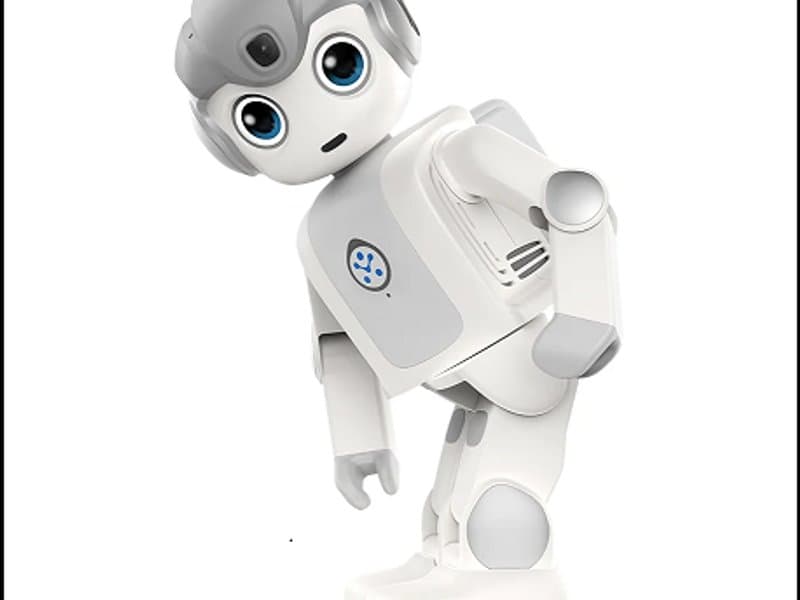
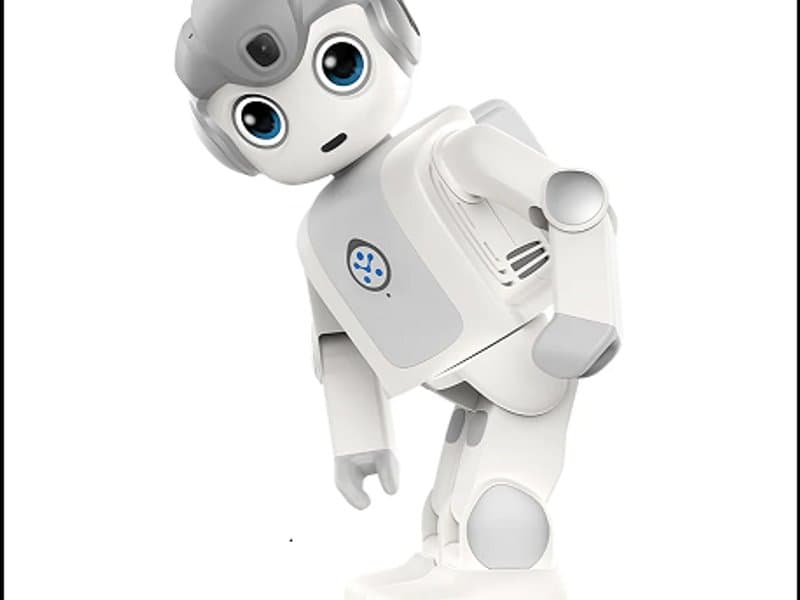
UBTech Alpha Mini is a catalogue entry associated with UBTech Robotics. Confirm the exact model, current configuration, specifications, availability, destination-market requirements and quotation with the manufacturer or an authorized seller. GrabaRobot has not independently tested this product.
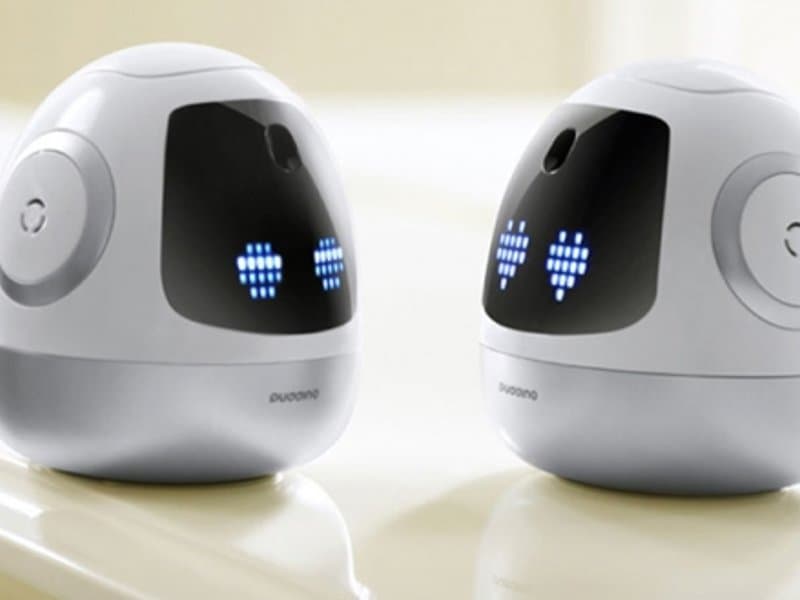
ROOBO Pudding is a catalogue entry associated with ROOBO (Beijing). Confirm the exact model, current configuration, specifications, availability, destination-market requirements and quotation with the manufacturer or an authorized seller. GrabaRobot has not independently tested this product.
Ling AI Robot is a catalogue entry associated with Ling Intelligence (Shenzhen). Confirm the exact model, current configuration, specifications, availability, destination-market requirements and quotation with the manufacturer or an authorized seller. GrabaRobot has not independently tested this product.
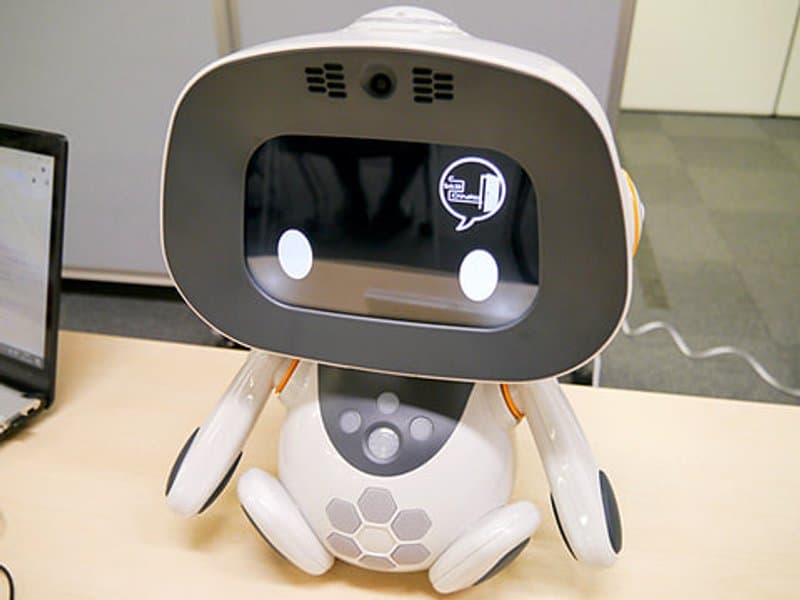
Unibo Social Bot is a catalogue entry associated with Unibo Robotics (Shanghai). Confirm the exact model, current configuration, specifications, availability, destination-market requirements and quotation with the manufacturer or an authorized seller. GrabaRobot has not independently tested this product.
Enabot EBO SE is a catalogue entry associated with Enabot. Confirm the exact model, current configuration, specifications, availability, destination-market requirements and quotation with the manufacturer or an authorized seller. GrabaRobot has not independently tested this product.
Samsung Ballie is a catalogue entry associated with Samsung Electronics. Confirm the exact model, current configuration, specifications, availability, destination-market requirements and quotation with the manufacturer or an authorized seller. GrabaRobot has not independently tested this product.
form: Spherical rolling robotdisplay: Built-in projector (content projection on walls/floors)ai: On-device AI with Samsung Bixby
Get catalogue updates, new research guides and evidence-check reminders.
Frequently Asked Questions
How much does a companion robot cost?
This directory does not establish a current companion robot transaction price. Request dated, itemized quotations for the exact model, quantity and destination. Compare hardware, tooling, integration, safety equipment, software, delivery, tax, installation, training, acceptance, warranty, spare parts and support on the same scope.
What companion robots are Possible Fit elderly care?
Treat the catalogue entry as a research lead. Confirm the exact companion robot model, current availability, supplier identity, documented specifications, operating limits, integration scope, safety information, warranty and support. Verify decision-critical claims in writing and in a representative acceptance test.
What companion robots are Possible Fit children?
Treat the catalogue entry as a research lead. Confirm the exact companion robot model, current availability, supplier identity, documented specifications, operating limits, integration scope, safety information, warranty and support. Verify decision-critical claims in writing and in a representative acceptance test.
What AI capabilities do companion robots have?
Treat the catalogue entry as a research lead. Confirm the exact companion robot model, current availability, supplier identity, documented specifications, operating limits, integration scope, safety information, warranty and support. Verify decision-critical claims in writing and in a representative acceptance test.
Which Chinese brands make companion robots that buyers can compare?
Start with the actual task, environment, interfaces, hazards and acceptance criteria. Compare exact models on the same requirements, distinguish supplier-stated fields from independently checked records, and request current documents and complete quotations. The directory does not rank products or establish suitability.
Can companion robots monitor health for elderly users?
Treat the catalogue entry as a research lead. Confirm the exact companion robot model, current availability, supplier identity, documented specifications, operating limits, integration scope, safety information, warranty and support. Verify decision-critical claims in writing and in a representative acceptance test.
How do companion robots connect with family members remotely?
Treat the catalogue entry as a research lead. Confirm the exact companion robot model, current availability, supplier identity, documented specifications, operating limits, integration scope, safety information, warranty and support. Verify decision-critical claims in writing and in a representative acceptance test.
How much does a companion robot cost?
There is no source-backed universal price on this page. Ask suppliers for a dated quotation tied to an exact model, configuration, quantity, destination and delivery term.
What should an itemized quotation include?
Request separate lines for the robot, controller, software licences, tooling, safety equipment, integration, shipping, tax, installation, training, acceptance testing, warranty, spare parts and support.
How should supplier quotations be compared?
Use one written requirements document and the same destination, currency, delivery term and acceptance test. Record exclusions and optional items before comparing totals.
Are the old price ranges still available?
No. GrabaRobot removed legacy ranges that lacked item-level source URLs and read dates. Current figures should come from dated supplier quotations that state their scope and validity period.
Fill out the form below and our sourcing team will review your request. We review submitted requirements; supplier responses and timing are not guaranteed.