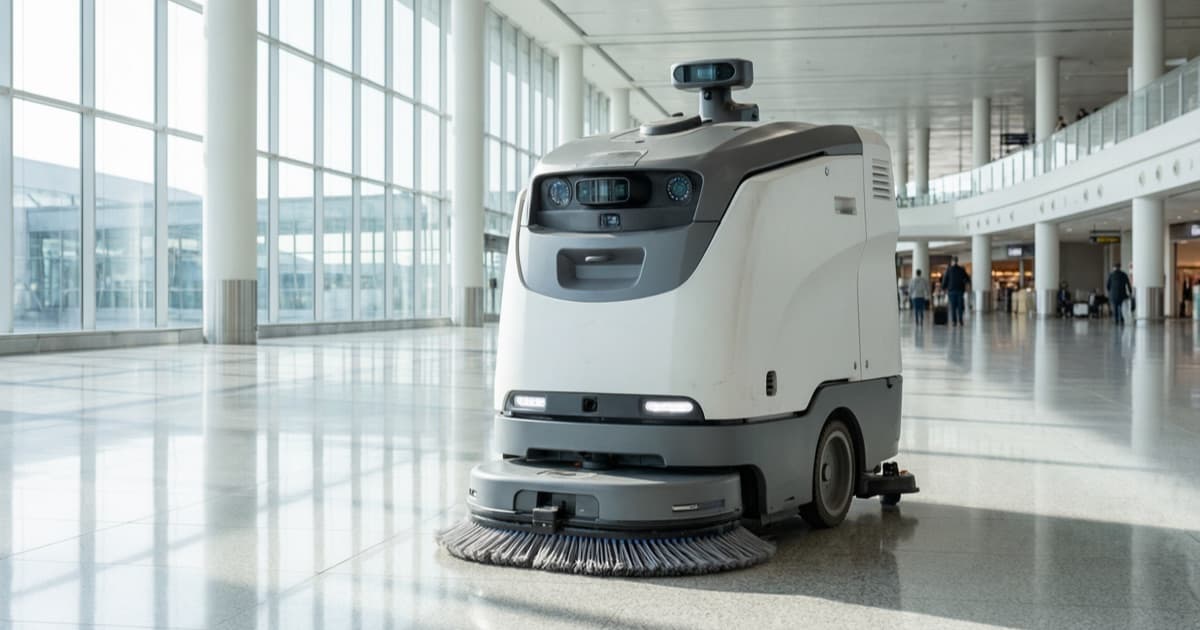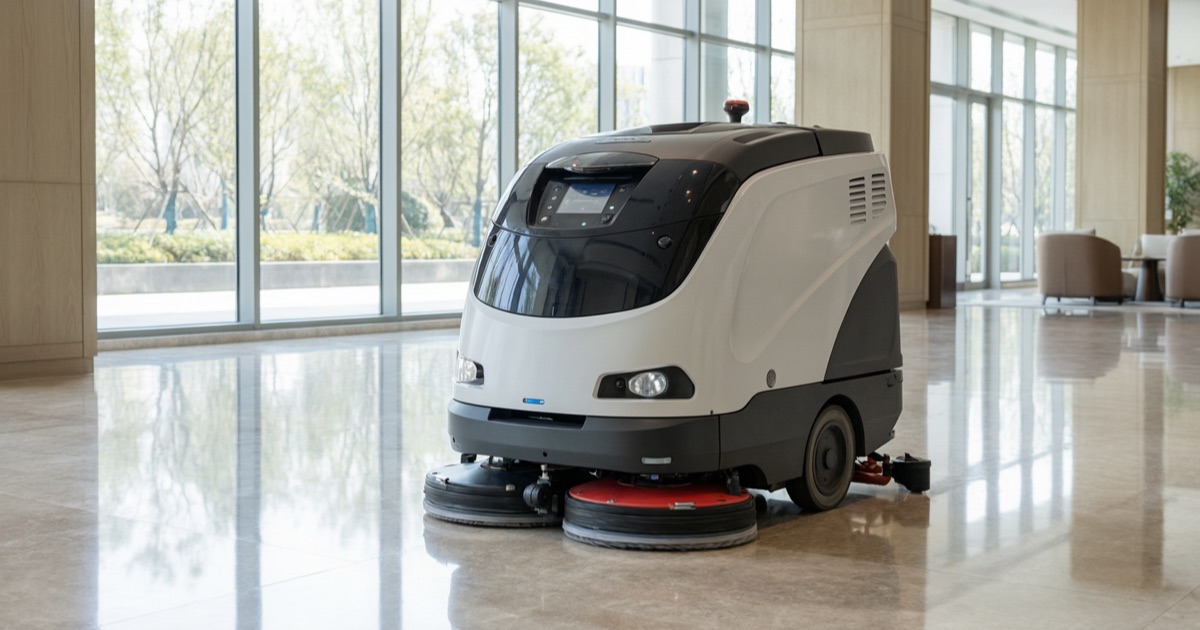
Gausium (formerly Gaussian Robotics) is one of the most visible names in commercial floor-cleaning robots, and one of the few whose full model line carries published US prices rather than quote-only listings. That makes it a useful anchor for anyone budgeting an autonomous cleaning deployment in a hotel, office, mall or warehouse.
This guide uses purchase prices listed by US distributor RobotLAB, which sells the Gausium line outright or as a Robots-as-a-Service (RaaS) lease. Prices are distributor listings, not manufacturer MSRP, and can move with configuration and volume — treat them as a realistic starting point, not a fixed quote.
The Gausium price line at a glance
| Model | Role | Purchase (from) | RaaS (from) |
|---|---|---|---|
| Beetle | Compact scrub/vac for tight retail floors | **$12,995** | ~$599/mo |
| Vacuum 40 | Corridor & mixed-floor vacuuming | **$18,500** | ~$849/mo |
| Phantas 1.3 | All-in-one sweep/scrub/vac/mop, smaller spaces | **$38,500** | ~$1,395/mo |
| Scrubber 50 Pro | Mid-size scrubbing, hospitality & facilities | **$43,000** | ~$979/mo (36-mo) |
| Scrubber 75P | Large-area industrial scrubbing | **$75,750** | ~$2,295/mo |
RaaS figures vary with lease term, so a 36-month contract and a 12-month contract on the same machine can show very different monthly numbers — the Scrubber 50 Pro, for example, lists from roughly $979/mo on a 36-month term. Always compare the total lease cost against the purchase price before assuming RaaS is cheaper.
What the money actually buys
Entry ($13k–$19k): Beetle and Vacuum 40. These are the machines for smaller footprints — a retail floor, a hotel corridor, a mixed-flooring lobby. The Vacuum 40 is purpose-built for narrow corridors and transitions between carpet and hard floor, which is why it shows up in hotel deployments. At under $20,000 outright, they are the realistic first step for an operator testing whether autonomous cleaning pays back.
Mid ($38k–$43k): Phantas and Scrubber 50 Pro. This is where you move from single-function to multi-function. The Phantas combines sweeping, scrubbing, vacuuming and mopping in one unit aimed at small-to-medium spaces, while the Scrubber 50 Pro is a dedicated scrubber sized for hospitality and general facilities. The roughly $4,500 gap between them is a function question, not just a size one.
Large ($75k+): Scrubber 75P. The 75-class is built for big, open industrial and commercial floors where cleaning-per-hour throughput justifies the price. At this tier, buyers are typically comparing the robot against the fully loaded cost of a human crew across multiple shifts, and the RaaS route (from ~$2,295/mo) is often how the purchase gets approved without a large up-front capital line.
Buy outright or lease?
The purchase-versus-RaaS decision usually comes down to two things: how long you will run the machine, and whether you want service and software bundled in. RaaS spreads the cost and typically folds in support, but a multi-year lease can exceed the purchase price in total. For a single facility with a stable cleaning need, buying the Beetle or Vacuum 40 outright is often the cheaper lifetime path; for a large-scrubber fleet across sites, RaaS keeps capital flexible and support predictable.
Either way, the two numbers that decide payback are labor hours displaced per week and the machine's realistic coverage rate in your specific floor plan — not the sticker price. A scrubber that needs frequent human intervention on a cluttered floor will underperform its spec sheet regardless of what it cost.
Sourcing and next steps
Gausium sells through regional distributors rather than a single global storefront, so US, EU and APAC pricing can differ, and demo units are usually available through the distributor network before you commit. If you are comparing Gausium against other commercial cleaning platforms on price and coverage, start from our commercial cleaning robot category, where the broader field — from sub-$10k models up — sits side by side.
_Prices in this guide reflect US distributor listings at the time of writing and are shown with "from" qualifiers because configuration, term and volume all move the final number._