Surface Finishing Robot from China — Top Manufacturers & Suppliers
Surface finishing robots automate the critical but labor-intensive processes of grinding, polishing, deburring, cutting, and surface treatment in manufacturing. These robots deliver consistent surface quality that is difficult or impossible to achieve manually, while eliminating worker exposure to hazardous dust, noise, and repetitive stress injuries.
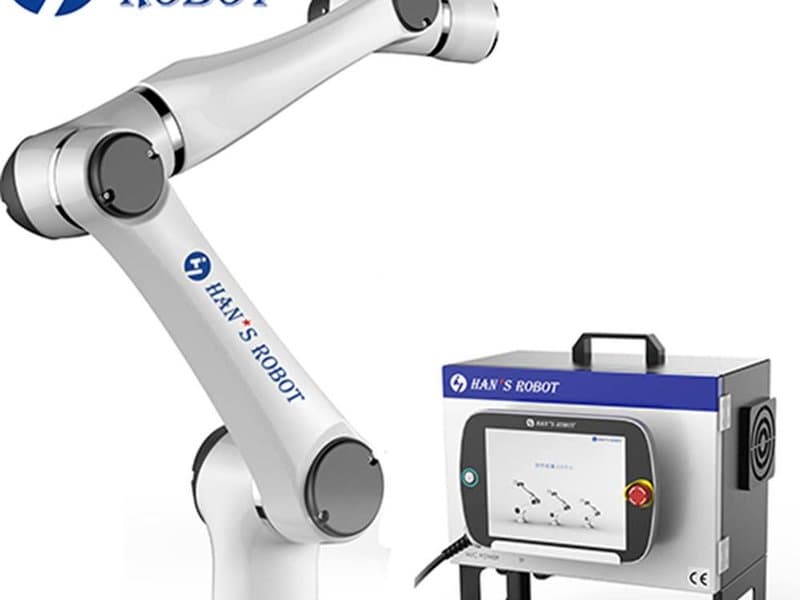
China's surface finishing robot industry has grown rapidly alongside the country's massive manufacturing sector. Companies like Estun, Efort, Rokae, and Han's Robot produce specialized finishing robots that serve automotive, aerospace, metalworking, furniture, and consumer electronics manufacturers worldwide.
Prices range from $15,000 for basic grinding robots to $200,000+ for precision multi-axis finishing systems with force control and vision guidance. Chinese manufacturers offer 30–50% cost savings over European and Japanese competitors while increasingly matching them on precision and reliability. The global surface finishing robot market is growing at 12% annually, driven by quality demands and worker safety regulations.
Top Surface Finishing Robot Products
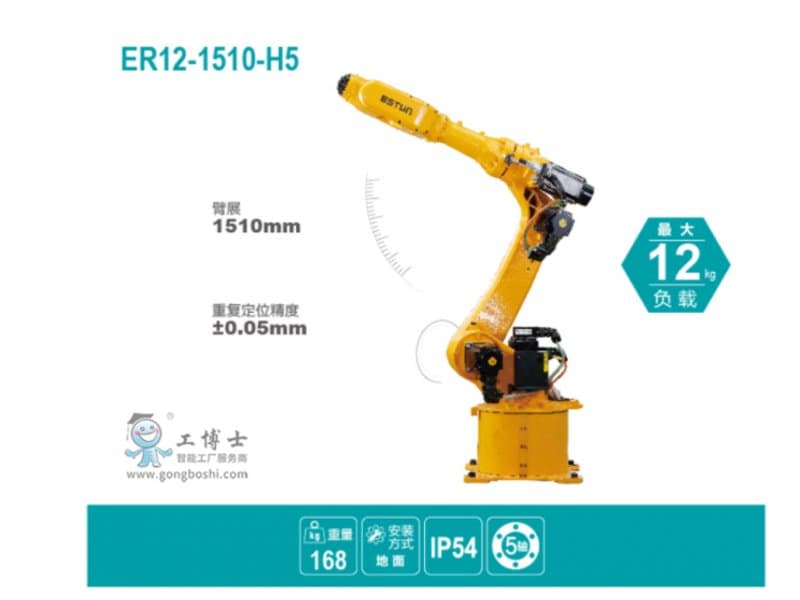
Estun ER12-1510 GP
Estun Automation
$22,000 - $35,000
payload: 12kgreach: 1,510mmrepeatability: ±0.05mm
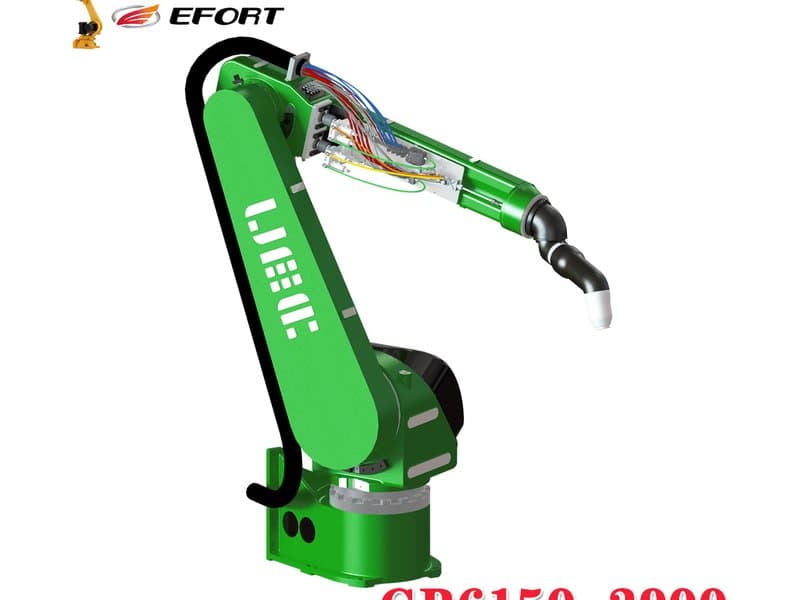
Efort GP20-1800
Efort Intelligent Equipment
$28,000 - $42,000
payload: 20kgreach: 1,800mmrepeatability: ±0.05mm
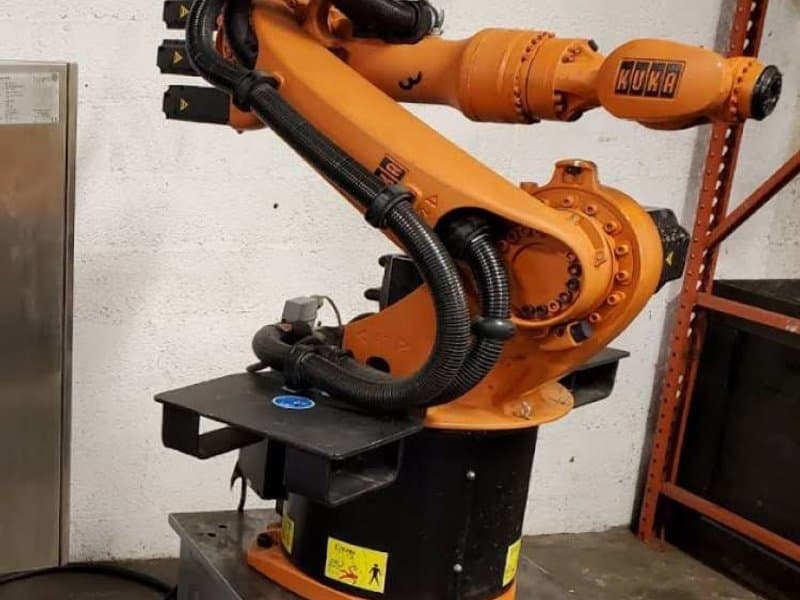
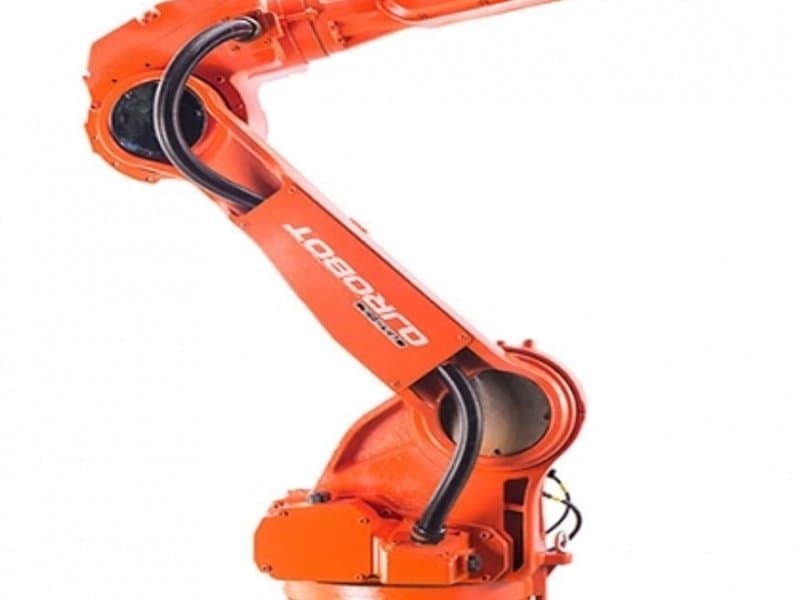
QJRobot QJR10-1450 SF
Qianjiang Robot
$17,000 - $26,000
payload: 10kgreach: 1,450mmrepeatability: ±0.06mm
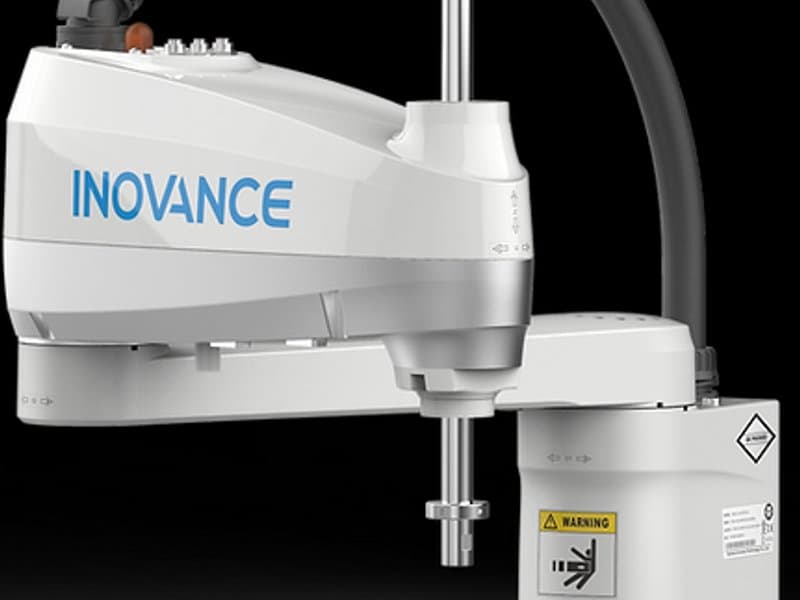
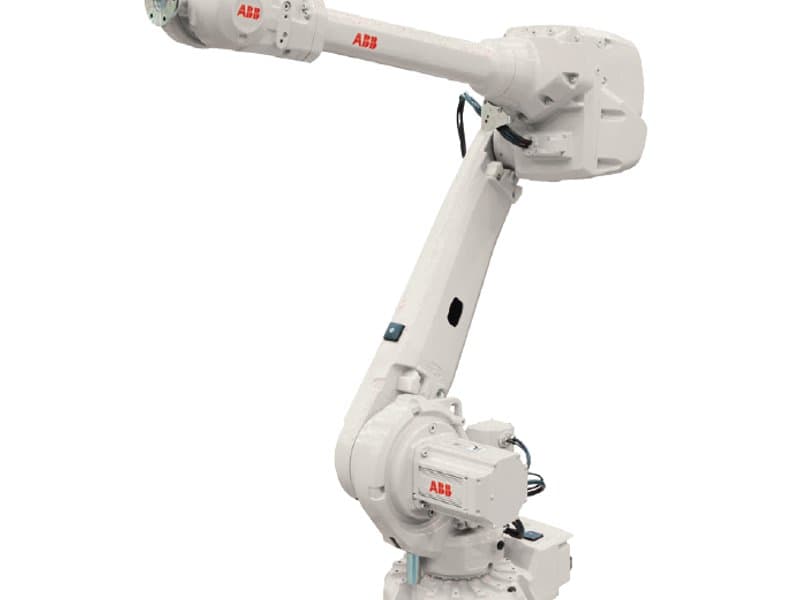
Inovance IRS10-1450 SF
Inovance Technology
$20,000 - $30,000
payload: 10kgreach: 1,450mmrepeatability: ±0.05mm
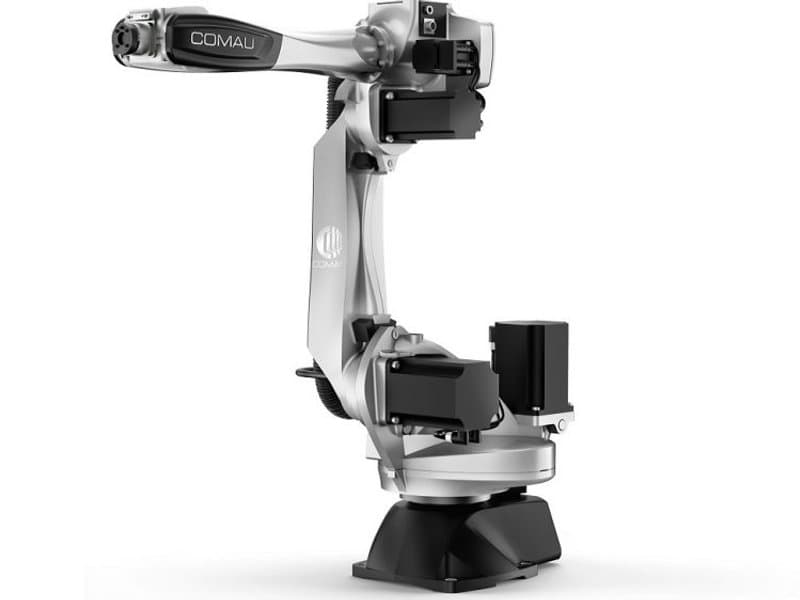
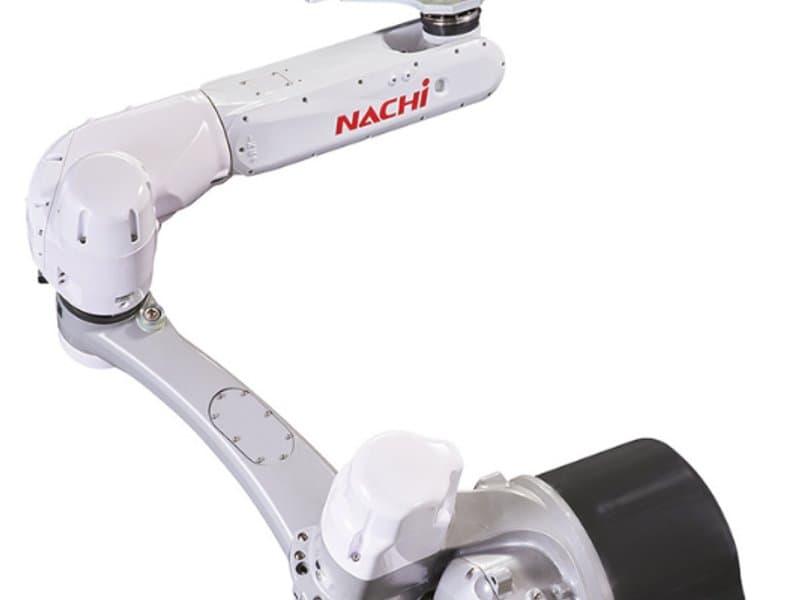
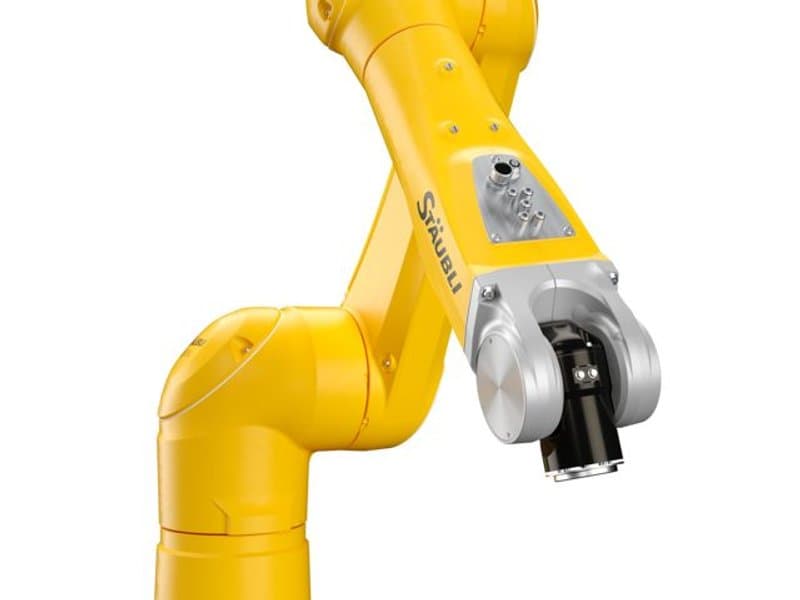
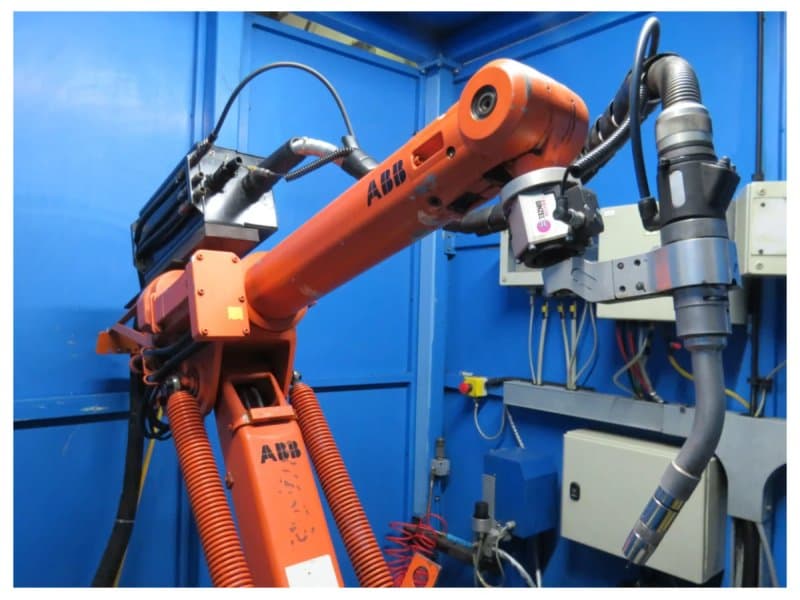
Peiton PA10-1400 SF
Peiton Technology
$19,000 - $29,000
payload: 10kgreach: 1,400mmrepeatability: ±0.05mm
Surface Finishing Robot by Application
Grinding & Polishing
Robots for automated grinding, polishing, and buffing of metal, stone, wood, and composite surfaces.
Cutting
Robotic cutting systems for laser, plasma, waterjet, and mechanical cutting of metals, composites, and other materials.
Deburring
Robots for removing burrs, flash, and sharp edges from machined, cast, and stamped metal parts.
Frequently Asked Questions
What are surface finishing robots?
Surface finishing robots are industrial robots equipped with force control technology and specialized end-effectors for automated grinding, polishing, deburring, and cutting operations. They use force-torque sensors or compliant tool holders to maintain consistent contact pressure against workpiece surfaces, producing uniform finish quality that manual operations cannot match. These robots typically feature 6-axis articulation with IP65+ protection against abrasive dust and coolant, and are programmed through teach pendants, offline CAM software, or hand-guided teaching. Surface finishing robots are widely used in automotive, aerospace, sanitary ware, consumer electronics, and metal fabrication industries.
What is the difference between grinding, polishing, and cutting robots?
Grinding robots use abrasive wheels or belts to remove significant material from workpiece surfaces, typically for weld seam removal, casting flash grinding, and surface leveling — they require high payload (10-45kg) and rigid force control. Polishing robots use softer media (buffing wheels, polishing pads, compound) to achieve smooth or mirror-like surface finishes with lighter contact forces and finer motion control. Cutting robots use rotary cutting tools, plasma, or waterjet to trim, cut, or separate materials. Many surface finishing robots can perform multiple operations by switching end-effectors. Grinding demands the most robust robot structure, polishing requires the finest force sensitivity, and cutting needs the highest path accuracy.
How much does a surface finishing robot cost?
Surface finishing robot costs range from $15,000 to $200,000+ depending on the robot, force control system, and application complexity. Chinese surface finishing robots from manufacturers like Estun, Efort, and QJRobot start at $15,000-$35,000 for basic 6-axis grinding robots. Mid-range systems with force-torque sensors and offline programming cost $35,000-$80,000. Premium robots from KUKA, ABB, FANUC, and Staubli with advanced force control run $55,000-$120,000. Complete turnkey finishing cells with fixtures, dust extraction, tool changers, and safety enclosures typically cost 1.5-2.5x the robot arm price. Chinese manufacturers offer 40-60% savings over European and Japanese equivalents.
Which Chinese manufacturers make the best surface finishing robots?
The leading Chinese surface finishing robot manufacturers include Estun (埃斯顿), Efort (埃夫特), Rokae (珞石), Siasun (新松), Han's Robot (大族), JAKA (节卡), QJRobot (钱江), Inovance (汇川), Aubo (遨博), and Gree Robotics (格力). Estun leads in precision and support quality after acquiring Germany's Cloos. Efort excels at turnkey system integration through Italian acquisitions. Rokae's 7-axis cobots offer the best inherent force control for delicate polishing. QJRobot and KAINUOPU provide the most affordable entry points. For collaborative finishing applications, JAKA and Aubo offer intuitive programming with force feedback. The choice depends on application requirements, budget, and required precision level.
How precise are surface finishing robots compared to manual finishing?
Surface finishing robots achieve ±0.03-0.08mm repeatability and maintain consistent contact force within ±2-5% of target, producing uniform surface roughness (Ra) across entire production runs. Skilled manual finishers can achieve similar or slightly better results on individual pieces but cannot maintain consistency over 8-hour shifts — manual finishing quality degrades with operator fatigue. Robots deliver consistent surface roughness values (e.g., Ra 0.4-1.6 µm for polishing) with less than 5% variation, while manual finishing varies 15-30%. For high-volume production, robotic finishing reduces reject rates from 8-15% (manual) to 1-3% (robotic). However, for complex freeform surfaces or one-off artistic pieces, skilled manual finishing may still be preferred.
What is the ROI of a surface finishing robot?
Surface finishing robots typically deliver ROI within 10-18 months. A $50,000 finishing system replaces 2-4 manual polishers across two shifts, saving $80,000-$160,000 annually in labor costs. Additional benefits include 3-5x higher throughput (robots operate continuously at consistent speed), 80-95% reduction in surface quality defects, 30-50% reduction in consumable waste through precise force control, and elimination of occupational health risks from dust exposure. Operating costs average $3-6 per hour including electricity, abrasives, and maintenance. For sanitary ware and hardware polishing — where manual labor is increasingly scarce and expensive — ROI can be as fast as 6-10 months. The labor savings are particularly significant in China where finishing worker wages have risen 8-12% annually.
What are the most common applications for surface finishing robots?
The most common surface finishing robot applications include: automotive (body panel grinding, engine component deburring, trim polishing), sanitary ware and faucets (chrome polishing, casting flash removal), aerospace (turbine blade finishing, composite trimming), 3C electronics (phone case polishing, laptop shell finishing), medical devices (implant surface treatment, surgical instrument polishing), metal castings (gate removal, surface grinding, weld seam dressing), and mold/die finishing (cavity polishing, EDM surface smoothing). In China, the largest deployment sectors are sanitary ware/hardware manufacturing (Fujian, Zhejiang), automotive parts (Guangdong, Shanghai), and 3C electronics (Shenzhen, Suzhou). The growing shortage of skilled manual polishers is driving rapid adoption across all sectors.
How much cheaper are Chinese surface finishing robots compared to KUKA or ABB?
Chinese surface finishing robots from manufacturers like Estun, Efort, and QJRobot are typically 40-60% cheaper than comparable KUKA, ABB, or FANUC systems. A mid-range Chinese finishing robot system costs $30,000-$60,000 vs $70,000-$130,000 for European/Japanese equivalents. The gap narrows for advanced force control features, where Chinese cobots like Rokae and JAKA compete at 20-40% less than Universal Robots or KUKA iiwa.
What is the total cost of a surface finishing robot system beyond the robot arm?
A complete surface finishing robot system typically costs 1.5-2.5x the robot arm price. For a $30,000 robot arm, expect to pay $50,000-$75,000 total including force control hardware ($5,000-$15,000), grinding/polishing tools ($3,000-$8,000), fixtures ($3,000-$10,000), dust extraction ($3,000-$15,000), safety enclosure ($2,000-$5,000), and installation/commissioning ($3,000-$8,000).
Is it worth investing in force-torque sensors for surface finishing?
Yes, force-torque sensors ($5,000-$15,000) significantly improve finishing quality and reduce consumable waste. Without active force control, robots cannot compensate for workpiece variations, tool wear, or fixture inconsistencies — leading to uneven finishes and higher reject rates. Active force control typically reduces surface quality defects by 60-80% and extends abrasive tool life by 30-50%. The sensor investment pays for itself within 3-6 months through reduced rework and consumable savings.
Can Chinese surface finishing robots match KUKA or ABB quality?
Top Chinese surface finishing robots from Estun and Rokae achieve 85-95% of the finishing quality of KUKA and ABB systems at 40-60% of the price. The gap is primarily in advanced force control software sophistication and long-term reliability (40,000+ hours). For most manufacturing applications — sanitary ware polishing, casting deburring, metal furniture finishing — Chinese robots deliver more than sufficient quality. For ultra-precision applications like aerospace or medical implant finishing, premium international brands still hold an edge.
How long does it take to set up a surface finishing robot?
A typical single-robot finishing cell takes 2-6 weeks from delivery to production. Mechanical installation and electrical connection require 3-5 days. Developing and testing finishing programs for the first set of parts takes 5-15 days depending on surface complexity — simple flat grinding takes days, while complex 3D polishing requires weeks of path optimization. Operator training needs 1-2 weeks. The most time-consuming aspect is usually optimizing abrasive selection, contact pressure, and feed speed to achieve the target surface quality. Chinese integrators specializing in finishing applications can significantly reduce commissioning time.
Related Articles
Related Categories
Get a Free Quote
Fill out the form below and we'll connect you with verified manufacturers within 24 hours.