Power Grid Inspection Inspection Robot — Solutions & Suppliers from China
Power grid inspection robots are critical for maintaining the reliability and safety of electrical infrastructure. These robots autonomously patrol substations, inspect transformers, switchgear, and transmission equipment using thermal imaging, visible light cameras, and partial discharge sensors.
China's State Grid Corporation has deployed thousands of inspection robots across its vast power network, making Chinese manufacturers the global leaders in this segment. Companies like Shandong Luneng Intelligence, Hangzhou Shenhao, and Zhejiang Guozi produce robots that can operate in extreme temperatures (-40°C to 60°C), detect equipment faults with 99%+ accuracy, and generate automated inspection reports.
Substation inspection robots typically cost $30,000–$80,000 depending on sensor configuration and environmental rating. Transmission line inspection robots using drones or cable-crawling mechanisms range from $20,000–$150,000. The ROI is compelling — a single robot replaces 2–3 full-time inspectors while providing 24/7 monitoring and early fault detection that prevents costly outages.
Power Grid Inspection Inspection Robot Products
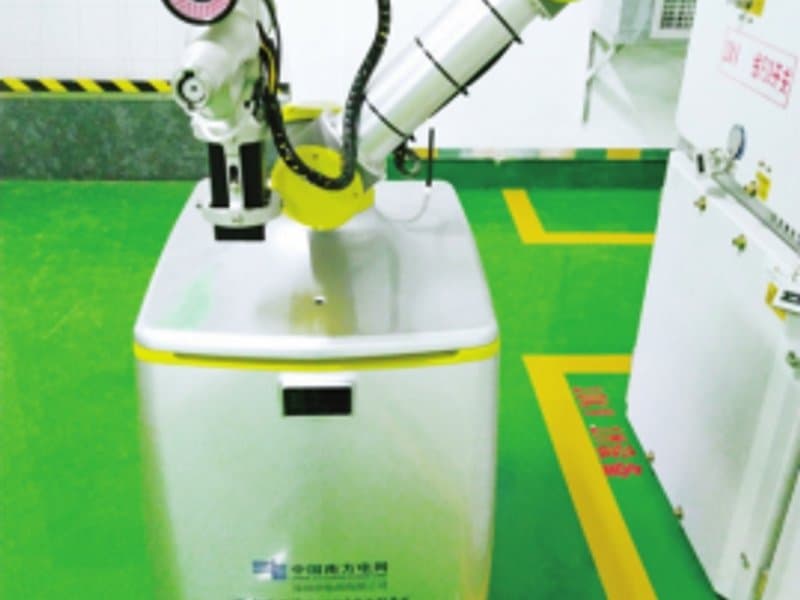
CSG Smart Inspector
CSG Smart Science & Technology
$40,000 - $70,000
weight: 120kgspeed: 0.8 m/sbattery: 6 hours
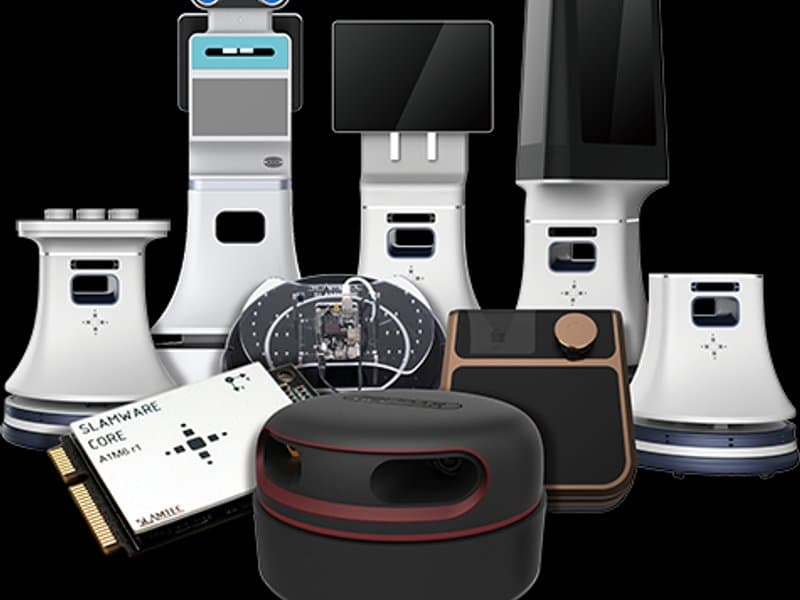
Topsky Rail Inspector
Topsky Intelligence (Shenzhen)
$30,000 - $55,000
weight: 45kgspeed: 1.0 m/sbattery: 10 hours

Luneng Smart Eye 3.0
Shandong Luneng Intelligence
$55,000 - $90,000
weight: 150kgspeed: 1.2 m/sbattery: 8 hours
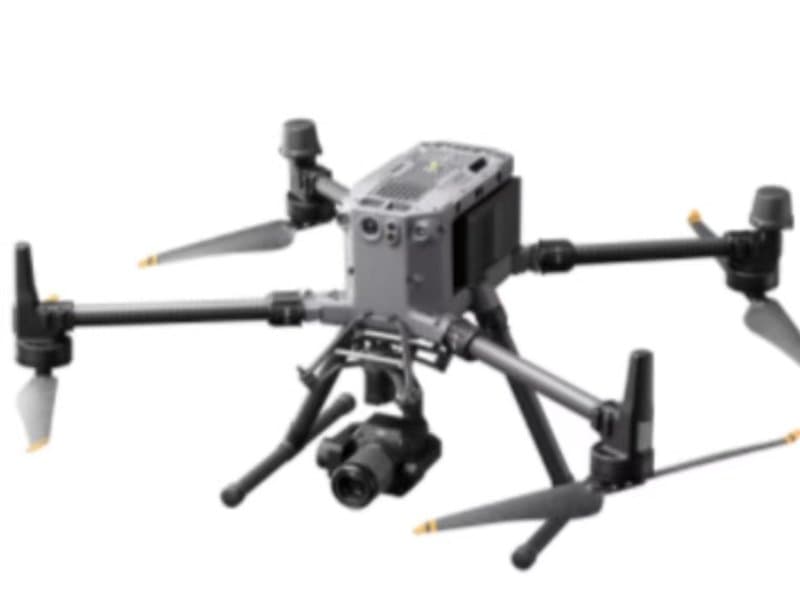
DJI Matrice 350 RTK (Solar Inspection Kit)
DJI
$15,000 - $30,000
weight: 6.5kgflight_time: 55 minutessensors: Zenmuse H20T thermal + 4K visible
Frequently Asked Questions
What types of inspection robots are available?
Inspection robots come in several types tailored to specific environments. Wheeled inspection robots patrol substations, data centers, and industrial plants, using thermal and visible cameras to monitor equipment ($30,000-$100,000). Tracked robots navigate rough terrain for pipeline and tunnel inspection ($20,000-$80,000). Climbing robots inspect vertical surfaces like wind turbine blades and storage tanks ($15,000-$60,000). Underwater ROVs inspect dams, ship hulls, and subsea infrastructure ($10,000-$150,000). Pipe crawlers inspect sewer, oil, and gas pipelines internally ($5,000-$50,000). Aerial inspection drones complement ground robots for comprehensive facility monitoring. Chinese manufacturers offer competitive options across all categories.
How much does an inspection robot cost?
Inspection robot costs vary significantly by type and capability. Basic pipe inspection crawlers start at $5,000-$15,000 from Chinese manufacturers. Wheeled substation inspection robots range from $30,000-$80,000, with models from Chinese companies like Guozi Robotics and Shandong Luneng. Heavy-duty tracked inspection robots for hazardous environments cost $50,000-$150,000. Climbing inspection robots for wind turbines and facades range from $15,000-$60,000. Underwater inspection ROVs cost $10,000-$150,000 depending on depth rating and sensor packages. Chinese-made inspection robots typically cost 30-50% less than equivalents from European or American manufacturers while delivering comparable sensor quality and AI analytics.
What are the main applications of inspection robots?
Inspection robots serve critical roles across multiple industries. In power utilities, wheeled robots patrol substations and transformer stations, checking for overheating, oil leaks, and equipment anomalies 24/7. Oil and gas companies use pipeline crawlers and explosive-atmosphere-rated robots for refinery and pipeline inspection. Data centers deploy robots to monitor server room temperatures, humidity, and equipment status. Mining operations use rugged tracked robots for tunnel inspection and air quality monitoring. Renewable energy companies employ climbing robots for wind turbine blade inspection. Water utilities use pipe crawlers for sewer and water main assessment. These robots reduce human exposure to hazardous environments while improving inspection frequency and consistency.
Who are the leading Chinese inspection robot manufacturers?
China's top inspection robot manufacturers include Guozi Robotics, Shandong Luneng Intelligence Technology, Zhejiang Guochen, Hangzhou Shenhao, and CSJBOT. Guozi Robotics leads in substation and power plant inspection with over 5,000 units deployed across Chinese utilities. Shandong Luneng, a subsidiary of State Grid, specializes in power grid inspection robots. Zhejiang Guochen produces versatile wheeled and tracked robots for industrial plants. Hangzhou Shenhao focuses on data center and tunnel inspection. These companies benefit from strong domestic demand — China operates the world's largest power grid — and are increasingly expanding internationally with CE and FCC-certified products.
What is the difference between indoor and outdoor inspection robots?
Indoor inspection robots are designed for controlled environments like data centers, factories, and substations. They feature precise SLAM navigation on flat surfaces, focus on thermal and visual monitoring, and typically weigh 30-80 kg with 4-8 hour battery life. Outdoor inspection robots are built for harsh conditions with IP65+ weatherproofing, all-terrain mobility (tracks or large wheels), GPS/RTK navigation, and ruggedized construction weighing 80-200+ kg. Outdoor models handle temperature extremes (-30 to 60 degrees C), rain, dust, and uneven terrain. Battery life for outdoor models is typically 3-6 hours. Pricing reflects the added complexity — outdoor robots cost 50-100% more than comparable indoor models.
What AI features do modern inspection robots have?
Modern inspection robots incorporate several AI capabilities that transform raw sensor data into actionable insights. Computer vision algorithms automatically detect equipment defects like rust, cracks, leaks, and loose components with 95%+ accuracy. Thermal AI identifies overheating electrical connections and predicts equipment failure before it occurs. Natural language processing enables voice-based reporting and alarm summaries. Machine learning models improve detection accuracy over time by learning from historical inspection data. Edge computing allows real-time analysis without cloud connectivity, critical for remote and secure facilities. Chinese manufacturers like Guozi Robotics offer proprietary AI platforms with pre-trained models for specific industries, reducing deployment time from months to weeks.
How do inspection robots integrate with existing monitoring systems?
Inspection robots integrate with existing facility monitoring systems through standardized protocols and APIs. Most Chinese-made robots support MQTT, Modbus, and OPC-UA protocols for industrial communication. Data feeds into SCADA systems, building management systems (BMS), and enterprise asset management (EAM) platforms. Cloud-based management portals allow remote monitoring of robot status, patrol routes, and inspection results. Integration with alarm systems enables robots to autonomously investigate triggered alerts. Video feeds can be routed to existing security operations centers via RTSP streaming. Leading manufacturers provide SDK toolkits and RESTful APIs for custom integrations, with typical integration timelines of 2-4 weeks.
How much does a substation inspection robot cost?
A substation inspection robot from a Chinese manufacturer typically costs $45,000-$70,000, including thermal cameras, partial discharge detection, and autonomous navigation. This is 30-50% less than comparable solutions from European manufacturers. A complete system with charging station and software platform runs $60,000-$100,000.
What is the ROI of an inspection robot?
Inspection robots typically achieve ROI within 18-24 months. A single robot can replace 2-3 inspection workers across shifts, saving $50,000-$80,000 annually while providing more consistent and frequent inspections. They also reduce safety risks in hazardous environments.
Can inspection robots work in extreme weather?
Yes. Premium models from Chinese manufacturers operate in temperatures from -20°C to +60°C, with IP65/IP67 ratings for rain and dust protection. Some models are specifically designed for outdoor substations and can operate in rain, snow, and high winds.
Do inspection robots need a dedicated operator?
Entry-level models require a remote operator. Mid-range and premium models can operate autonomously on scheduled routes, requiring only periodic monitoring. Most systems include a cloud dashboard for remote supervision, allowing one person to oversee multiple robots.
Which inspection robot is best for 24/7 unmanned operation?
The CSG Smart Inspector and Guoxing GX-1 are both designed for 24/7 unmanned operation with autonomous charging docks. They can patrol on schedule, return to charge, and resume without human intervention. Most facilities achieve 20+ hours of daily autonomous operation.
Do inspection robots need 5G connectivity?
4G is sufficient for most inspection tasks. 5G provides benefits for real-time HD video streaming and large data uploads but adds cost. Most Chinese inspection robots support both 4G and 5G, with 4G being the practical choice for budget-conscious deployments.
How accurate is thermal inspection by robots vs humans?
Robot thermal inspection is generally more consistent than manual inspection. Robots follow the same path and capture the same angles every time, making it easier to detect changes over time. Temperature measurement accuracy is typically ±2°C, comparable to handheld thermal cameras.
Can inspection robots detect gas leaks?
Yes. Premium models from CSG and Guoxing can be equipped with gas detection sensors for methane, hydrogen sulfide, and other gases. Gas detection modules add $2,000-$5,000 to the system cost but are essential for chemical plants and oil & gas facilities.
Explore More
Get a Free Quote
Fill out the form below and we'll connect you with verified manufacturers within 24 hours.