Museum Guide Guide Robot — Solutions & Suppliers from China
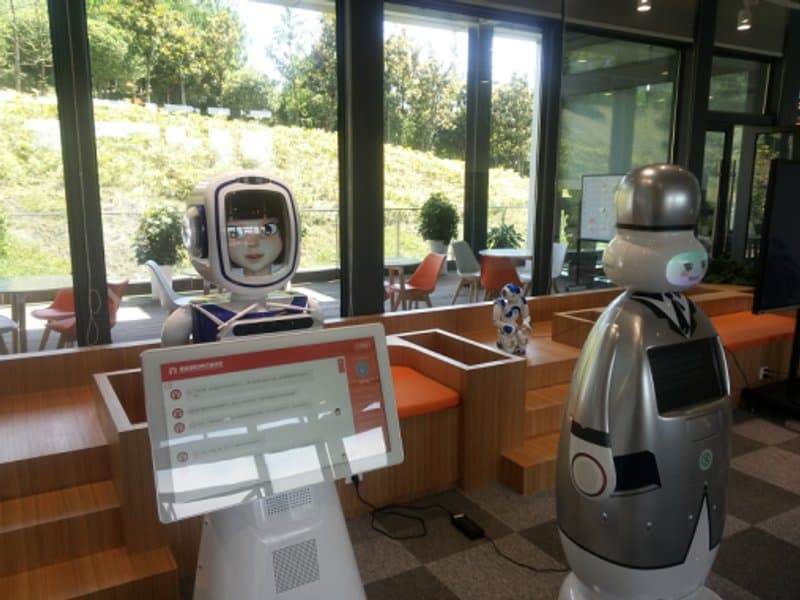
Museum guide robots provide autonomous, interactive tours through exhibitions and galleries. These robots navigate between exhibits, deliver scripted or AI-generated commentary, answer visitor questions, and can switch between multiple languages on demand — making them ideal for international tourist destinations.
Chinese museum guide robot manufacturers like Pangolin, OrionStar, and Reeman have deployed robots in hundreds of museums and cultural venues. China's massive museum expansion (over 6,000 museums and growing) has created a large domestic market that drives innovation and competitive pricing.
Museum guide robots cost $8,000–$40,000 depending on features. Basic models with pre-programmed tours and simple navigation start at $8,000. Premium models with AI conversation, facial recognition, real-time language translation, and humanoid design reach $30,000–$40,000. Most museums see visitor engagement increase by 30–50% with robot guides, making them both a practical tool and a marketing attraction.
Museum Guide Guide Robot Products
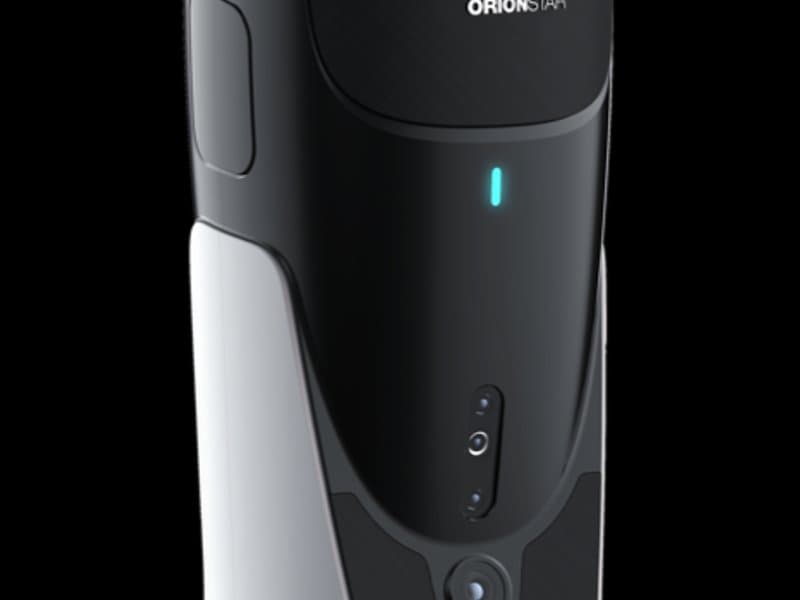
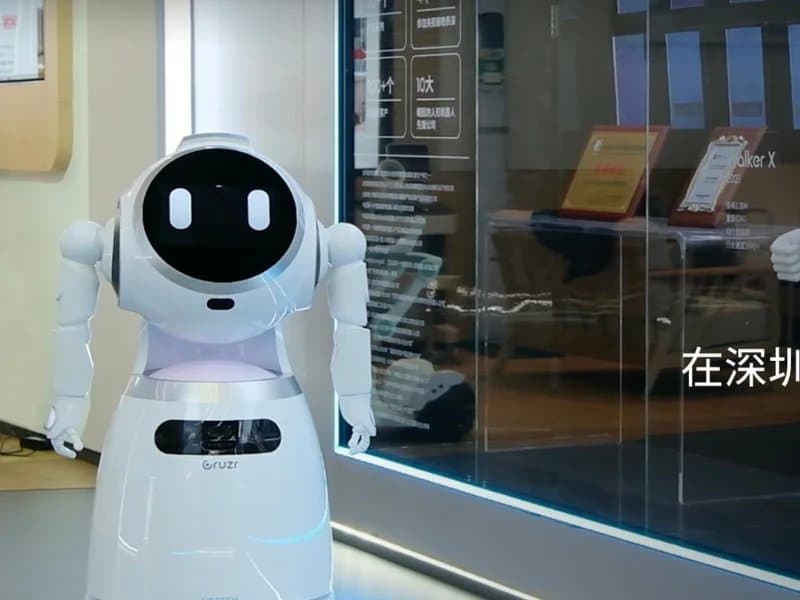

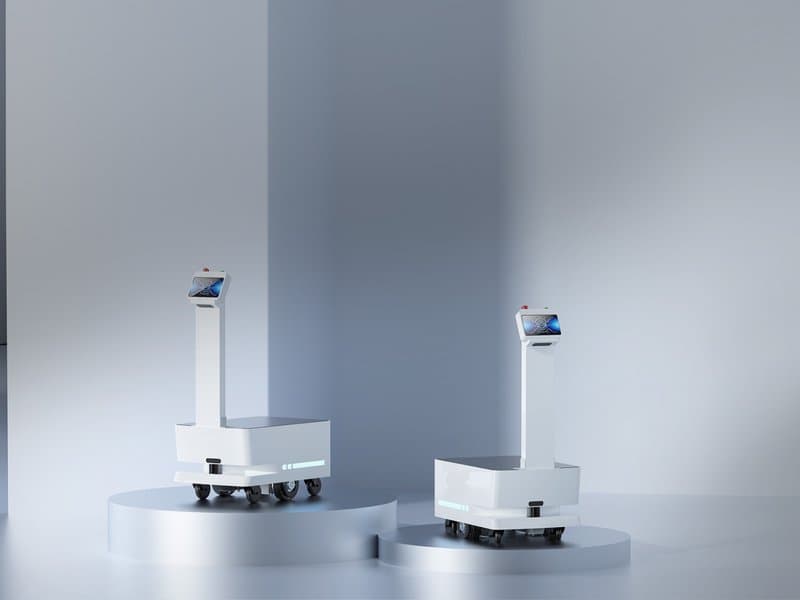
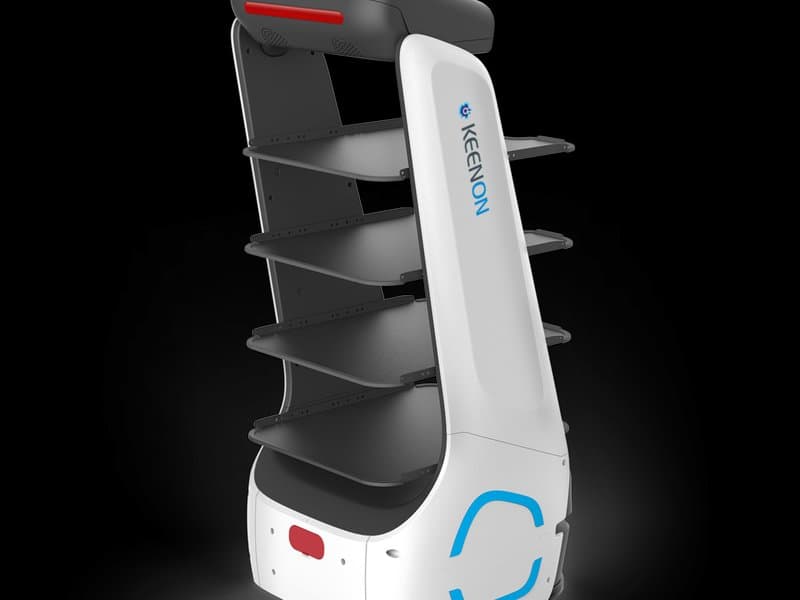
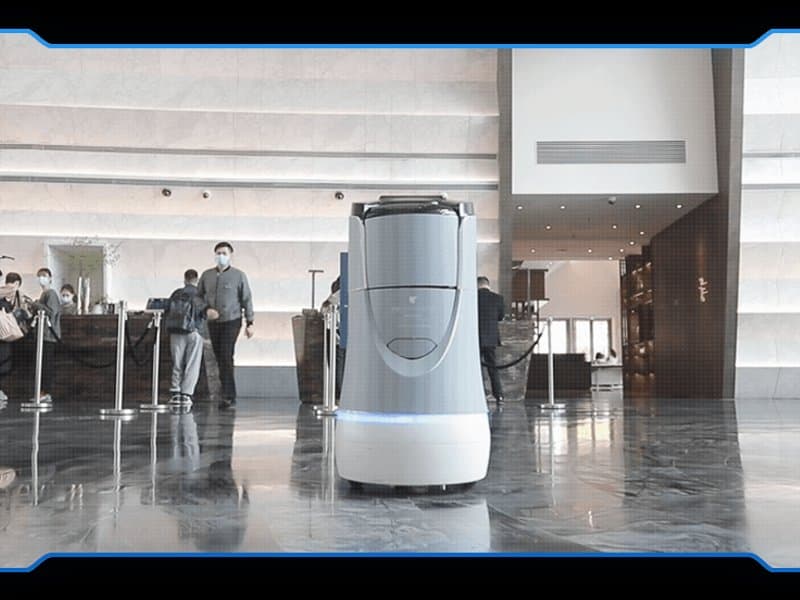
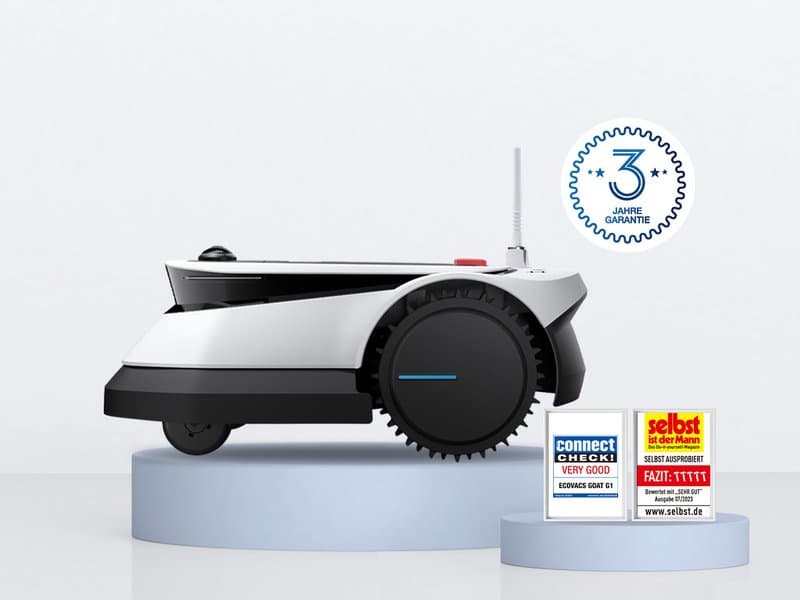
Ecovacs Commercial Guide G1
Ecovacs Commercial
$15,000 - $25,000
height: 140cmweight: 48kgbattery: 10 hours
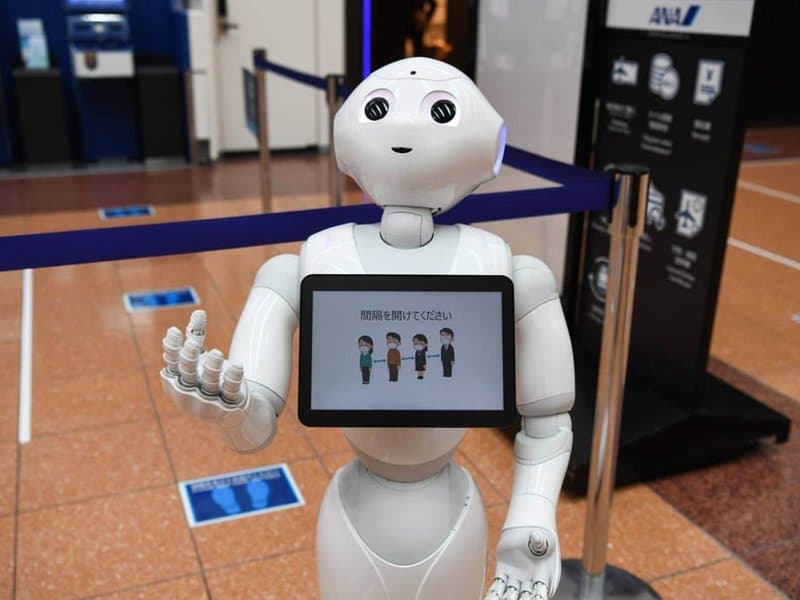
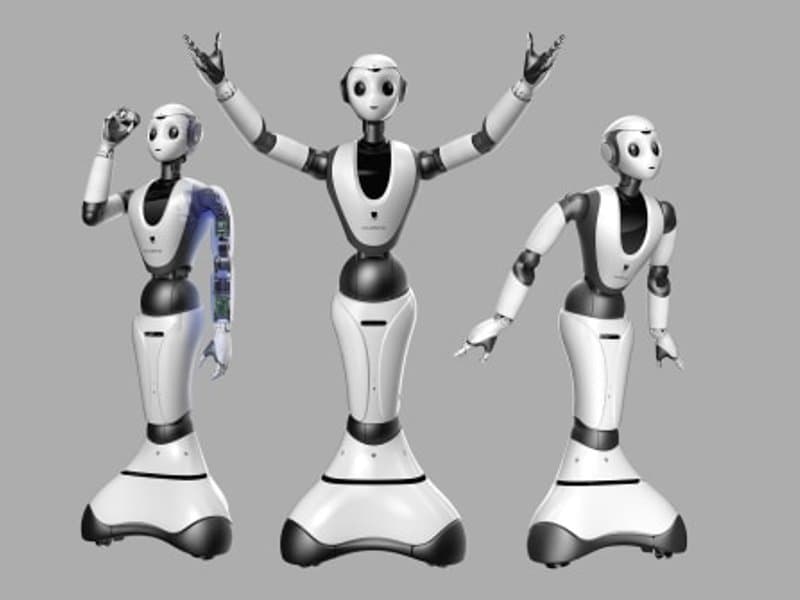
SoftBank Pepper Guide Edition
SoftBank Robotics
$25,000 - $40,000
height: 121cmweight: 28kgbattery: 12 hours
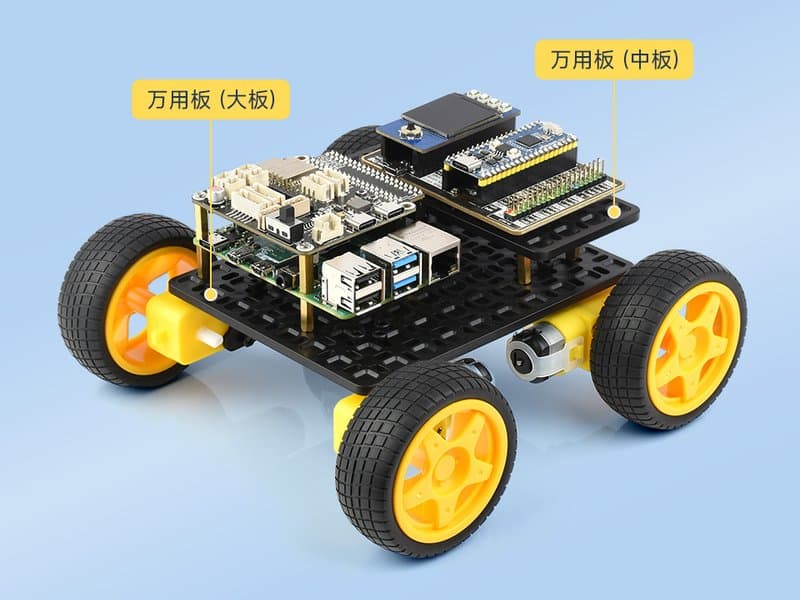
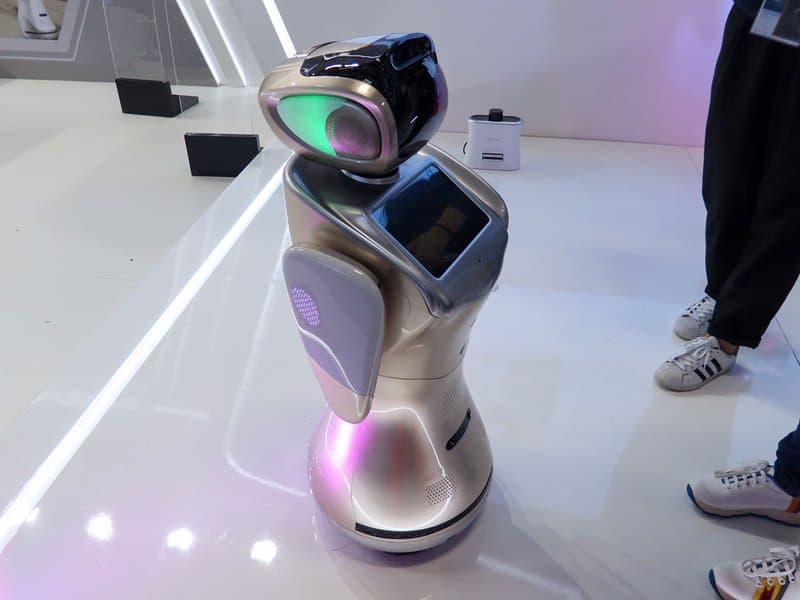
CloudMinds Ginger Guide
CloudMinds Technology
$20,000 - $35,000
height: 148cmweight: 55kgbattery: 8 hours
SLAMTEC Guide Platform
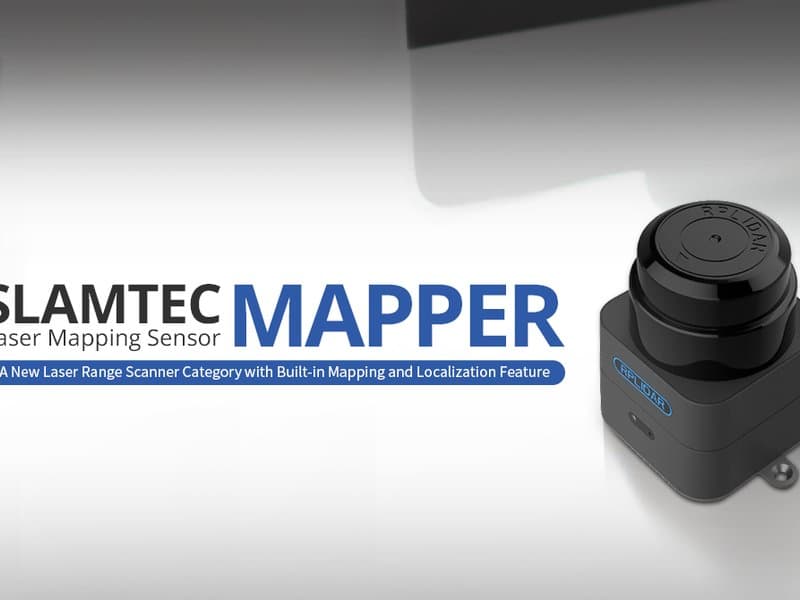
SLAMTEC
$5,000 - $10,000
height: 110cm (configurable)weight: 30kgbattery: 12 hours
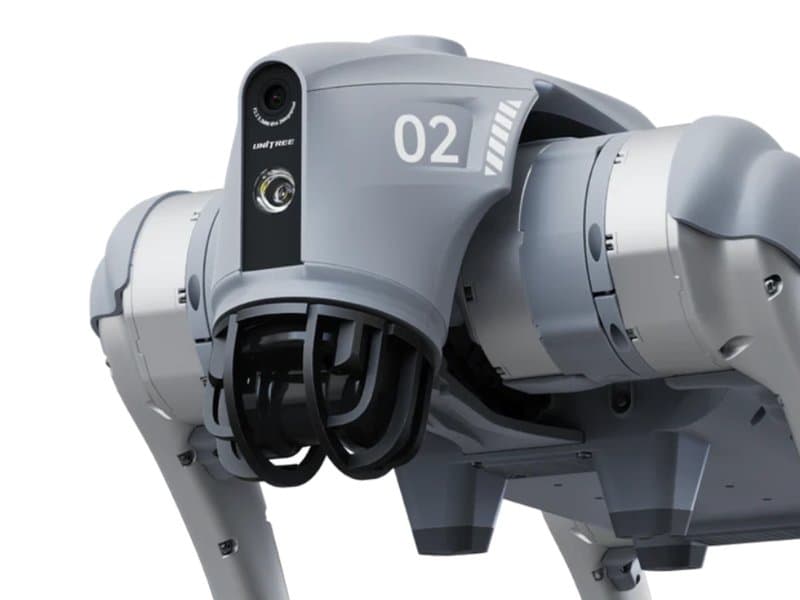
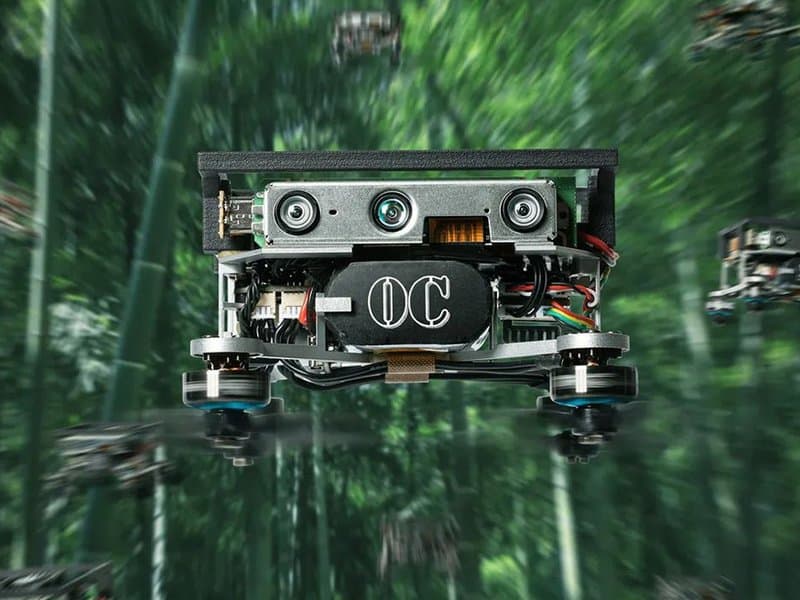
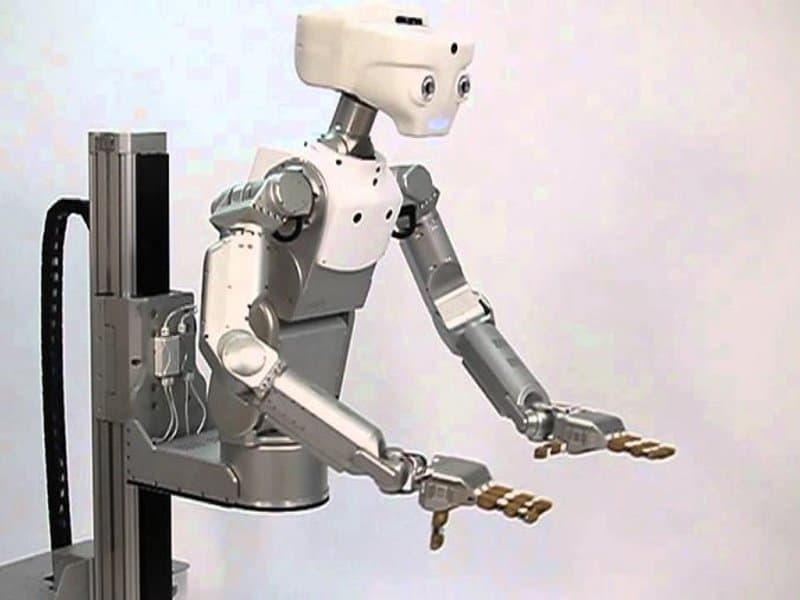
Zhejiang Lab Guide Z1
Zhejiang Lab Robotics
$20,000 - $35,000
height: 155cmweight: 58kgbattery: 8 hours
Frequently Asked Questions
What are guide robots and how do they work?
Guide robots are autonomous service robots designed to lead visitors through museums, shopping malls, exhibitions, and cultural venues while providing interactive information and navigation assistance. They use LiDAR SLAM, depth cameras, and AI algorithms to navigate indoor spaces autonomously, avoiding obstacles and following pre-programmed tour routes. Equipped with touchscreens, speakers, and conversational AI, guide robots deliver exhibit explanations, wayfinding directions, and interactive Q&A in multiple languages. Modern guide robots can detect visitor proximity to trigger exhibit-specific content, coordinate multi-robot fleet tours, and integrate with elevator systems for multi-floor operation.
How much do guide robots cost?
Guide robots range from $5,000 to $60,000 depending on capabilities and manufacturer. Budget models from SLAMTEC and Muniu cost $5,000-$12,000 and offer basic navigation with touchscreen displays. Mid-range models from Keenon, Yunji, and Reeman at $10,000-$18,000 add elevator integration, multilingual voice AI, and fleet management. Premium humanoid guide robots from UBTECH, Ecovacs Commercial, and iFLYTEK cost $15,000-$25,000 and feature advanced AI interaction, large displays, and specialized capabilities. Enterprise solutions from CloudMinds and Zhejiang Lab range from $20,000-$60,000+ with 5G cloud AI, holographic displays, and teleoperation. Most Chinese manufacturers offer leasing options from $300-$800 per month.
Which Chinese manufacturers make guide robots?
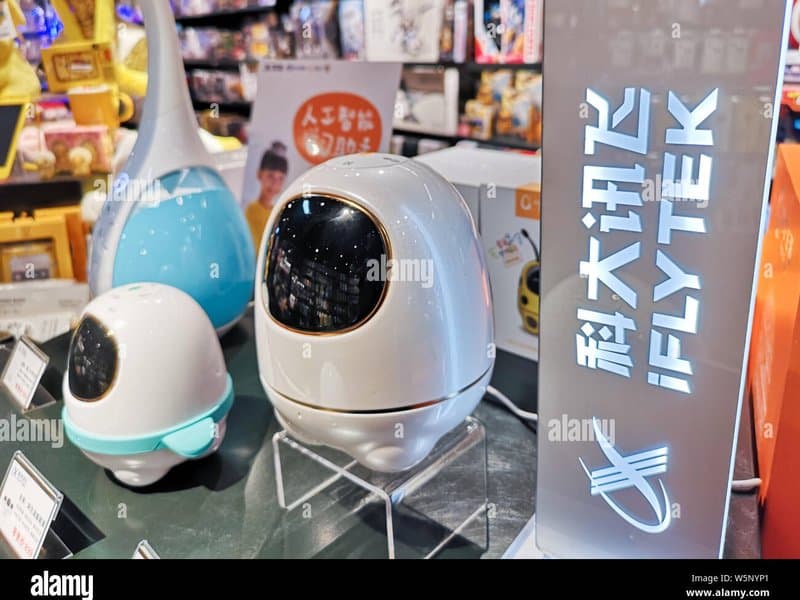
China dominates the guide robot market with numerous established manufacturers. OrionStar (猎户星空) leads in museum deployments with AI-powered voice interaction. UBTECH (优必选) offers premium humanoid guide robots with expressive gestures. Pangolin Robot (穿山甲) specializes in large-screen interactive guide and reception robots. Keenon (擎朗) brings proven indoor navigation technology from the delivery robot space. Reeman (锐曼) provides affordable multilingual guide robots. iFLYTEK (科大讯飞) delivers the best speech recognition and multilingual capabilities. CloudMinds (达闼) pioneers 5G cloud-powered guide robots. XiaoBen (小笨) focuses specifically on museum guide solutions. Qihan (旗瀚) makes compact, affordable guide robots ideal for smaller venues.
What key features should I look for in a guide robot?
The most important guide robot features depend on your venue type and visitor needs. Navigation quality is fundamental — look for LiDAR SLAM with obstacle avoidance and centimeter-level positioning accuracy. Voice interaction should include natural language processing with noise cancellation for crowded environments. Screen size matters: 10.1-inch screens suit mobile guide robots, while 15.6-inch or larger displays are better for information kiosks. Multilingual support is essential for tourist venues — top models support 20-60 languages with real-time translation. Battery life of 10+ hours ensures all-day operation. For multi-floor venues, elevator integration is critical. Content management systems should allow non-technical staff to update tour scripts and information. Fleet management enables coordinated multi-robot tours for larger venues.
What is the ROI of deploying guide robots in museums and shopping malls?
Museums and shopping malls typically achieve ROI on guide robots within 10-18 months. In museums, a single guide robot handling 50-100 tours per day supplements 2-3 human docents, saving $30,000-$60,000 annually in staffing costs while providing consistent multilingual narration that human guides cannot match. Museums report 20-30% increases in visitor satisfaction scores and 15% longer average visit durations after deploying guide robots. In shopping malls, guide robots reduce information desk staffing by 30-40% while providing 24/7 navigation assistance — mall operators report 10-15% increases in store discovery rates as robots direct visitors to shops they might not have found otherwise. Additional value comes from visitor analytics data, social media engagement from robot interactions, and advertising revenue from sponsored navigation suggestions.
Can guide robots be customized for specific venues?
Yes, guide robots offer extensive customization options for different venue types. Content customization is the most common — venues upload exhibit descriptions, store directories, event schedules, and promotional content through cloud-based CMS platforms without needing technical expertise. Appearance customization includes branded exterior panels, custom colors, and venue-specific decals that match architectural aesthetics. Voice customization allows venues to configure the robot's persona, speaking style, and even clone specific voices for narration. Tour route customization enables curators and mall managers to design specific paths with timed stops and triggered content. Language packs can be added or removed based on visitor demographics. Enterprise customers like CloudMinds and UBTECH offer full SDK access for deep functional customization, including integration with ticketing systems, CRM platforms, and smart building management systems.
Do guide robots support multiple languages for international visitors?
Yes, multilingual support is a core feature of modern guide robots. Most models support 10-20 languages out of the box, with premium models from iFLYTEK supporting 60+ languages including real-time simultaneous interpretation. Language capabilities include voice narration (text-to-speech), speech recognition for visitor questions, touchscreen UI translation, and real-time translation between visitor and staff languages. iFLYTEK's guide robots offer the industry's best speech recognition accuracy with dialect support, while SoftBank Pepper supports 20+ languages with local dialect variants. Chinese manufacturers like Reeman and OrionStar provide strong coverage of Asian languages (Chinese, Japanese, Korean, Thai, Vietnamese) alongside major European languages. For tourist destinations, multilingual guide robots eliminate the need for hiring guides fluent in multiple languages, with a single robot replacing 3-4 language-specific human guides.
How much does a basic museum guide robot cost?
A basic museum guide robot with LiDAR navigation, touchscreen display, and pre-recorded tour narration costs $5,000-$12,000 from Chinese manufacturers like SLAMTEC, Qihan, and Muniu. These models handle single-floor tours with basic obstacle avoidance and multilingual text support. For AI voice interaction and elevator integration, expect to spend $12,000-$18,000 for mid-range models from Keenon or Yunji.
What is the total cost of deploying guide robots in a museum?
Beyond the robot purchase price, budget for elevator integration ($2,000-$5,000 per elevator), venue mapping and setup ($500-$2,000 typically included by manufacturer), network infrastructure if needed ($1,000-$3,000), and annual maintenance ($500-$1,500 per robot). A typical mid-size museum deploying 3-5 guide robots should budget $50,000-$120,000 for a complete turnkey deployment including building integration and content setup.
Can I lease guide robots instead of purchasing?
Yes, most manufacturers offer leasing programs from $300-$800 per month depending on the model and contract length (typically 12-36 months). Leasing usually includes maintenance, software updates, and technical support. This is popular with venues wanting to evaluate visitor response before committing to a full purchase, and for temporary exhibitions that only need guide robots for limited periods. Some manufacturers also offer revenue-sharing models where the robot cost is offset by advertising displayed on the screen.
How do guide robots handle crowded museum and mall environments?
Modern guide robots use 3D LiDAR and depth cameras to detect and avoid obstacles in real time, including pedestrians, strollers, and temporary displays. The Keenon Guide T5 achieves 99.5% obstacle avoidance accuracy in crowded environments. Robots automatically slow down in high-traffic areas and can reroute around temporary blockages. For very crowded peak hours, some venues program robots to operate in stationary kiosk mode rather than mobile guide mode.
Can guide robots replace human tour guides entirely?
Guide robots are best deployed as supplements to human guides rather than full replacements. Robots excel at repetitive standard tours, multilingual narration, wayfinding, and after-hours operation when human staff is unavailable. However, human guides remain superior for handling complex questions, reading group dynamics, and providing personalized storytelling. The most effective deployments use robots for general visitor guidance and basic tours, freeing human guides to focus on premium VIP experiences and specialized educational programs.
Explore More
Get a Free Quote
Fill out the form below and we'll connect you with verified manufacturers within 24 hours.