Hotel Delivery Robot — Solutions & Suppliers from China
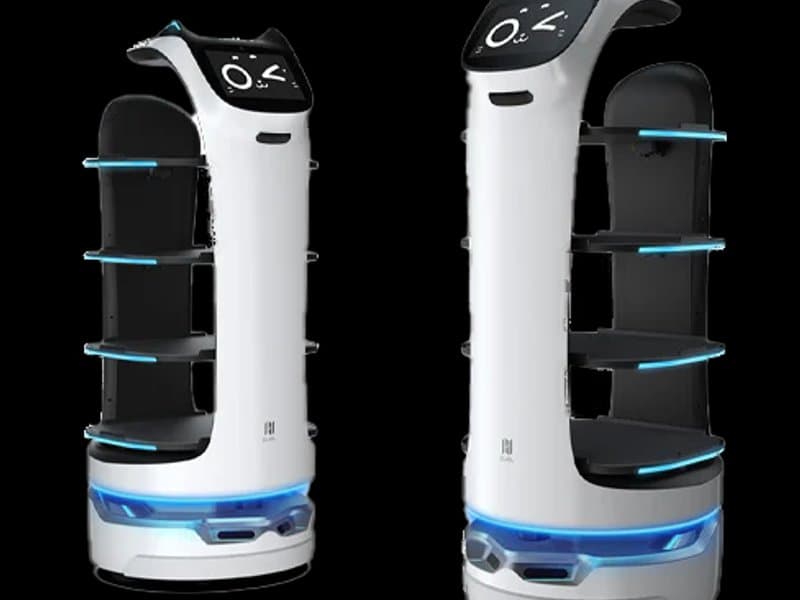
Hotel delivery robots are transforming guest experience by providing 24/7 autonomous room service and amenity delivery. These robots can navigate elevators, hallways, and deliver items directly to guest rooms.
Leading Chinese hotel robot manufacturers include Keenon, OrionStar, and Yunji Technology. Their robots feature elevator integration, multi-compartment delivery boxes, and can handle tasks from food delivery to toiletry replenishment.
Hotel chains worldwide are adopting these robots to reduce labor costs and improve guest satisfaction. A hotel delivery robot typically costs $10,000-$20,000, with many manufacturers offering pilot programs to test before full deployment.
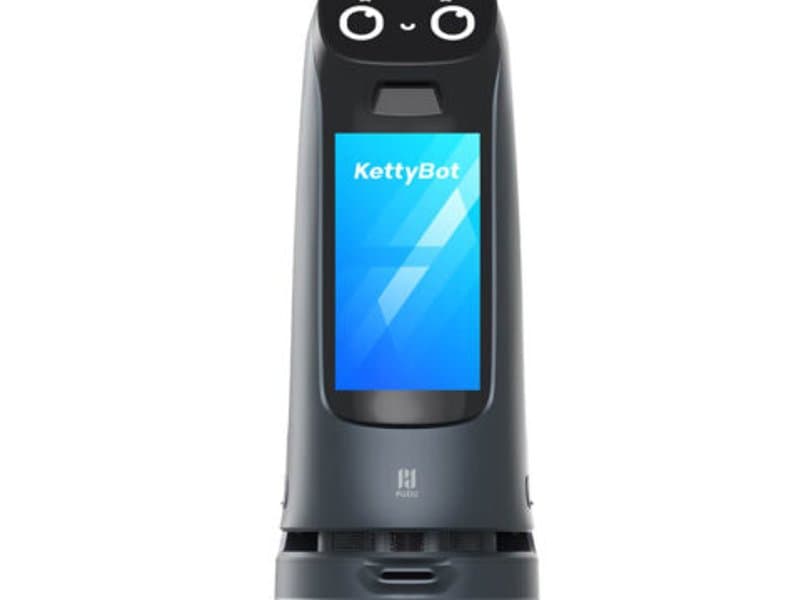
Restaurant delivery robots cost between $8,000 and $20,000 per unit from Chinese manufacturers like Pudu Robotics, Keenon, and OrionStar. The Pudu BellaBot, one of the most popular models, ranges from $10,000-$15,000. Entry-level models like the Pudu KettyBot start around $8,000, while premium models with larger capacity and advanced navigation reach $20,000+. Leasing options are available from $300-$600 per month, making adoption accessible for small restaurants. Most restaurant robots pay for themselves within 6-12 months through labor savings and increased operational efficiency.
What are the best hotel delivery robots?
The best hotel delivery robots include the Keenon W3 ($12,000-$18,000), Pudu SwiftBot ($10,000-$15,000), and OrionStar Lucki ($8,000-$14,000). These robots autonomously deliver room service items, amenities, and packages to guest rooms via elevator integration. Key features include secure compartments, guest notification via phone call or app, and multilingual voice interaction. Chinese manufacturers dominate this market, with Keenon and Pudu deployed in over 10,000 hotels worldwide including Marriott, Hilton, and Alibaba's FlyZoo Hotel. Hotel robots typically handle 100-150 deliveries per day and reduce delivery staff requirements by 30-50%.
What is the ROI of a delivery robot for restaurants?
Restaurant delivery robots deliver ROI within 6-18 months based on typical deployments. A single robot costing $12,000 replaces approximately 1-1.5 full-time servers for food running tasks, saving $25,000-$40,000 annually in labor costs. Additional benefits include 15-25% faster table turnover rates, reduced food spillage, and novelty appeal that increases customer engagement and social media exposure. Operating costs are minimal — approximately $1-2 per day in electricity. For high-volume restaurants serving 200+ covers daily, the payback period can be as short as 4-6 months. Multi-unit restaurant chains see even stronger returns through bulk purchasing discounts.
How do delivery robots navigate indoors?
Indoor delivery robots use a combination of LiDAR (Light Detection and Ranging), depth cameras, ultrasonic sensors, and SLAM (Simultaneous Localization and Mapping) technology to navigate autonomously. During initial setup, the robot scans the environment to create a detailed 2D or 3D map. It then uses real-time sensor data to localize itself, plan optimal routes, and avoid dynamic obstacles like people and furniture. Advanced models from Pudu and Keenon incorporate multi-sensor fusion, enabling navigation accuracy within 2-5 cm. Elevator integration uses IoT protocols to enable multi-floor operation in hotels and office buildings.
Who are the leading delivery robot manufacturers in China?
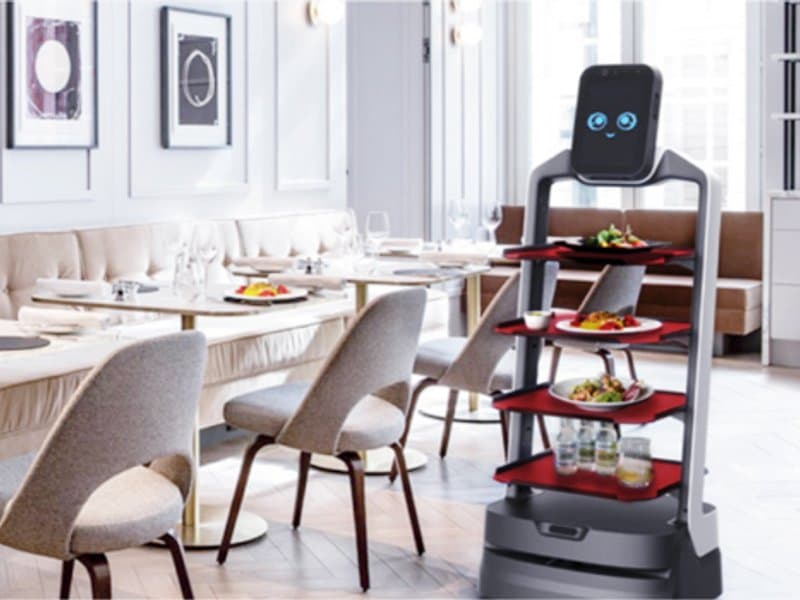
China's top delivery robot manufacturers include Pudu Robotics, Keenon Robotics, OrionStar, and Segway Robotics. Pudu Robotics leads globally with models like BellaBot and KettyBot deployed in over 60 countries. Keenon Robotics specializes in hotel and restaurant robots with strong elevator integration capabilities. OrionStar, backed by Cheetah Mobile, offers competitively priced solutions for food service and retail. Segway Robotics leverages its parent company's mobility expertise for last-mile delivery. These manufacturers collectively ship over 100,000 units annually, with prices 40-60% below comparable Western and Japanese alternatives.
How difficult is it to install a restaurant delivery robot?
Restaurant delivery robot installation is straightforward and typically completed within 2-4 hours. The process involves three main steps: mapping the restaurant layout by manually guiding the robot through the space, configuring delivery routes and stations (kitchen pickup points, table locations), and testing navigation performance. No infrastructure modifications are required — robots work on existing flat floors. Most Chinese manufacturers like Pudu and Keenon provide remote setup assistance via video call. Staff training takes approximately 1-2 hours. Ongoing route adjustments for furniture rearrangement can be done in minutes through the robot's tablet interface or companion app.
What maintenance do delivery robots need?
Delivery robots require minimal maintenance. Daily tasks include wiping down trays and exterior surfaces and charging overnight (4-6 hours for full charge). Weekly maintenance involves cleaning LiDAR sensors and camera lenses, checking wheel condition, and verifying software updates. Monthly tasks include inspecting battery health and recalibrating navigation maps if the layout has changed. Annual maintenance costs run approximately $500-$1,000 — significantly less than equipment maintenance for traditional food service operations. Most Chinese manufacturers offer 1-2 year warranties with optional extended service plans covering parts and remote technical support.
How much does a restaurant delivery robot cost?
Restaurant delivery robots from Chinese manufacturers typically cost $8,000-$15,000. The Pudu BellaBot and Keenon T8 are the most popular choices, offering multi-tray delivery, obstacle avoidance, and interactive features. Leasing options start from $300/month.
What is the ROI on a delivery robot for a restaurant?
Most restaurants see ROI within 6-12 months. A delivery robot can replace or supplement 1-2 staff members, saving $2,000-$4,000/month in labor costs. They also increase customer engagement and can boost tips and repeat visits.
Can I lease a delivery robot instead of buying?
Yes, most Chinese delivery robot manufacturers offer leasing programs. Monthly leasing costs typically range from $300-$800/month depending on the model, with contracts of 12-36 months. This is a popular option for restaurants wanting to test before committing.
How much does a hotel delivery robot cost?
Hotel delivery robots with elevator integration and enclosed compartments typically cost $12,000-$25,000. Models like the Keenon W3 and Yunji hotel robots are designed specifically for hotel environments with multi-floor navigation and integration with hotel management systems.
Which delivery robot is best for a small restaurant?
For small restaurants with limited budgets, the OrionStar Lucki offers the best value at $8,000-$12,000. If budget allows, the Pudu BellaBot ($10,000-$14,000) is the safer choice with a larger support network and proven reliability in thousands of restaurants worldwide.
Can delivery robots work in busy restaurant environments?
Yes. Modern delivery robots from Pudu and Keenon use advanced obstacle avoidance with multiple sensors to navigate safely around customers and staff. They are designed for crowded environments and can handle peak dining hours. Most restaurants report that robots improve flow rather than causing disruption.
Which delivery robot is easiest to set up?
The Pudu BellaBot is considered the easiest to set up, requiring only 2-4 hours for initial mapping and configuration. Keenon robots may take longer in multi-floor environments due to elevator integration. All major brands offer installation support and training.
Do delivery robots actually save money?
Yes. Industry data shows that a delivery robot can handle the workload of 1.5-2 servers for food delivery tasks. At $10,000-$15,000 with a 3-5 year lifespan, the monthly cost ($200-$400) is far less than a part-time employee. Most restaurants report ROI within 6-12 months.