Canteen Automation Cooking Robot — Solutions & Suppliers from China
Canteen cooking robots serve the high-volume, standardized meal production needs of corporate cafeterias, school lunch programs, military mess halls, and hospital kitchens. These systems can prepare thousands of meals per day with consistent quality and precise nutritional control.
Chinese canteen robot manufacturers excel in this segment due to China's massive institutional food service market — millions of corporate and school canteens serve billions of meals annually. Companies like Qianxi, Changsha Zhiwei, and Shanghai Tianwei offer complete canteen automation solutions including automated cooking lines, rice cookers, soup makers, and dish dispensing systems.
Canteen automation systems range from $20,000 for individual cooking stations to $150,000+ for complete kitchen-line installations serving 1,000+ meals per shift. The ROI is particularly strong for canteens — labor savings of 60–80% combined with reduced food waste (10–15% less) and consistent portion control deliver payback within 12–18 months.
Canteen Automation Cooking Robot Products
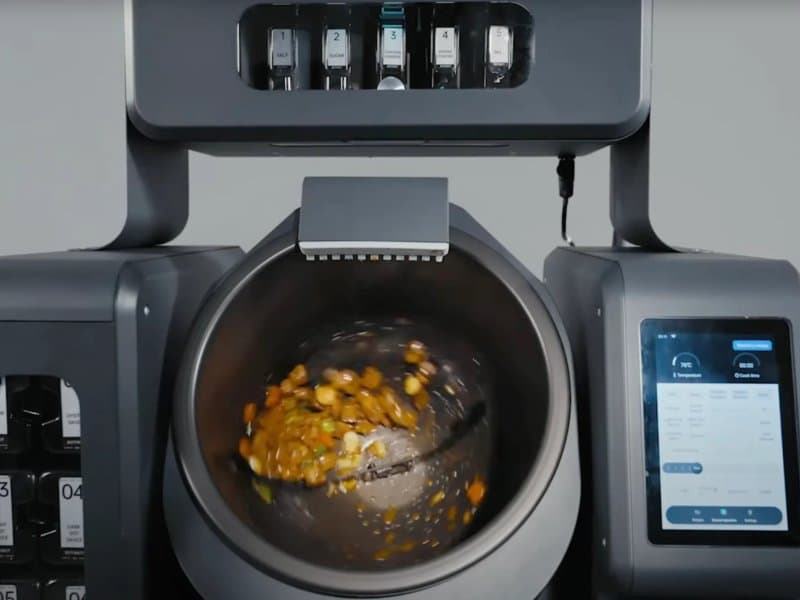
Qianxi Wok Master Pro
Qianxi Robot Group
$25,000 - $45,000
cooking_capacity: 80 dishes/hourpower: 15kWdimensions: 1200 x 800 x 1500mm
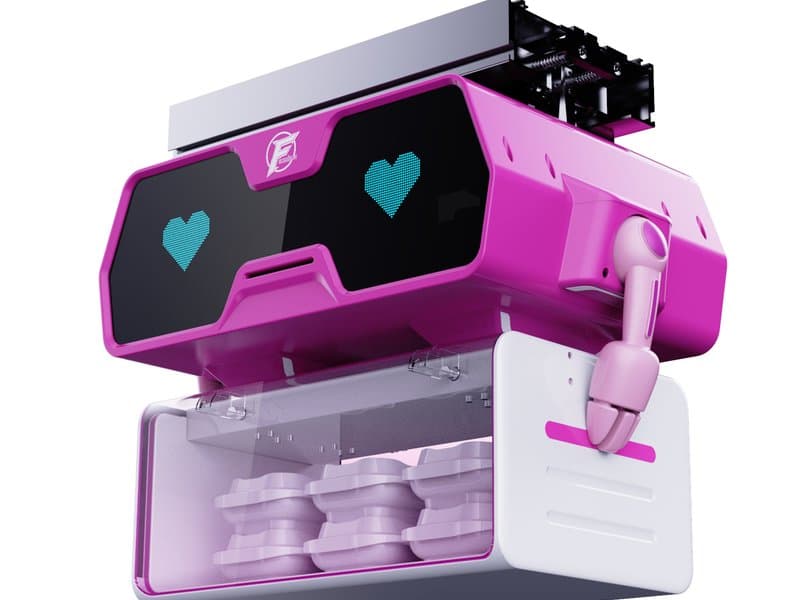
Qianxi Noodle Robot
Qianxi Robot Group
$18,000 - $30,000
cooking_capacity: 120 bowls/hourpower: 8kWdimensions: 1000 x 700 x 1400mm
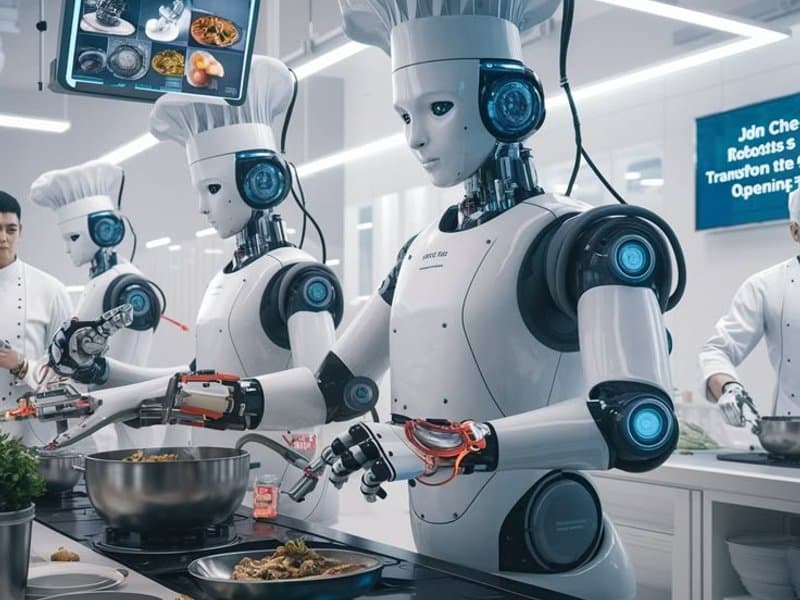
Yushanfang Smart Chef 8
Yushanfang
$12,000 - $22,000
cooking_capacity: 60 dishes/hourpower: 12kWdimensions: 1100 x 750 x 1350mm
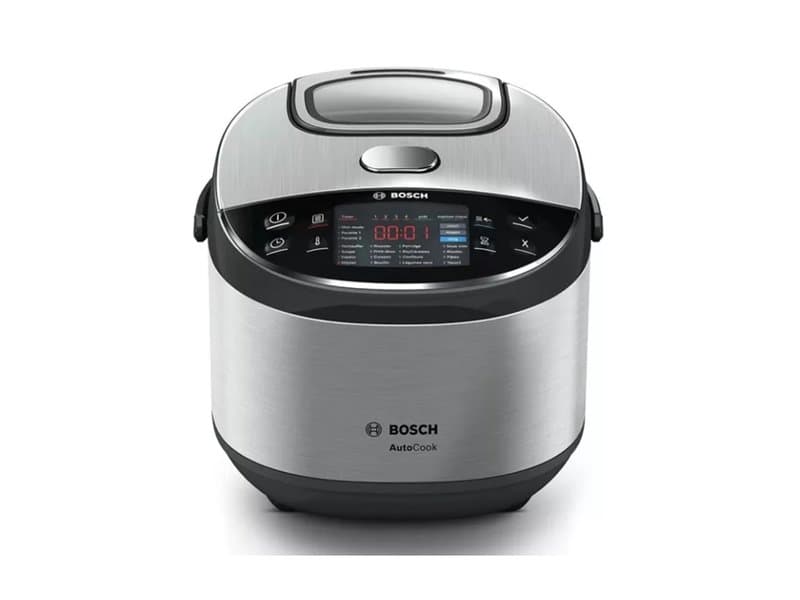
Fanxing AutoCook X1
Fanxing Tech
$15,000 - $28,000
cooking_capacity: 70 dishes/hourpower: 13kWdimensions: 1150 x 800 x 1400mm
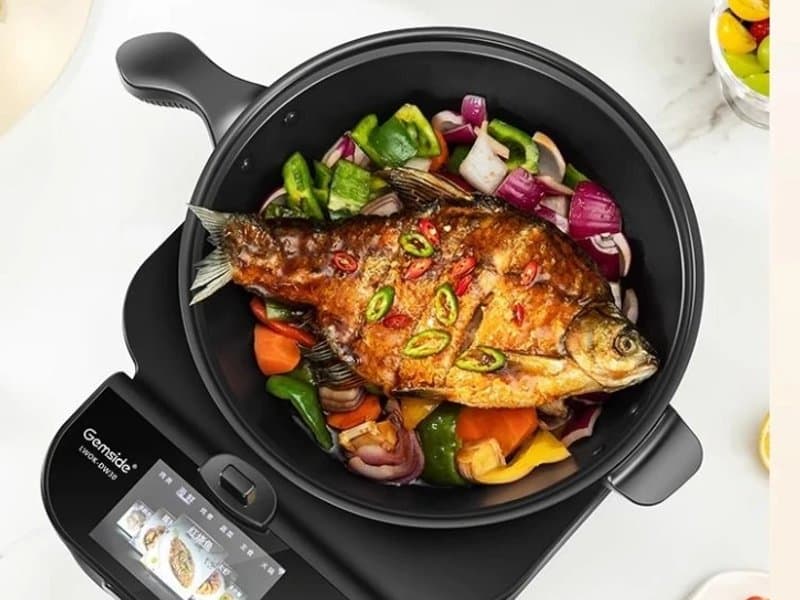
Jingzhe Intelligent Wok 3000
Shanghai Jingzhe
$10,000 - $18,000
cooking_capacity: 50 dishes/hourpower: 10kWdimensions: 1000 x 700 x 1300mm
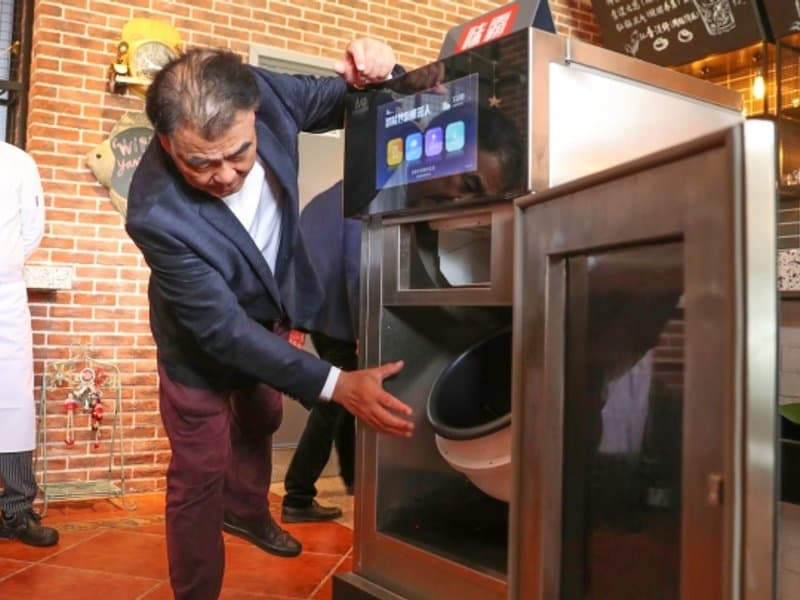
Zhiwei Claypot Chef
Changsha Zhiwei
$8,000 - $15,000
cooking_capacity: 40 pots/hourpower: 8kWdimensions: 900 x 650 x 1200mm

Lixin Dumpling Master D200
Shenzhen Lixin
$12,000 - $20,000
cooking_capacity: 3,000 dumplings/hourpower: 5kWdimensions: 1500 x 800 x 1200mm

Ruirun Baozi Maker RR-500
Guangzhou Ruirun
$8,000 - $14,000
cooking_capacity: 2,500 baozi/hourpower: 6kWdimensions: 1300 x 700 x 1100mm
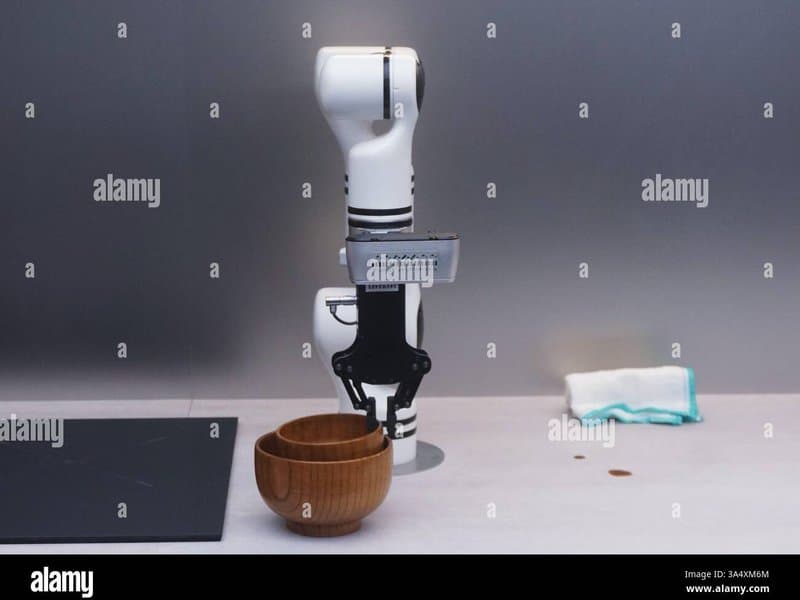
Tianwei Smart Rice Bowl Station
Shanghai Tianwei
$10,000 - $18,000
cooking_capacity: 100 bowls/hourpower: 10kWdimensions: 1200 x 800 x 1400mm
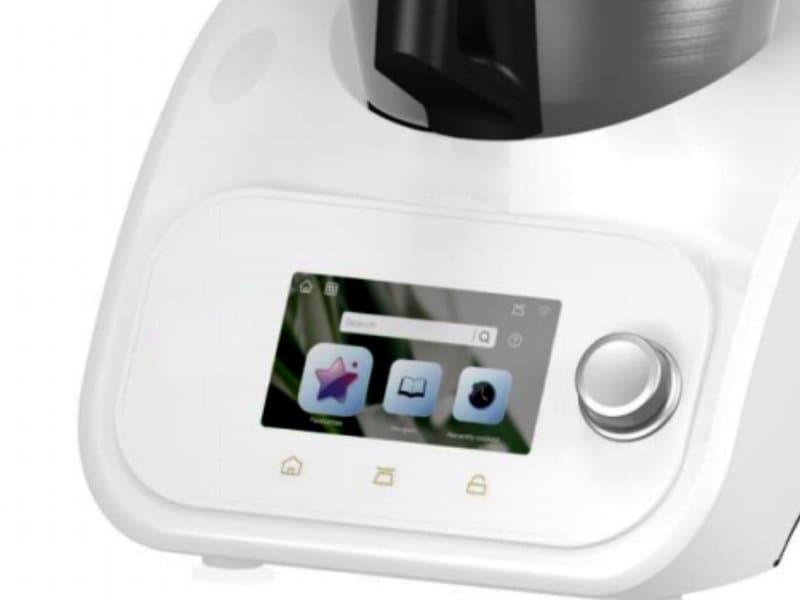
Fanxing Smart Soup Station
Fanxing Tech
$8,000 - $15,000
cooking_capacity: 200 bowls/hourpower: 8kWdimensions: 1000 x 600 x 1300mm
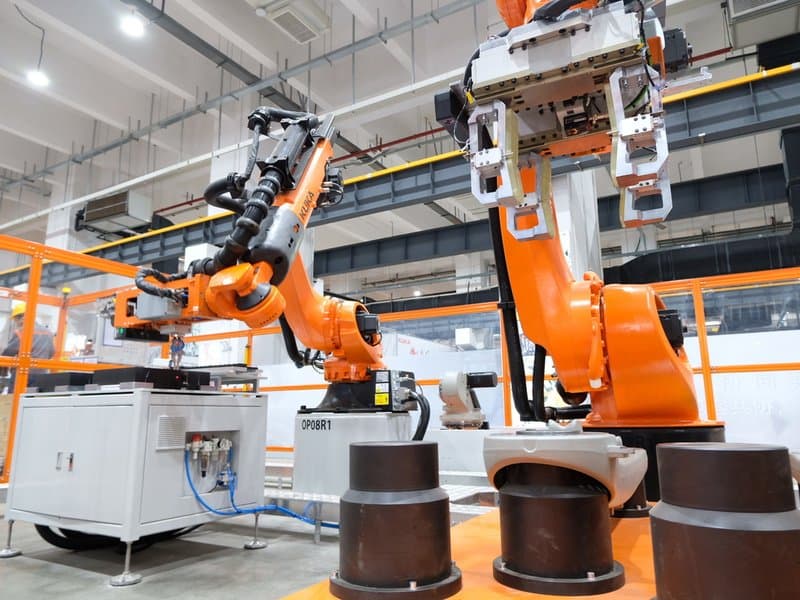
Kefanda Dim Sum Production Line
Foshan Kefanda
$35,000 - $55,000
cooking_capacity: 5,000 pieces/hourpower: 18kWdimensions: 3000 x 1200 x 1500mm
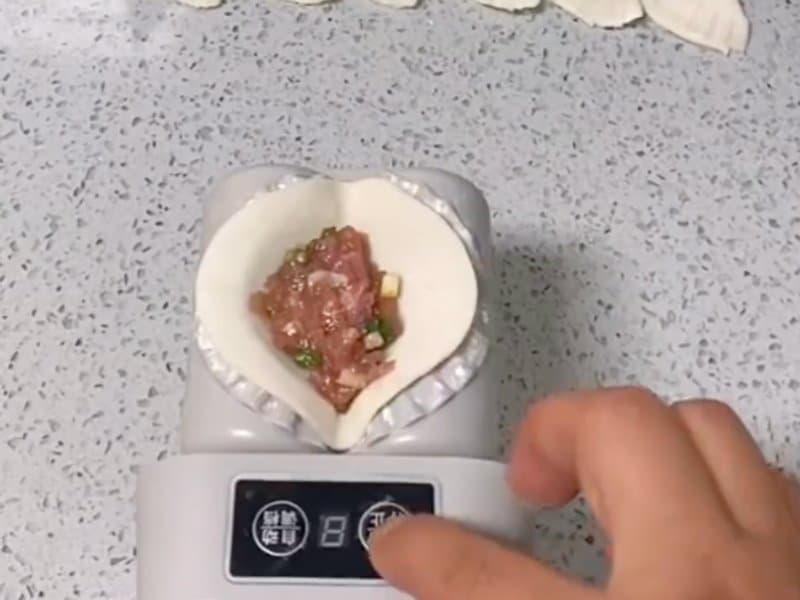
Dalong Wonton & Dumpling Combo
Dalong
$10,000 - $18,000
cooking_capacity: 2,000 pieces/hourpower: 6kWdimensions: 1400 x 800 x 1200mm
Frequently Asked Questions
What types of cooking robots are available?
Cooking robots fall into several categories based on their function. Wok cooking robots (like Qianxi Wok Master and Yushanfang Smart Chef) automate Chinese stir-fry with AI-controlled temperature and seasoning, costing $10,000-$45,000. Food forming robots handle dumplings, baozi, and dim sum production at $8,000-$55,000. Specialty station robots automate specific tasks like noodle cooking, pizza assembly, or grilling. Full robotic kitchen systems (like Moley Robotic Kitchen) with articulated arms that replicate human chef movements represent the premium tier at $80,000-$150,000. Most restaurants start with a single-function robot for their highest-volume dish and expand from there.
How much does a cooking robot cost?
Cooking robot prices range from $5,000 to $150,000 depending on complexity and capability. Budget single-function robots like claypot cookers and baozi makers cost $5,000-$15,000. Mid-range multi-function wok robots and specialty stations run $15,000-$40,000. Premium full kitchen stations with multiple cooking modes cost $40,000-$80,000. Enterprise-grade complete robotic kitchen systems like the Moley Robotic Kitchen exceed $80,000-$150,000. Chinese manufacturers dominate the budget and mid-range segments, offering prices 40-60% below Western alternatives. Leasing options from $300-$1,200 per month are available from most major Chinese manufacturers.
Which Chinese manufacturers lead the cooking robot market?
China is the world's largest cooking robot market, led by several key manufacturers. Qianxi Robot Group (碧桂园千玺) is the largest, operating the Foodom robotic restaurant chain with 20+ robot types. Fanxing Tech (繁兴科技) and Yushanfang (御膳坊) produce popular wok cooking robots for restaurants and canteens. Shenzhen Lixin (利鑫) and Guangzhou Ruirun (瑞润) dominate the dumpling and baozi forming machine segment. Foshan Kefanda (科凡达) specializes in hotpot and dim sum automation. Shanghai Jingzhe (惊蛰) offers affordable entry-level wok robots. These manufacturers benefit from China's massive food service market and supply chain advantages, enabling competitive pricing.
What is the ROI of cooking robots for restaurants?
Restaurants typically achieve ROI on cooking robots within 6-18 months depending on the robot type and labor market. A wok cooking robot handling 60-80 dishes per hour can replace 1-2 wok chefs, saving $25,000-$50,000 annually in skilled labor costs — significant given the ongoing chef shortage in China and globally. A dumpling forming machine producing 3,000 pieces per hour replaces 5-8 manual workers. Beyond labor savings, cooking robots deliver consistent food quality (reducing waste by 10-20%), operate extended hours without fatigue, and lower training costs since new recipes are programmed rather than taught. Operating costs are minimal at $3-8 per day in electricity and $1,000-$2,000 annually in maintenance.
How do cooking robots ensure food safety and hygiene?
Cooking robots address food safety through several mechanisms. All food-contact surfaces are constructed from food-grade stainless steel (304 or 316) and silicone, meeting FDA and China GB standards. Automated cooking ensures consistent temperatures that meet pasteurization and food safety requirements — the robot never serves undercooked food. Self-cleaning cycles between dishes use high-temperature steam or water jets to prevent cross-contamination. Enclosed cooking chambers reduce exposure to airborne contaminants. Digital logs record cooking temperatures, times, and cleaning cycles for food safety compliance auditing. The reduction of human handling also significantly reduces contamination risks from manual food preparation.
How flexible are cooking robots with menu changes?
Modern cooking robots offer surprisingly flexible menu management. Cloud-connected models like the Fanxing AutoCook X1 allow new recipes to be deployed across all locations simultaneously via over-the-air updates. Most wok cooking robots store 100-400+ recipes that can be adjusted for seasoning levels, portion sizes, and cooking intensity. Adding a completely new recipe typically takes 1-3 hours of programming and testing. Some premium systems like Moley use motion-capture technology to learn recipes from human chefs, while most Chinese wok robots use parameterized cooking profiles (temperature curves, seasoning timing, stir patterns) that can be fine-tuned through a touchscreen interface. Seasonal menu changes are common and easily accommodated.
What maintenance do cooking robots require?
Cooking robots require daily, weekly, and annual maintenance. Daily maintenance includes running the self-cleaning cycle (10-20 minutes), wiping external surfaces, and checking ingredient supply levels — typically 15-30 minutes of staff time. Weekly tasks include deep cleaning of removable components (woks, nozzles, forming molds), checking oil and seasoning dispensers, and inspecting seals and gaskets. Annual professional maintenance costs $1,000-$3,000 and covers motor inspection, bearing lubrication, software updates, and calibration of temperature sensors and dispensing systems. Most Chinese manufacturers offer maintenance contracts that include quarterly on-site visits. Common wear parts like silicone seals, dispensing nozzles, and non-stick wok coatings are typically replaced every 6-12 months at $200-$500 per replacement.
How much does a basic wok cooking robot cost?
A basic single-wok cooking robot costs $8,000-$18,000 from Chinese manufacturers like Shanghai Jingzhe and Yushanfang. These models handle stir-fry with 50-100 pre-programmed recipes, electromagnetic heating, and automatic seasoning dispensing. They are ideal for small restaurants wanting to reduce dependence on skilled wok chefs. Multi-wok premium models from Qianxi and Fanxing range from $25,000-$45,000.
What is the total cost of setting up a cooking robot in a restaurant?
Beyond the robot purchase price, budget for electrical upgrades if needed ($1,000-$3,000 for dedicated high-amperage circuits), ventilation modifications ($1,000-$5,000 unless the robot has integrated extraction), initial recipe programming and testing ($500-$2,000, often included by manufacturer), and staff training ($500-$1,000, typically included). A typical mid-size restaurant deploying one multi-function wok robot should budget $20,000-$35,000 for a complete turnkey setup including the robot, installation, and first-year maintenance.
Are cooking robots cheaper from Chinese manufacturers?
Yes, Chinese cooking robots are typically 40-60% cheaper than Western alternatives for comparable functionality. A Chinese wok robot from Yushanfang costs $12,000-$22,000, while Western robotic cooking systems with similar output start at $30,000-$50,000. Chinese manufacturers benefit from proximity to component suppliers, lower labor costs, intense domestic competition, and massive production volumes driven by China's food service market of over 9 million restaurants. Quality is competitive — Qianxi robots are deployed in major commercial operations nationwide.
Can cooking robots really match the quality of human chefs?
For standardized dishes with defined recipes, modern cooking robots achieve 95%+ consistency in taste, texture, and presentation — often exceeding the consistency of human cooks across multiple shifts. The Qianxi Wok Master Pro and Fanxing AutoCook X1 use AI-controlled temperature curves and precise seasoning dispensing to replicate recipes exactly. However, cooking robots excel at replication rather than creation — developing new recipes still requires human chef expertise, which is then programmed into the robot for consistent execution.
How long does it take to train staff on cooking robots?
Basic operation training takes 2-4 hours for most cooking robots, covering recipe selection, ingredient loading, and cleaning procedures. Staff do not need cooking skills — the robot handles all cooking decisions. Advanced training for recipe programming and troubleshooting takes an additional 1-2 days and is typically provided by the manufacturer during installation. Most Chinese manufacturers include on-site training as part of the purchase, with ongoing video support available through WeChat or dedicated apps.
Explore More
Get a Free Quote
Fill out the form below and we'll connect you with verified manufacturers within 24 hours.