Campus Delivery Autonomous Delivery Vehicle — Solutions & Suppliers from China
Campus delivery robots operate within controlled environments like university campuses, corporate parks, hospital complexes, and gated residential communities. These semi-public environments offer ideal conditions for autonomous delivery — moderate speeds, predictable pedestrian traffic, and well-mapped routes.
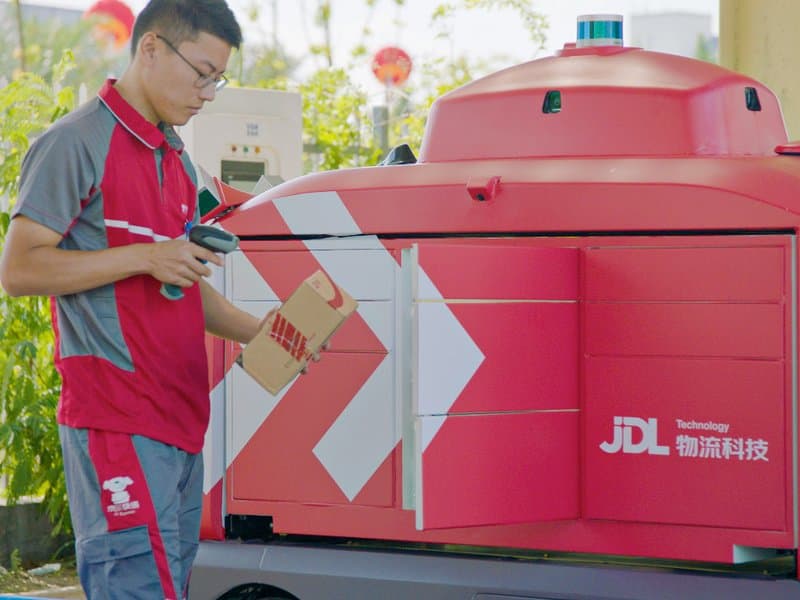
Chinese campus delivery is massive in scale — over 200 universities in China use autonomous delivery robots, with Alibaba's Xiaomanlu and JD Logistics leading deployments. These robots handle food delivery from campus restaurants, package delivery from logistics hubs, and convenience store orders.
Campus delivery robots cost $15,000–$50,000, making them the most affordable ADV category. Their controlled operating environment simplifies the autonomous driving challenge, enabling faster deployment and higher reliability. Most campus deployments achieve full ROI within 12–18 months, especially for food delivery during peak lunch hours when human couriers are overwhelmed.
Campus Delivery Autonomous Delivery Vehicle Products

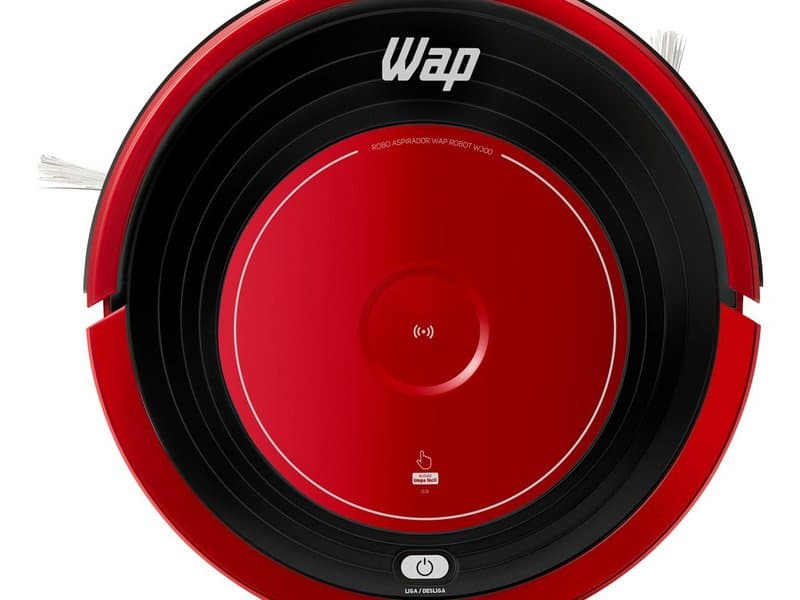
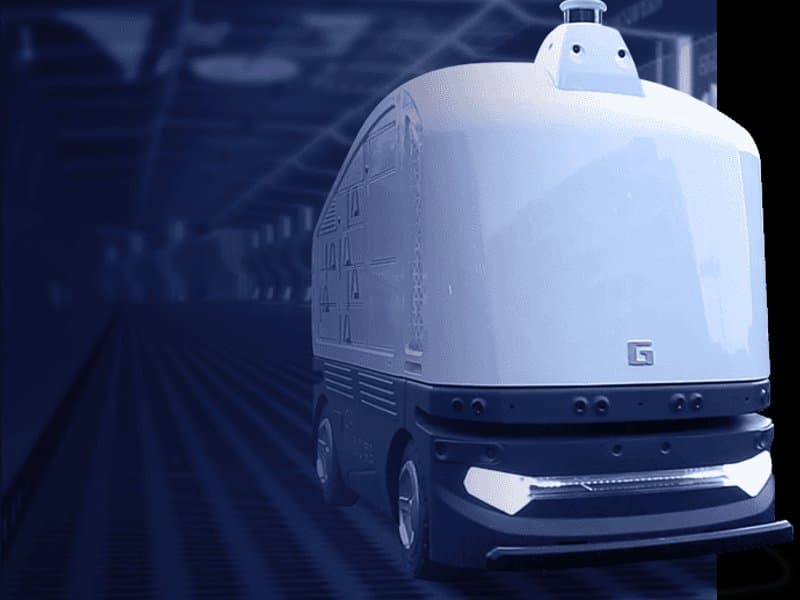
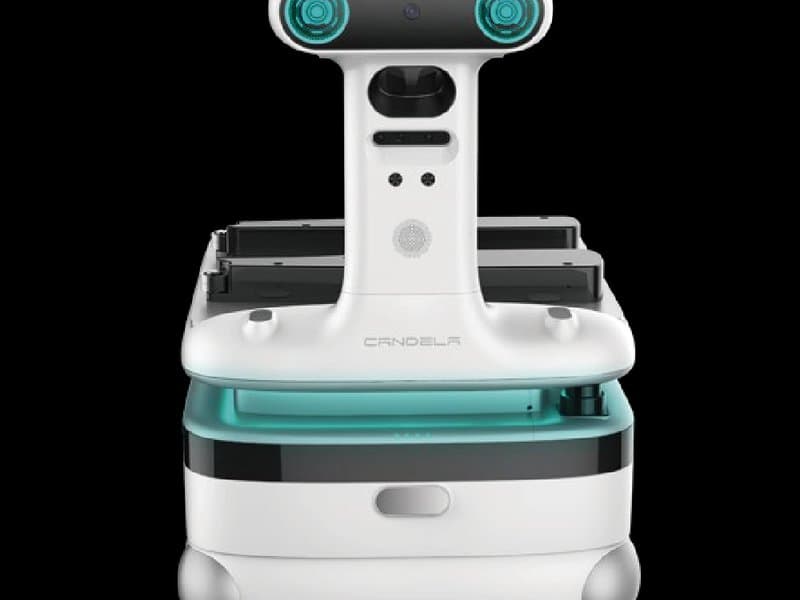
Xingshen Intelligence W300
Xingshen Intelligence
$40,000 - $60,000
payload: 200kgspeed: 25 km/hrange: 60 km
Frequently Asked Questions
What is the difference between an autonomous delivery vehicle and a delivery robot?
Autonomous delivery vehicles (ADVs) are road-going vehicles designed for outdoor last-mile logistics, typically operating at speeds of 20-60 km/h with payloads of 200-1500kg. Delivery robots, by contrast, are smaller indoor machines (like the Pudu BellaBot) designed for restaurant or hotel service at walking speed with payloads under 50kg. ADVs navigate public roads or campus roads using L4 autonomous driving with LiDAR, cameras, and radar, while indoor delivery robots use simpler SLAM navigation. ADVs from companies like Neolix, Nuro, and JD Logistics cost $15,000-$300,000, compared to $5,000-$20,000 for indoor delivery robots.
How much does an autonomous delivery vehicle cost?
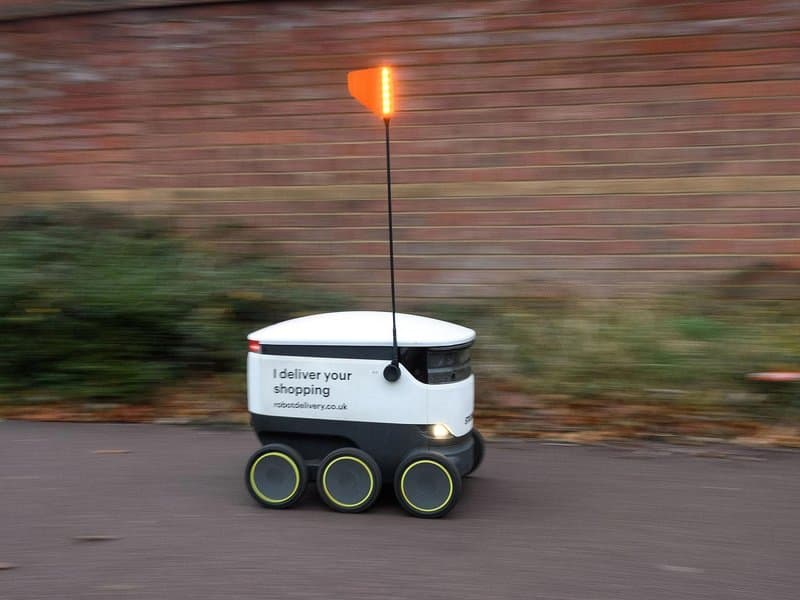
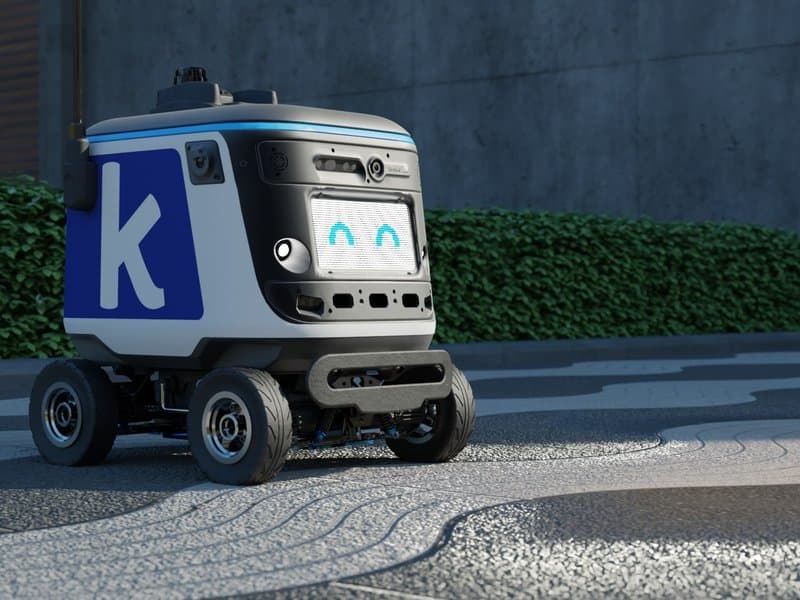
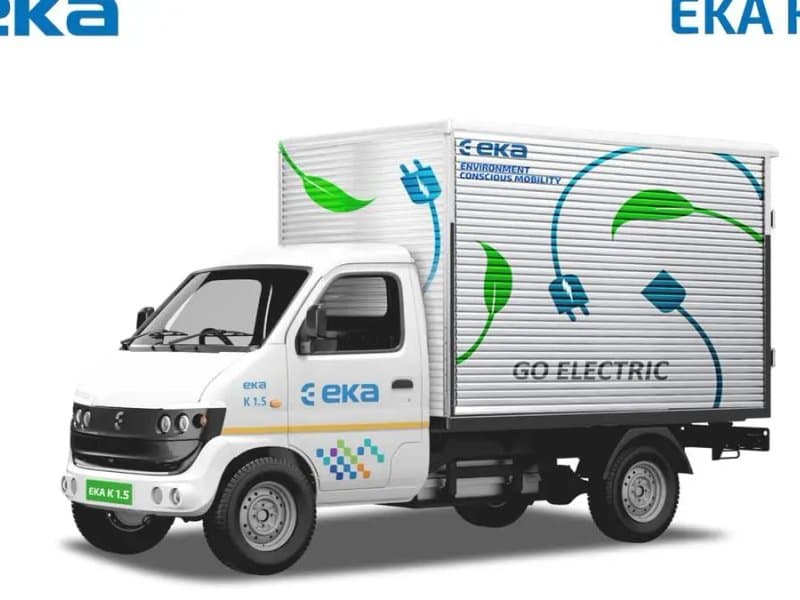
Autonomous delivery vehicle prices range from $15,000 to $300,000 depending on size, capability, and manufacturer. Compact sidewalk-level robots like Starship ($15,000-$25,000) and Kiwibot ($18,000-$30,000) are the most affordable. Mid-size road-going ADVs from Chinese manufacturers like Xingshen Intelligence ($40,000-$60,000) and EKA ($35,000-$55,000) offer a balance of capability and cost. Full-size L4 autonomous vans from Neolix ($80,000-$180,000) and JD Logistics ($90,000-$130,000) serve high-volume logistics. Premium US-made vehicles like the Nuro R3 cost $200,000-$300,000. Chinese manufacturers generally offer prices 40-60% lower than Western alternatives.
Who are the leading autonomous delivery vehicle manufacturers in China?
China's top autonomous delivery vehicle manufacturers include Neolix (新石器), the market leader with 1,000+ vehicles deployed; JD Logistics (京东物流) and Cainiao (菜鸟), which operate large fleets integrated with their e-commerce ecosystems; Meituan Autonomous (美团无人车), focused on food delivery; HaoMo AI (毫末智行), backed by Great Wall Motors; White Rhino (白犀牛), specializing in retail delivery; UISEE (驭势科技), known for airport and industrial logistics; and Xingshen Intelligence (行深智能), focused on campus delivery. These companies benefit from China's supportive regulatory environment and massive delivery market demand.
What regulations govern autonomous delivery vehicles?
Regulations for autonomous delivery vehicles vary significantly by country and region. In China, cities like Beijing, Shanghai, and Shenzhen have established pilot zones where L4 autonomous delivery vehicles can operate on designated public roads with remote monitoring. In the United States, Nuro obtained the first NHTSA exemption for a zero-occupant delivery vehicle, while state-level regulations in California, Texas, and Arizona permit testing and commercial deployment. The EU is developing harmonized regulations under the automated driving framework. Most jurisdictions require remote human supervision, insurance coverage, speed limits (typically 25-50 km/h), and geofenced operating areas. Regulatory approval timelines typically take 6-18 months.
What speed and range can autonomous delivery vehicles achieve?
Autonomous delivery vehicle speeds range from 6 km/h for sidewalk robots to 60 km/h for road-going vehicles. Compact campus robots like Starship and Kiwibot operate at pedestrian speed (6 km/h) with a range of 10-12 km. Mid-size urban ADVs from Neolix, JD Logistics, and Meituan typically reach 40-50 km/h with ranges of 80-120 km on a single charge. Larger van-class vehicles like the Jiushi L4 can achieve 60 km/h with up to 200 km range. Battery capacity, payload weight, terrain, and ambient temperature all affect real-world range. Most manufacturers offer fast charging (1-2 hours) or swappable battery systems to minimize downtime.
What is the ROI of an autonomous delivery vehicle?
Autonomous delivery vehicles typically achieve ROI within 12-24 months depending on the application and utilization rate. A mid-range ADV costing $60,000-$100,000 can replace 1-2 full-time delivery drivers, saving $30,000-$60,000 annually in labor costs. Operating costs are approximately $5-$10 per day for electricity, compared to $50-$100 per day for fuel and driver wages. Fleet operators running 8+ hours daily see the fastest payback periods. Additional savings come from reduced traffic accidents, lower insurance premiums, and 24/7 operation capability. Campus operators like universities report 50-70% cost reduction compared to manual delivery services after the initial investment is recovered.
What are the main use cases for autonomous delivery vehicles?
Autonomous delivery vehicles serve four primary use cases: (1) Last-mile e-commerce delivery — JD Logistics, Cainiao, and Neolix vehicles deliver parcels from distribution centers to residential communities, handling 100-500 packages per day. (2) Food and grocery delivery — Meituan, Nuro, and Starship vehicles deliver meals and groceries with temperature-controlled compartments. (3) Campus logistics — Xingshen Intelligence, Kiwibot, and Starship robots deliver food and packages across university and corporate campuses. (4) Industrial and port logistics — UISEE and Feibu Technology vehicles transport materials within factories, ports, and industrial zones. Emerging use cases include pharmacy prescription delivery, medical sample transport, and rural area logistics where delivery driver recruitment is difficult.
How much does it cost to operate an autonomous delivery vehicle per day?
Daily operating costs for an autonomous delivery vehicle are approximately $5-$15, primarily for electricity charging. This compares favorably to $50-$100 per day for a human driver plus fuel costs. Remote monitoring adds $2-$5 per vehicle per day when operators supervise multiple vehicles. Insurance costs vary by region but are typically $100-$300 per month per vehicle.
Can I lease an autonomous delivery vehicle instead of buying?
Yes, most Chinese manufacturers offer leasing and Robot-as-a-Service (RaaS) models. Leasing costs range from $2,000-$5,000/month for mid-range vehicles and $5,000-$10,000/month for premium L4 vehicles. RaaS models charge per delivery ($0.50-$2.00 per drop), which is ideal for operators testing market demand before committing to fleet purchase.
What are the hidden costs of autonomous delivery vehicle ownership?
Beyond the purchase price, key costs include: charging infrastructure ($3,000-$10,000 per station), remote monitoring setup ($5,000-$15,000), annual maintenance ($2,000-$5,000 per vehicle), software updates and map maintenance ($1,000-$3,000/year), insurance ($1,200-$3,600/year), and regulatory compliance fees. Budget an additional 15-25% of the vehicle purchase price annually for total operating costs.
Which autonomous delivery vehicle is best for a small logistics company?
For small logistics companies, the EKA EVOne ($35,000-$55,000) and Alibaba Xiaomanlu V2 ($60,000-$85,000) offer the best balance of capability and affordability. The EKA EVOne's open API platform allows integration with any logistics system, while the Xiaomanlu V2 provides access to Alibaba's vast delivery network. Consider Robot-as-a-Service (RaaS) leasing models at $2,000-$5,000/month to test operations before purchasing.
How many autonomous delivery vehicles do I need for a campus operation?
A typical university campus (20,000-40,000 students) requires 10-20 delivery vehicles to handle peak demand, while a corporate campus (5,000-10,000 employees) needs 3-8 vehicles. Each vehicle can complete 30-80 deliveries per day depending on route density and distance. Start with a pilot fleet of 3-5 vehicles covering a defined zone, then scale based on utilization data. Most manufacturers offer fleet discounts of 10-20% for orders of 5+ vehicles.
Explore More
Get a Free Quote
Fill out the form below and we'll connect you with verified manufacturers within 24 hours.