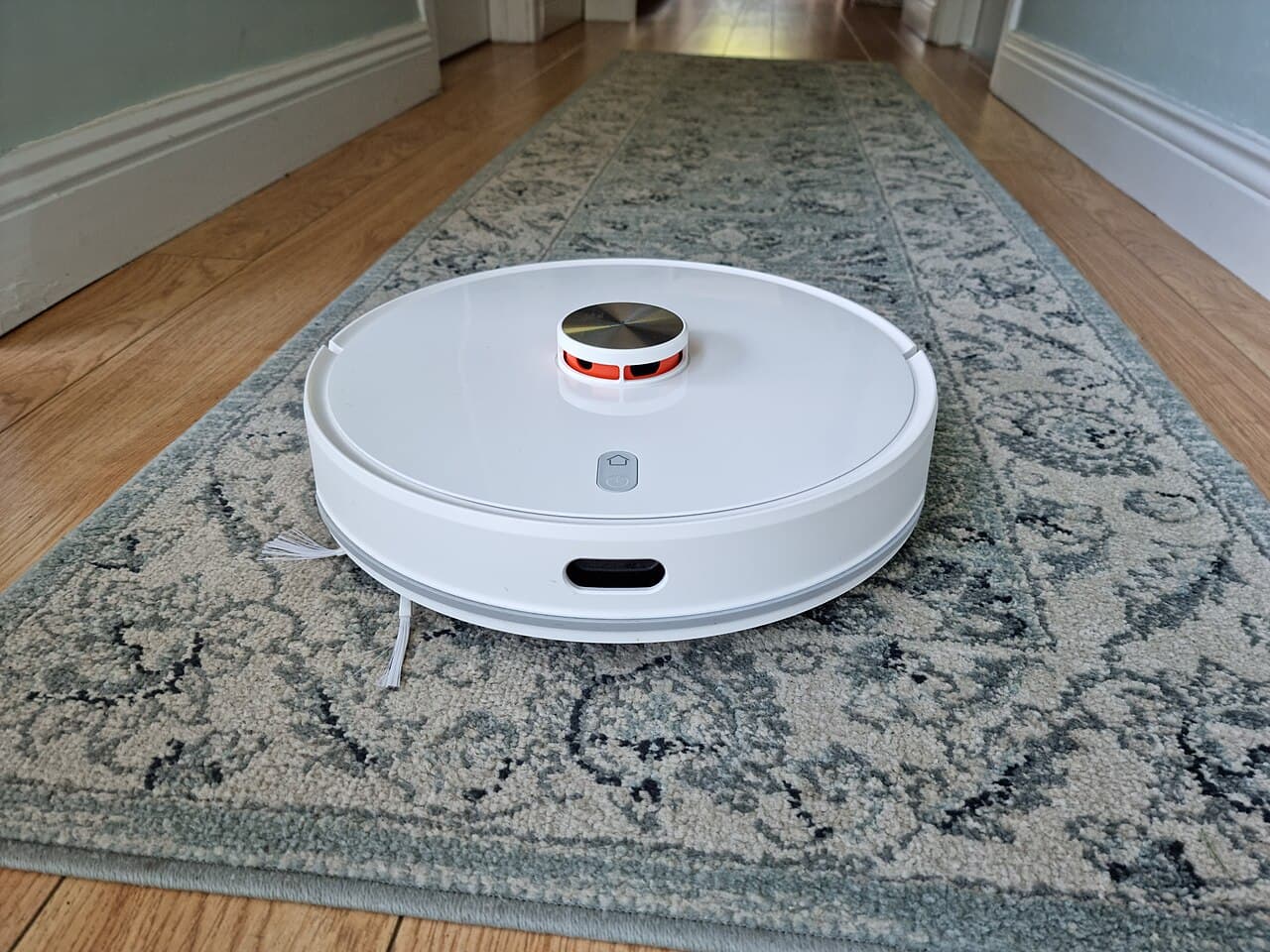
In 2021, the self-emptying dock was a premium feature found only in $700+ robot vacuums. By 2026, it is standard equipment in robot vacuums priced above $300. This standardization happened faster than almost any other feature in consumer electronics history.
How Self-Emptying Works
A self-emptying dock contains a disposable dust bag (typically 2-4 liters capacity) and a high-powered fan. When the robot docks after a cleaning session, the dock's fan activates to suction the contents of the robot's dustbin through a port at the top of the robot into the dock's dust bag. The process takes 10-30 seconds.
The dust bag seals automatically when removed, preventing dust exposure during disposal. Most bags last 30-60 days with typical household use.
Why It Standardized So Fast
Three factors drove the rapid adoption:
Manufacturing scale: Chinese manufacturers like Jinyong Technology (which makes docks for multiple brands) achieved massive manufacturing scale by 2023. At high volumes, the cost of a self-emptying dock fell from $120-$150 per unit to $25-$40. When a feature becomes almost free to add, all manufacturers add it.
Consumer demand: Self-emptying docks consistently rank as the highest-value feature in robot vacuum purchasing surveys. Users who have experienced 30-60 day hands-off emptying are reluctant to return to manual emptying.
Competitive pressure: Once Roborock and Ecovacs made self-emptying standard on mid-range models in 2024, competitors had no choice but to follow. By early 2025, any robot vacuum priced above $350 without a self-emptying dock was at a significant competitive disadvantage.
Current Market by Price Tier
| Price Tier | Self-Emptying Dock |
|---|---|
| Under $200 | Rare, some budget models from Xiaomi |
| $200-$350 | Common, typically as optional accessory |
| $350-$600 | Standard on most models |
| $600-$1,000 | All models include, many with self-washing mop docks |
| $1,000+ | All include self-emptying, most include self-washing mop |
Dust Bag Economics
Proprietary dust bags have been a profit center for manufacturers. Prices range from $15-$30 for a 3-pack depending on brand. However, third-party generic dust bags are now widely available on Amazon for $8-$15 per 6-pack, and the major brands have largely stopped actively blocking third-party bag compatibility.
The cost of owning a self-emptying robot vacuum in 2026:
- Dust bags (generic): $16-$30/year
- Filter replacements: $20-$40/year
- Mop pad replacements (if applicable): $15-$30/year
- Total consumables: approximately $50-$100/year
What Comes Next
The self-emptying dock is already evolving:
Self-washing mop docks: Beyond just emptying dust, premium docks now wash mop pads with hot water, apply detergent, and dry with hot air. This is becoming the standard feature at $700+.
Water refill and drainage: Some premium docks now automatically refill the robot's clean water tank and drain dirty water, enabling truly hands-off mopping for weeks at a time.
Full self-maintenance docks (experimental): Concepts shown at CES 2026 include docks that clean brushes, empty dust, refill water, and replace filter paper — a true self-maintenance system. Commercial availability expected 2027-2028.