The escalation of US tariffs on Chinese-manufactured electronics components to 50% under Section 232 is forcing a structural shift in the global robot vacuum and AMR supply chain. Manufacturers are accelerating plans to move assembly and component production to Vietnam and Thailand — but the timeline is proving tighter than many anticipated.
What Is Affected
The tariffs cover the full range of robot manufacturing inputs:
- LiDAR modules: Most robot vacuum LiDAR units are manufactured in Shenzhen and surrounding Guangdong province. The 50% tariff applies to complete LiDAR modules.
- Brushless DC motors: Critical for drive trains and fan motors. Multiple sources in Guangdong.
- Battery cells: Lithium-ion cells for robot vacuum batteries predominantly from CATL and BYD in China.
- PCB assemblies: Control boards and sensor assemblies from Shenzhen electronics manufacturers.
- Complete robot assemblies: Final assembly in China facing the full tariff impact.
Manufacturer Responses
Roborock: Quietly accelerated construction of a 200,000 sqft Vietnam facility near Hanoi, expected to begin production in Q3 2026. Current US inventory is being front-loaded to maintain supply through the transition.
Ecovacs: Already has partial Thailand production capability from a 2024 expansion. Is increasing Thailand capacity to handle 60% of North American-bound units by Q4 2026.
Dreame: Most exposed to tariffs with the least diversified supply chain. Has announced Vietnam facility plans but production not expected until 2027. US pricing increases of 15-22% are anticipated for 2026 models.
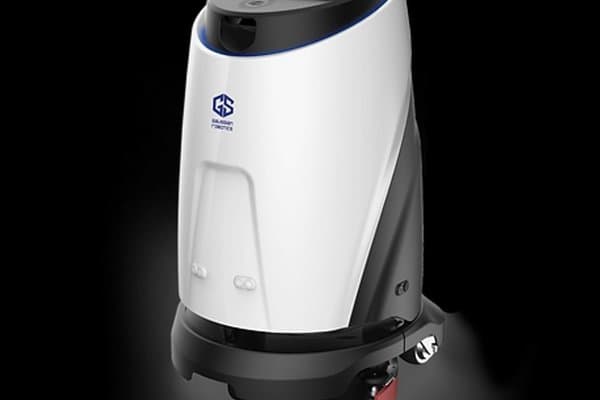
Gaussian Robotics: Less exposed to US market (primary business is China domestic and Europe). Has begun strategic customer pricing discussions in advance of any US-specific tariff impact.
Price Impact for Buyers
US retail prices for Chinese-manufactured robot vacuums are expected to increase 12-20% through 2026 as tariff costs are passed through. The impact varies by brand:
- Brands with Vietnam/Thailand alternatives partially stood up: 8-12% increase
- Brands still China-dependent for US supply: 15-22% increase
- Western brands (iRobot, Western AMR manufacturers): Minimal direct impact (their supply chains are less China-dependent) but exposed to component-level Chinese tariffs
The Component-Level Challenge
The harder problem is not final assembly — it's component supply. Moving final assembly to Vietnam is straightforward; moving the entire component ecosystem (motors, sensors, batteries, PCBs) is a 3-5 year project even with aggressive investment.
Short term: Manufacturers will absorb some tariff cost to maintain market share, accept compressed margins, and accelerate Vietnam/Thailand moves. The consumer price impact of 12-20% is manageable for premium products — buyers in the $500-$1,500 range are less price-sensitive than mass-market consumers.