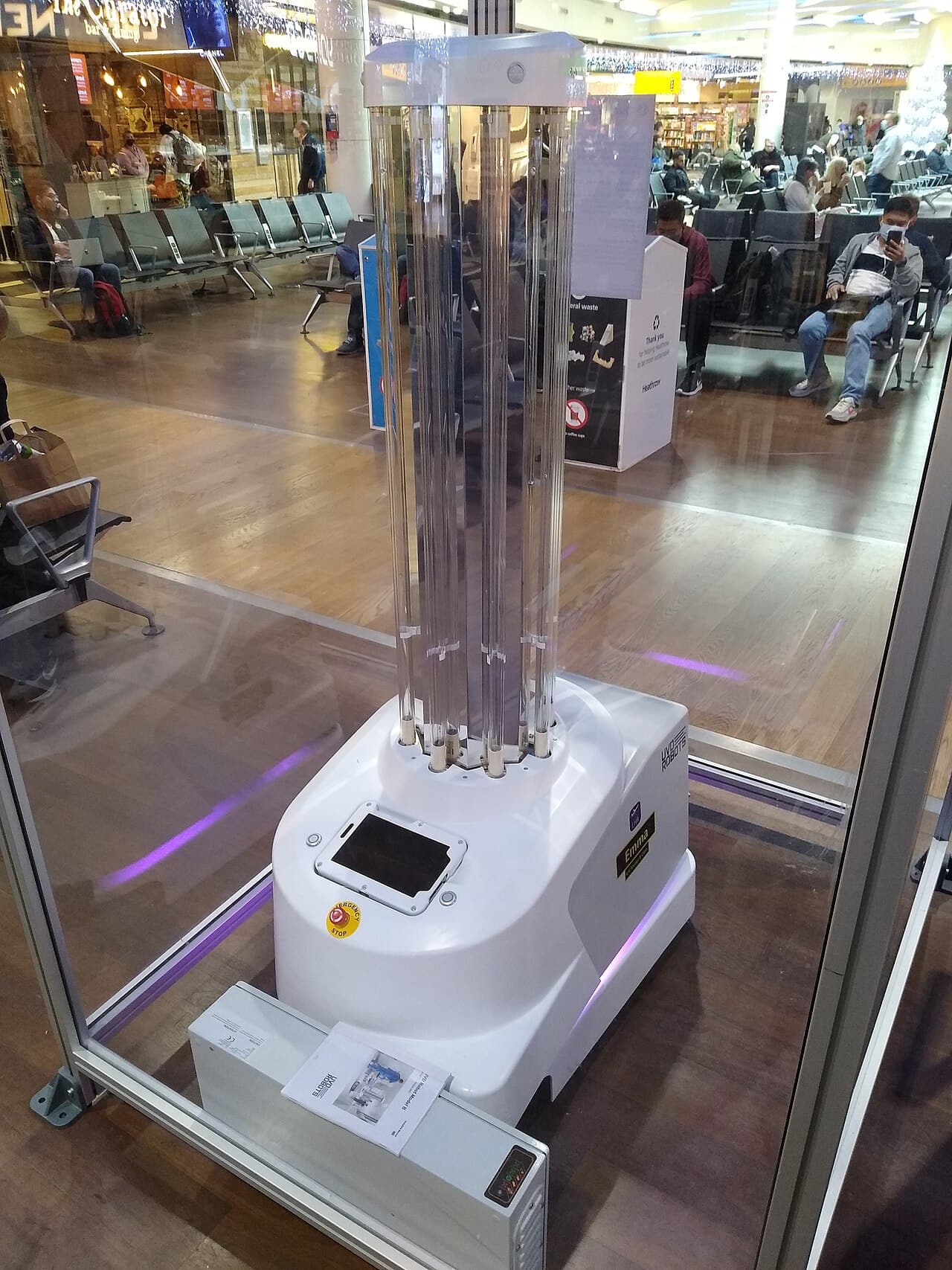
The autonomous cleaning robot market in healthcare settings has matured significantly beyond its initial COVID-driven surge. According to AHRMM data for 2026, 58% of US hospitals with 200+ beds now deploy at least one autonomous cleaning or disinfection robot — up from 31% in 2022 and 44% in 2024.
Why Healthcare Adopted Cleaning Robots
The pandemic accelerated healthcare facility interest in autonomous cleaning but the sustained investment is driven by genuine operational value:
HAI (Healthcare-Associated Infection) reduction: UV-C disinfection robots deployed after terminal cleaning cycles have demonstrated 30-40% reductions in C. difficile surface contamination in multiple peer-reviewed studies. Several hospital systems now mandate UV-C robot treatment of isolation rooms.
Night-shift staffing relief: Night-shift environmental services staff are among the hardest positions to fill and retain in healthcare. Autonomous robots handle terminal cleaning of common areas (corridors, lobbies, waiting areas), freeing staff for patient room cleaning where human judgment is irreplaceable.
Consistency and documentation: Robots produce automated logs of where they cleaned and for how long — valuable for infection control documentation and accreditation audits in ways that human cleaning logs cannot match.
Types of Hospital Cleaning Robots
UV-C Disinfection Robots (most common): Emit high-intensity UV-C light to kill pathogens on surfaces. Deployed after terminal cleaning to supplement (not replace) manual disinfection. Typically operate in unoccupied rooms. Xenon Ultraviolet and UV Partners (Dimer) are key manufacturers.
Electrostatic Sprayer Robots: Charge cleaning/disinfection chemical particles so they wrap around surfaces uniformly. More effective than manual spraying for complex equipment configurations. Xenex, Tabor, and Surfacide are key players.
Floor Cleaning AMRs: Autonomous scrubbers and vacuums adapted for healthcare environments with special requirements (antimicrobial surfaces, battery safety certification, navigation in occupied corridors). Gaussian Robotics and Tennant have healthcare-specific models.
Mobile Manipulation Robots (emerging): Experimental systems that can open drawers, operate light switches, and manipulate environment controls — enabling autonomous room setup and turndown. Not yet commercially deployed at scale.
Implementation Economics
| Robot Type | Typical Cost | Annual Service Contract | Rooms/Day Capacity |
|---|---|---|---|
| UV-C disinfection | $80,000-$120,000 | $12,000-$18,000 | 15-25 rooms |
| Electrostatic sprayer | $60,000-$90,000 | $10,000-$15,000 | 20-40 rooms |
| Healthcare floor AMR | $40,000-$70,000 | $8,000-$12,000 | 8-15 floors |
The business case calculation:
- A UV-C robot that treats 20 rooms/day at $80,000 cost with $15,000/year service saves approximately 1.5 FTE at an average hospital EVS worker cost of $45,000/year. Payback: under 2 years.
Barriers to Full Adoption
Despite 58% adoption among large hospitals, meaningful challenges remain:
- Interoperability: Most hospital cleaning robots operate on separate systems from EHR and nurse call systems. Integration that triggers robot deployment from infection alerts or discharge notifications is still rare.
- Corridor navigation: Hospital corridors with equipment carts, beds, and mobile IV stands create complex navigation environments that still challenge autonomous systems.
- Patient room complexity: Patient rooms with furniture, equipment, and supplies in unpredictable layouts remain better suited to human cleaning than autonomous systems.
- Capital vs. operational budget split: Robots are capital purchases but the savings accrue to operational budgets — misalignment slows purchasing decisions.
Outlook
By 2028, 75%+ of US hospitals over 200 beds are expected to have at least one autonomous cleaning robot. The next major growth area is integration — robots that receive room turndown triggers directly from EHR discharge notifications and can autonomously sequence cleaning across multiple rooms.