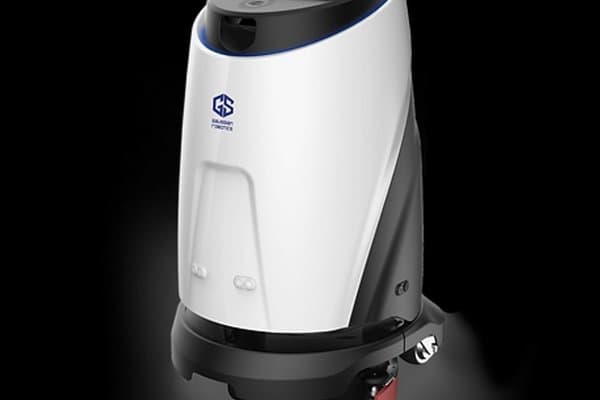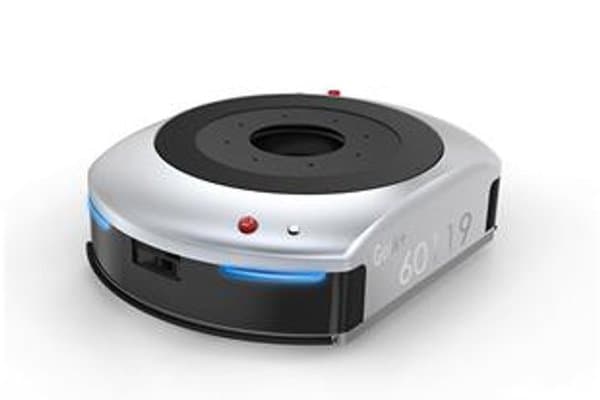
China now dominates the global market for Autonomous Mobile Robots (AMR) in the warehouse. By 2024 revenue, the top global AMR vendor is Chinese — and has held that position for seven straight years, leading not just worldwide but in EMEA and Asia-Pacific specifically. For overseas warehouses weighing an automation partner, that market reality is worth understanding before you source.
How big is the lead
The category leader alone runs systems that coordinate 5,000+ robots in a single warehouse, with more than ten "thousand-robot" projects live across 40+ countries and 800+ end customers. This isn't a pilot-stage industry — it's mature, field-proven infrastructure shipping at scale. Recent European deployments include smart warehouses for Nordic e-commerce and Polish logistics centers, the kind of demanding, high-throughput sites that expose any weakness in a fleet.
Why China pulled ahead
Three structural advantages compound. First, the world's largest e-commerce and manufacturing base gave Chinese AMR makers an enormous domestic proving ground before they exported. Second, a complete components supply chain — motors, LiDAR, batteries — lets them iterate faster and price 40–60% below Western systems. Third, R&D intensity: the market leader books 40%+ of headcount in R&D and holds nearly 1,900 patents. The result is goods-to-person picking, tote-handling, and dense-storage systems that match Western specs at a fraction of the cost.
What this means for buyers
Market leadership is reassuring, but it doesn't pick your system for you. The decisive factors are still your SKU profile and throughput, multi-fleet scheduling software (can one brain run 1,000+ robots without gridlock?), WMS/ERP integration, and — critically for overseas sites — proven local deployments and support in your region. A vendor with live projects in your market is worth more than one with a better spec sheet and no nearby footprint.
Bottom line
Chinese AMR warehouse robots aren't the cheap alternative anymore — they're the global market leaders, with the scale and field record to back it. For overseas warehouses fighting labor cost and peak-season spikes, they are the most cost-effective path to capacity. Compare specs, pricing, and vendors of China's warehouse robots before you shortlist.