Buying a robot requires capital. Robot-as-a-Service (RaaS) doesn't. Instead of paying $30,000–$150,000 upfront, you pay a monthly subscription and the manufacturer handles maintenance, software updates, and even replacement if the robot breaks down.
In 2026, RaaS has moved from a niche offering to a mainstream option — particularly for delivery robots, warehouse AMRs, and cleaning robots. Here's everything you need to know.
What Is RaaS (Robot-as-a-Service)?
RaaS is a business model where you lease robot hardware and pay a recurring fee instead of purchasing outright. The fee typically includes:
- Robot hardware (you don't own it)
- Software platform and updates
- Maintenance and repairs
- Remote monitoring
- Replacement robots if hardware fails
Think of it like leasing a car, but the leasing company also handles all maintenance and repairs.
RaaS Pricing by Robot Category (2026)
Delivery Robots (Restaurant / Hotel)
| Model | Buy Price | RaaS Monthly | RaaS Provider |
|---|---|---|---|
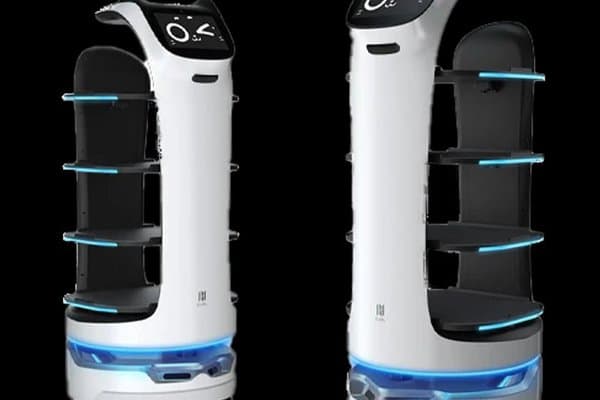
| Pudu BellaBot | $4,000–$6,000 | $300–$500 | Pudu Robotics |
| Keenon T8 | $4,500–$6,500 | $350–$550 | Keenon Robotics |
| Bear Robotics Servi | N/A (RaaS only) | $1,500–$2,000 | Bear Robotics |
| Richtech Matradee | $8,000–$12,000 | $500–$800 | Richtech |
Delivery robot RaaS is the most mature segment. Bear Robotics (backed by SoftBank and LG) operates exclusively on RaaS — you can't buy a Servi robot outright.
Warehouse Robots (AMR / AGV)
| Application | Buy Price | RaaS Monthly | RaaS Provider |
|---|---|---|---|
| Goods-to-person system | $500K–$2M | $15,000–$50,000 | Geek+, Hai Robotics |
| AMR (single unit) | $20K–$50K | $1,500–$3,000 | Quicktron, 6 River |
| AGV (conveyor-style) | $15K–$40K | $800–$2,000 | Various |
Warehouse RaaS is growing fast. For companies that need to scale up for peak seasons (e-commerce Q4, for example) and scale down afterward, RaaS is dramatically more flexible than ownership.
Commercial Cleaning Robots
| Model | Buy Price | RaaS Monthly | RaaS Provider |
|---|---|---|---|
| Avidbots Neo | $30K–$60K | $2,000–$3,500 | Avidbots |
| SoftBank Whiz | N/A | $400–$800 | SoftBank Robotics |
| Gaussian Voyager | $25K–$45K | $1,500–$2,500 | Gaussian Robotics |
SoftBank Whiz is a RaaS-only commercial vacuum — similar to Bear Robotics, you can't buy it outright.
Collaborative Robots (Cobots)
| Brand | Buy Price | RaaS Monthly | Notes |
|---|---|---|---|
| Standard Bots RO1 | N/A | ~$5/hour ($3,650/mo) | RaaS-first model |
| Universal Robots | $25K–$50K | $1,500–$2,500 | Through partners |
| AUBO (China) | $15K–$32K | $800–$1,500 | Limited availability |
Humanoid Robots
The newest and most expensive RaaS category:
| Model | RaaS Daily | RaaS Monthly | Provider |
|---|---|---|---|
| AgiBot A2 | €899/day | ~$20,000+ | AgiBot (MWC 2026) |
| Unitree U1 | ~$250/day | ~$5,000+ | Unitree |
Humanoid RaaS is still nascent — primarily available for pilot programs rather than standard commercial deployment.
Buy vs. RaaS: When Does Each Make Sense?
Financial Comparison (3-Year Delivery Robot Example)
| Buy (from China) | RaaS | |
|---|---|---|
| Year 1 | $6,000 upfront | $4,800 ($400/mo) |
| Year 2 | $600 (maintenance) | $4,800 |
| Year 3 | $600 (maintenance) | $4,800 |
| **3-Year Total** | **$7,200** | **$14,400** |
Buying outright costs half as much over 3 years. So why would anyone choose RaaS?
Reasons to Choose RaaS
1. No upfront capital required
Restaurant owners, hotels, and SMEs often lack the capital for $30,000–$50,000 warehouse robot deployments. RaaS converts CapEx to OpEx — a much easier budget conversation.
2. Zero maintenance risk
If the robot breaks down, the provider sends a replacement. You're not responsible for spare parts, repairs, or technician costs. For companies without in-house robotics expertise, this is significant.
3. Scale up or down
A fulfillment center can add 20 AMRs for peak season and return them in January. With purchased robots, you're stuck with peak capacity all year.
4. Always-current technology
RaaS agreements typically include software updates and sometimes hardware upgrades. You won't be running a 3-year-old robot in year 5 of a RaaS contract.
5. Try before you commit
Many RaaS providers offer 3–6 month trial periods. This is the lowest-risk way to test whether robots actually work in your specific environment before committing to a full fleet.
Reasons to Buy Outright
1. Much lower long-term cost
As the delivery robot example shows, buying outright is roughly 50% cheaper over 3 years. If you're deploying robots for the long term, ownership wins on economics.
2. Full control
You own the robot, the data, and the decision about when to upgrade. RaaS contracts can have restrictive terms about customization and data ownership.
3. Chinese manufacturers = better economics
Buying directly from Chinese manufacturers at FOB pricing gives the best purchase economics. Most RaaS providers add 40–60% margin on top of hardware cost to cover their service infrastructure.
4. No contract lock-in
RaaS contracts often have 2–3 year minimum terms with exit penalties. Owning the robot gives you complete flexibility.
The Chinese RaaS Landscape
Chinese manufacturers are moving aggressively into RaaS, particularly in the domestic market:
- Pudu Robotics: Offers RaaS for BellaBot and KettyBot across Asia-Pacific
- Geek+: Enterprise RaaS for full warehouse AMR systems; 2–3 year contracts typical
- Quicktron: AMR RaaS with pay-per-pick pricing models emerging in 2026
- Agibot: Launched global humanoid RaaS at MWC 2026 at €899/day
- Bear Robotics (US, Chinese components): Purely RaaS model with $1,500–$2,000/month
China's domestic robot rental market was under ¥1 billion in 2025 but is projected to approach ¥10 billion in 2026 — a 10× increase driven by widespread RaaS adoption in logistics and hospitality.
Pay-Per-Use: The Next Evolution
Beyond monthly subscriptions, some providers are moving to pay-per-use pricing:
- Pay-per-pick: $0.03–$0.06 per item picked (warehouse AMRs)
- Pay-per-delivery: $0.50–$2.00 per delivery (restaurant robots)
- Pay-per-hour: $3–$8/hour (cobot RaaS)
Pay-per-use aligns robot cost with robot value generated — making it compelling for variable-demand businesses.
How to Evaluate a RaaS Contract
Before signing, ask:
- What's included in maintenance? Response time, on-site vs. remote, parts coverage?
- What's the uptime guarantee? Industry standard is 95%+ uptime
- Who owns the data? Operational data generated by your robots has value
- What are the exit terms? Early termination penalties and hardware return conditions
- Can I buy out the contract? Some agreements allow converting to ownership
- What happens if the technology is superseded? Upgrade rights matter for multi-year deals
Frequently Asked Questions
Is RaaS cheaper than buying?
No, in most cases buying outright (especially from Chinese manufacturers) is significantly cheaper over 3+ years. RaaS makes sense when: you lack upfront capital, you need variable capacity, you want to eliminate maintenance risk, or you're piloting before committing to a full fleet.
Which robots are only available as RaaS?
Bear Robotics Servi and SoftBank Whiz are notable examples of robots only available via RaaS — you cannot purchase them outright. Standard Bots' RO1 cobot is also primarily offered on a subscription model.
Can I negotiate RaaS pricing?
Yes, especially for multi-unit deployments. Fleet deals (5+ units) typically see 15–25% discount on monthly rates. Longer contract terms (3 years vs. 1 year) also command better pricing.
Are there tax advantages to RaaS?
In most jurisdictions, RaaS monthly payments are fully deductible as operating expenses. Purchased robots are depreciated over 5–7 years (though bonus depreciation rules in the US allow accelerated deduction). Consult your tax advisor for your specific situation.
Compare Robots Available for Purchase
If you've decided buying makes more sense than RaaS, GrabaRobot's directory covers 400+ robots from verified manufacturers with real pricing.