Industrial inspection is one of the fastest-growing robot application categories in 2026, driven by simple economics: the cost of robot inspection is falling while the cost of human inspection — requiring fall protection, confined space entry permits, plant shutdowns, and safety personnel — keeps rising.
The IFR reported double-digit growth in service robot deployments for inspection applications in 2024 and projects this to continue through 2028. The applications range from simple — overhead camera drones at refineries — to complex, like pipe-crawling robots with ultrasonic thickness gauges.
Categories of Inspection Robots
1. Industrial Inspection Drones
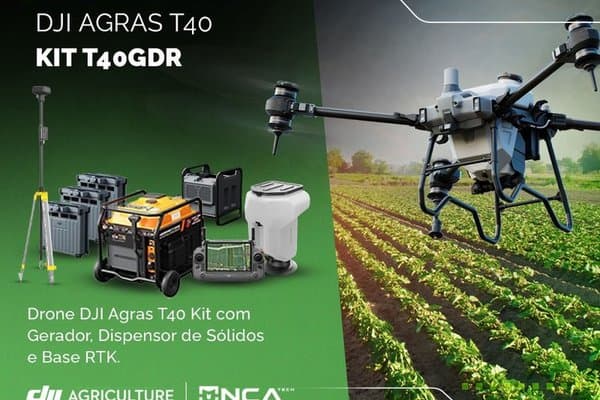
Multirotor UAVs configured for inspection duties: higher-resolution cameras, LiDAR sensors, thermal imaging, extended flight time. Used for tower inspection, roof inspection, flare stack inspection, powerline surveys, and facility perimeter monitoring.
Key specs to evaluate: Camera resolution (4K minimum for detailed inspection), flight time (30+ minutes commercial grade), obstacle avoidance, GPS hold in wind, payload for specialized sensors.
Representative models:
- DJI Matrice 350 RTK: $6,500–$8,000 (inspection-focused, 55-min flight time)
- DJI Matrice 30T (thermal): $9,000–$12,000
- Flyability Elios 3 (confined space): $35,000–$45,000
- Skydio X10 (autonomous inspection): $15,000–$20,000
Annual operating cost: $2,000–$5,000 (batteries, maintenance, software subscription)
2. Wheeled Ground Inspection Robots
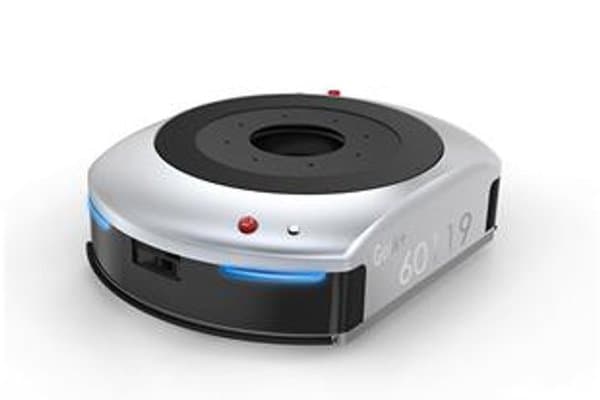
Wheeled or tracked robots that navigate flat or near-flat surfaces — tank floors, plant floors, bridge decks. Equipped with cameras, ultrasonic sensors, or gas detectors. Often remotely operated or semi-autonomous.
Representative models:
- SPOT by Boston Dynamics: $74,500 (legged, not wheeled, but primary reference point)
- Gecko Robotics Toka: Custom pricing (inspection-as-a-service)
- Perceptin T40 ground robot: $28,000–$45,000
- OTSAW OM Integrated Security: $35,000–$60,000
3. Pipe/Conduit Crawlers
Robots designed to enter and traverse pipes, ducts, and conduits — inspecting interior surfaces for corrosion, cracks, blockages, or structural issues. Critical for water utilities, oil and gas pipelines, and HVAC systems.
Representative models:
- CUES Pipe Ranger: $45,000–$80,000
- iPEK ROVION: $55,000–$95,000
- Envirosight ROVVER X: $40,000–$70,000
- Eddyfi Robotics Lyra: $60,000–$100,000
Pipe diameter range: Most commercial systems handle 100mm–2400mm; micro-robots handle 50–100mm pipes.
4. Climbing and Confined Space Robots
Robots that adhere to vertical surfaces (magnetic or vacuum adhesion) for inspecting storage tanks, ship hulls, bridges, and building facades. Confined-space robots enter vessels too small or hazardous for human entry.
Representative models:
- Flyability Elios 3 (cage-protected, confined space): $35,000–$45,000
- Apellix W2: $50,000–$80,000 (wall-climbing, spray/inspect)
- IKM Subsea ROV systems: $80,000–$200,000
Price Comparison Table
| Type | Entry Level | Mid-Range | Enterprise/Custom |
|---|---|---|---|
| Inspection drone | $3,000–$8,000 | $8,000–$20,000 | $20,000–$50,000+ |
| Ground wheeled | $15,000–$30,000 | $30,000–$75,000 | $75,000–$200,000+ |
| Pipe crawler | $20,000–$45,000 | $45,000–$95,000 | $95,000–$200,000+ |
| Legged (SPOT) | $74,500 base | $90,000+ with sensors | Custom enterprise |
| Confined space | $10,000–$20,000 | $20,000–$45,000 | $45,000–$100,000+ |
ROI Versus Human Inspection
Power Line Tower Inspection (Human vs Drone)
Human inspection cost (per tower):
- Climbing crew: $450–$600/tower
- 200 towers per season: $90,000–$120,000
- Safety incidents: 1–2 per 200 towers average; loaded cost ~$15,000 each
- Total annual: ~$120,000–$150,000
Drone inspection cost (per tower):
- Equipment amortized: $50/tower (assuming 400 towers/year, 4-year asset life)
- Operator time: $25/tower
- Data processing (AI-assisted): $15/tower
- Total annual (200 towers): $18,000
Savings: $100,000+/year. Payback on $15,000 drone investment: under 6 weeks.
Industrial Tank Inspection (Human vs Robot)
Human confined space inspection:
- Confined space permit preparation: $2,000
- Respiratory equipment: $800
- Entry team (3 personnel × $85/hr × 8hr): $2,040
- Post-entry decon and documentation: $500
- Plant shutdown cost: $5,000–$15,000
- Per inspection: $10,000–$20,000
Flyability Elios 3 robot inspection:
- Equipment cost amortized (200 inspections/year): $225/inspection
- Operator time: $300/inspection
- Report generation: $100/inspection
- Per inspection: $625
Savings per inspection: $9,375–$19,375. Payback on $45,000 equipment: 3–5 tank inspections.
What Most Guides Don't Cover: Data Processing Costs
The inspection robot delivers the data — terabytes of video, thermal images, ultrasonic readings. Processing that data to extract actionable inspection findings is a separate cost that many buyers underestimate.
AI-assisted inspection software subscriptions: $5,000–$40,000/year depending on volume and capability. Without these platforms, inspection teams are manually reviewing hours of footage — which eliminates much of the productivity gain from the robot.
Leading inspection data platforms: Flyability Inspector (included with Elios), Clobotics, Gecko Robotics' data platform, DroneDeploy for aerial inspection.
Inspection-as-a-Service (IaaS)
Many businesses choose not to own inspection robots, instead contracting inspection service providers who bring the equipment, operate it, and deliver reports. Cost is per-inspection or per-hour rather than capital outlay.
Typical contracted rates:
- Aerial inspection: $150–$400/hour
- Confined space inspection: $500–$1,200/inspection
- Pipe crawling: $800–$2,000/inspection plus mobilization
This model works well for low-frequency inspection cycles (annual plant inspection, regulatory compliance surveys). Owner-operated equipment makes sense for organizations running 50+ inspections per year.
Regulatory and Certification Considerations
Aerial inspection requires FAA Part 107 certification in the US. Industrial inspection drones operating beyond visual line of sight (BVLOS) — increasingly standard for tower and pipeline inspection — require additional FAA waiver. Budget 3–6 months for BVLOS approval.
Pipe inspection in water/wastewater applications typically requires NASSCO (National Association of Sewer Service Companies) certification for operators submitting data to utilities.
For full product comparisons and sourcing options, visit the inspection robot category.
Frequently Asked Questions
Q: What is the minimum pipe diameter for commercial crawler robots?
Most commercial crawlers handle 150mm (6 inch) and above. Micro-robots for 75–150mm (3–6 inch) pipes are available but significantly more expensive per unit and have limited sensor payload. Below 75mm, remote visual inspection via push cameras is typically more economical.
Q: Can inspection drones operate indoors?
Yes, but indoor drones require GPS-denied navigation (optical flow, LiDAR SLAM) and often collision protection. The Flyability Elios 3 is specifically designed for indoor confined space inspection. Standard outdoor inspection drones without collision protection are not suitable for indoor use.
Q: How often do inspection robots need maintenance?
Commercial inspection drones: annual inspection recommended; battery replacement every 200–300 cycles. Pipe crawlers: quarterly inspection of drive tracks and camera seals; full service annually. Boston Dynamics SPOT: Annual service contract available at $10,000–$15,000/year.
Q: Can I use a consumer drone (DJI Mini) for industrial inspection?
Consumer drones lack the resolution, sensor integration, and reliability required for professional inspection applications. They also lack IP ratings for industrial environments. The liability and documentation requirements of professional inspection also require enterprise-grade systems with data integrity features. Use professional equipment.