The cleaning robot category has evolved faster in the past three years than in the previous decade. Here is where the technology is heading through 2030 and what it means for facility managers, homeowners, and anyone invested in the robotics space.
2026: The AI Inflection Point
2026 marks the year AI-powered obstacle recognition becomes standard in premium robots. The Dreame X40 Ultra and Roborock S8 MaxV Ultra both feature neural processing units (NPUs) that run computer vision models locally, identifying objects in real-time without cloud connectivity. This is a significant step toward fully autonomous operation.
Key 2026 developments:
- Real-time pet waste identification (prevents the single most dreaded robot vacuum failure mode)
- Cable and cord detection with separate avoidance behaviors
- Learning floor plans over time, adapting cleaning routes based on obstacle patterns
- Multi-robot coordination protocols (two robots communicating to divide a home)
2027-2028: Robotic Arms and Self-Maintenance
Cleaning robots gain manipulation and self-maintenance capabilities. Key developments:
Robotic arms on cleaning robots: Early experimental platforms from Samsung and Sony have demonstrated the ability for cleaning robots to pick up objects, move them, and clean under them — a capability that has eluded the industry for 20 years. By 2027-2028, this moves from research lab to commercial product.
Self-maintenance docks: Docks that not only empty the dustbin but also clean the robot — automatic mop pad washing with hot water, brush roller cleaning cycles, and water tank refilling. The Dreame X40 Ultra's hot water mop-washing dock is an early step in this direction.
Liquid spill handling: Robots that can autonomously handle liquid spills — not just avoiding them but actively cleaning them up. Requires integration of absorption pads, smaller form-factor squeegees, and better waterproofing.
2029-2030: The Humanoid Convergence
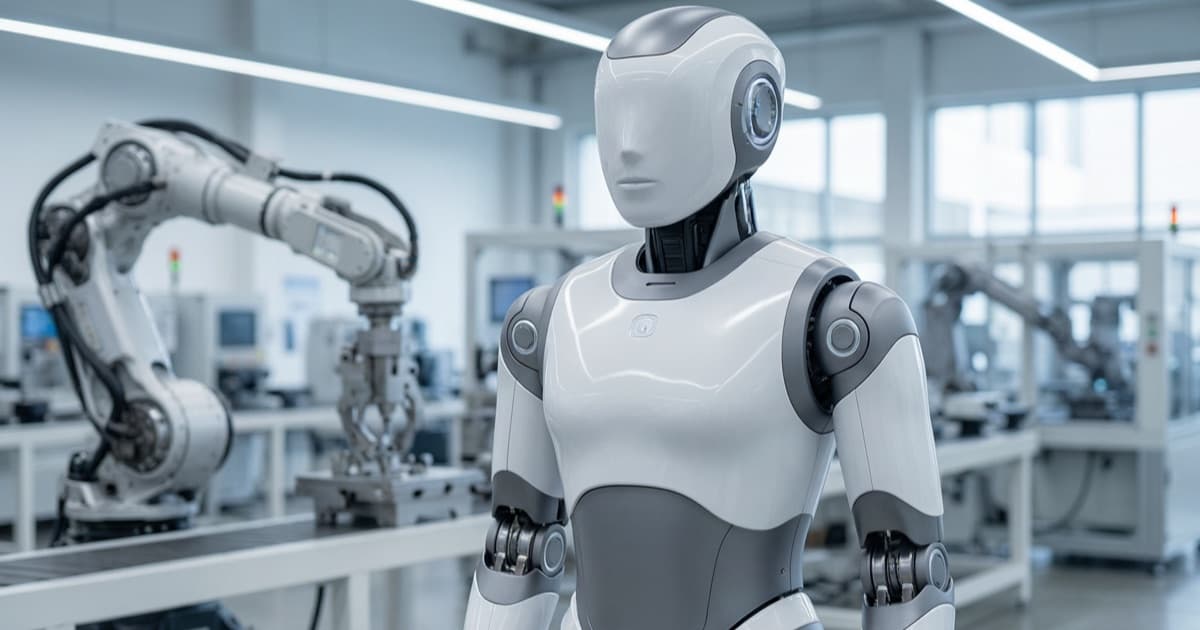
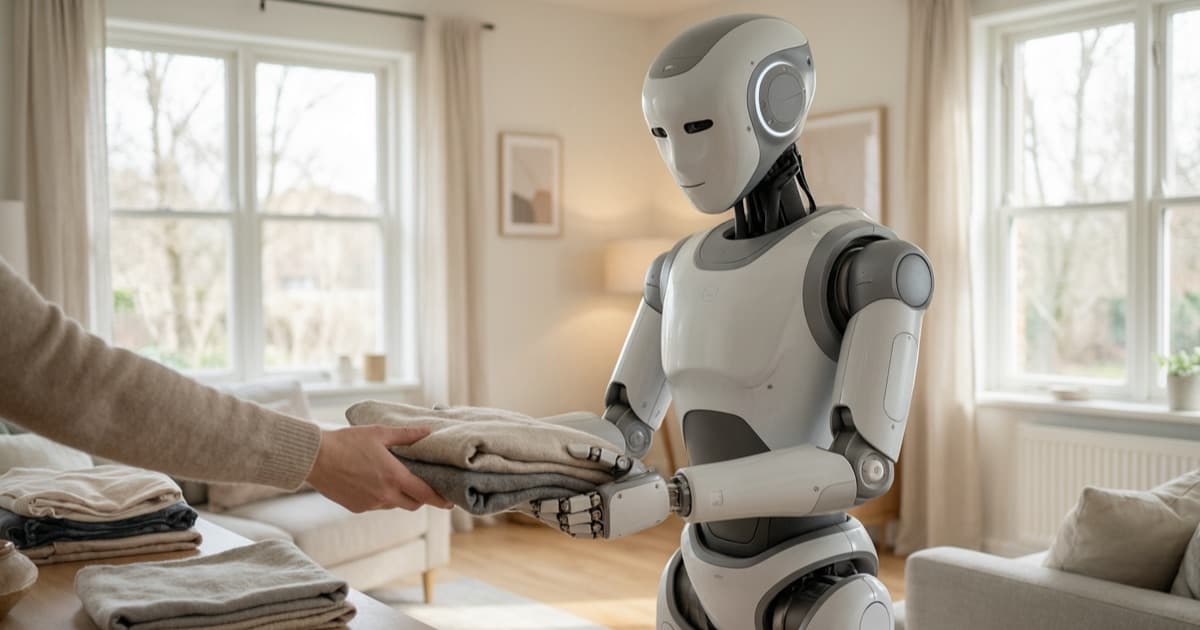
The most significant development of the decade: humanoid robots entering domestic and commercial cleaning applications.
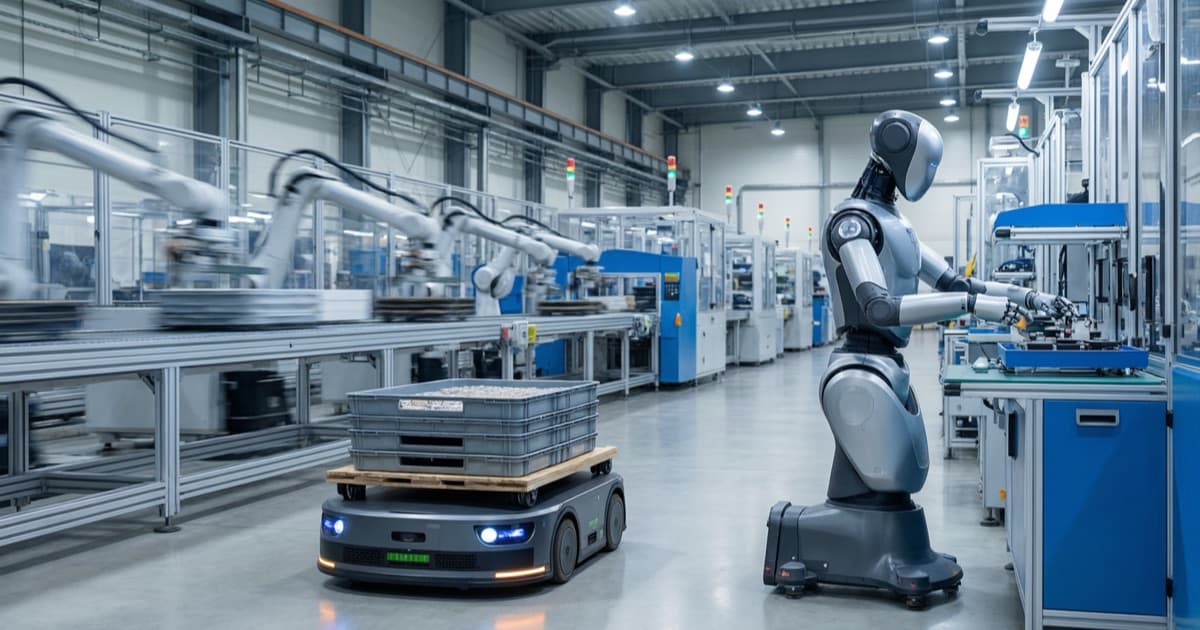
Humanoid platforms — Tesla's Optimus, Figure's robots (piloted with BMW), Agility Robotics' Digit — are aimed first at manufacturing and logistics work, but if they succeed there, facility cleaning is a natural adjacent market. In that scenario, humanoid cleaning robots could begin commercial deployment by 2029-2030 in:
- Hotels (room cleaning, common area maintenance)
- Office buildings (after-hours deep cleaning)
- Hospitals (non-clinical cleaning tasks)
- Senior living facilities
The economic case is compelling: a humanoid robot that works 16 hours/day at $5-7/hour equivalent (depreciated capital + maintenance) versus a human cleaner at $18-25/hour fully loaded. The payback math becomes positive at scale within 2-3 years of deployment.
The Smart Home Integration Roadmap
By 2030, the cleaning robot becomes one node in a comprehensive home intelligence network:
- Refrigerators that detect expired food and trigger floor cleaning
- HVAC systems that trigger air purification robots after renovation dust events
- Smart water meters that flag leak aftermath cleaning needs
- Delivery robots that integrate with cleaning schedules to avoid cross-traffic
This integration is already beginning: Ecovacs and Roborock have both announced Matter protocol support in 2026, enabling their robots to participate as first-class citizens in Apple Home, Google Home, and Amazon Alexa ecosystems.
What This Means for Buyers Today
If you are buying a cleaning robot in 2026, the most important consideration is software updateability. Robots with strong OTA (over-the-air) update infrastructure will gain new capabilities as the AI models improve. Brands with poor update track records or companies at financial risk should be avoided — a robot purchased today should receive meaningful software updates through 2029 at minimum.