Residential Pool Cleaning Robot — Solutions & Suppliers from China
Residential pool cleaning robots provide hands-free pool maintenance for homeowners, automatically cleaning pool floors, walls, and waterlines. Modern cordless models from Chinese manufacturers offer 2-3 hours of cleaning time on a single charge — enough to clean most residential pools completely.
Popular models like the Aiper Seagull Pro and Degrii Zima Pro feature smart path planning, dual-motor suction, and fine filtration that captures debris down to 2 microns. Many models include smartphone apps for scheduling and monitoring cleaning progress.
Residential pool robots typically cost $300-$1,500, replacing the need for weekly pool cleaning services that cost $100-$300 per month. Most pool owners see payback within 3-6 months.
Residential Pool Cleaning Robot Products
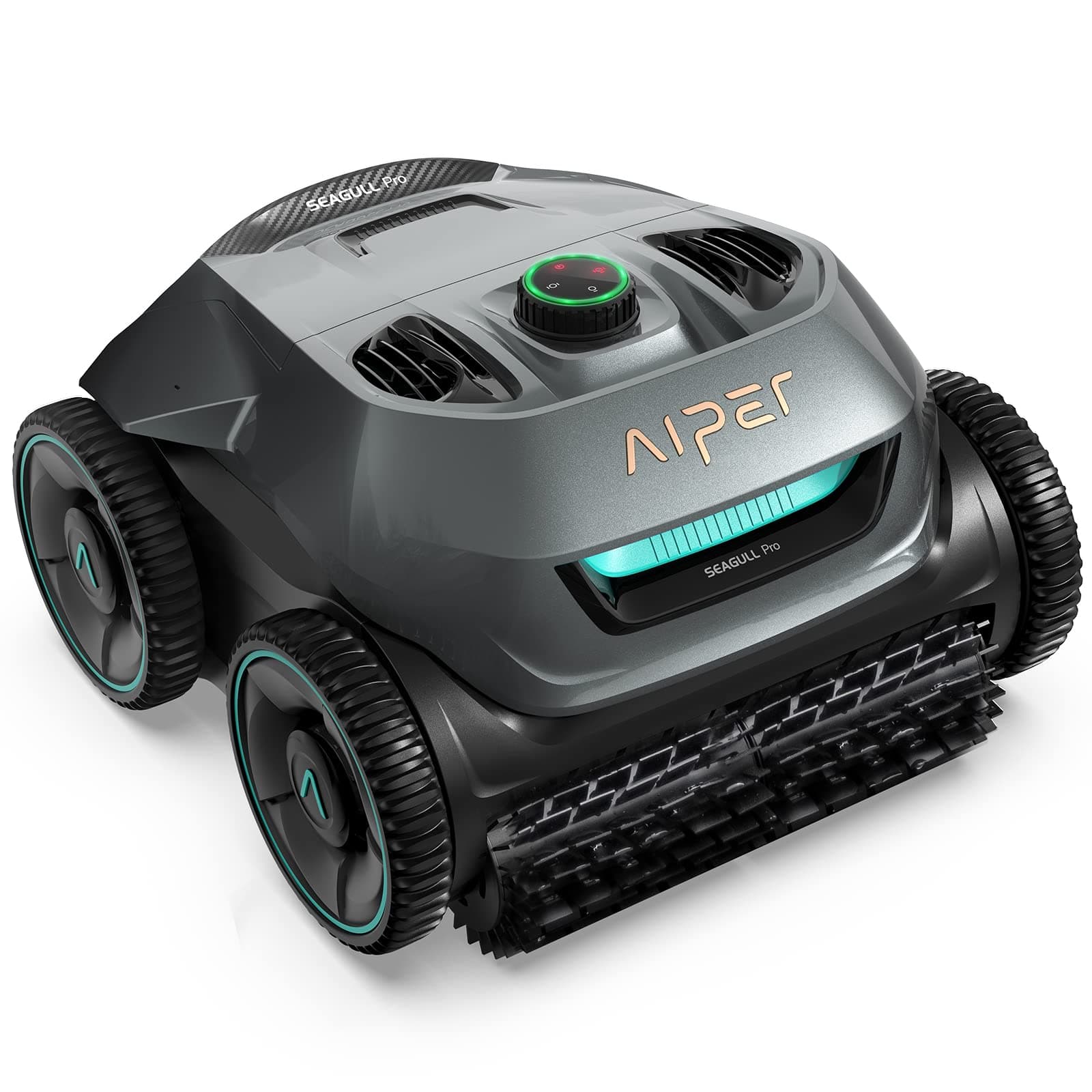
Aiper Seagull Pro
Aiper
$500 - $700
pool_size: Up to 1,600 sq ft (in-ground)battery_life: 3 hourssuction_power: 5,000 GPH
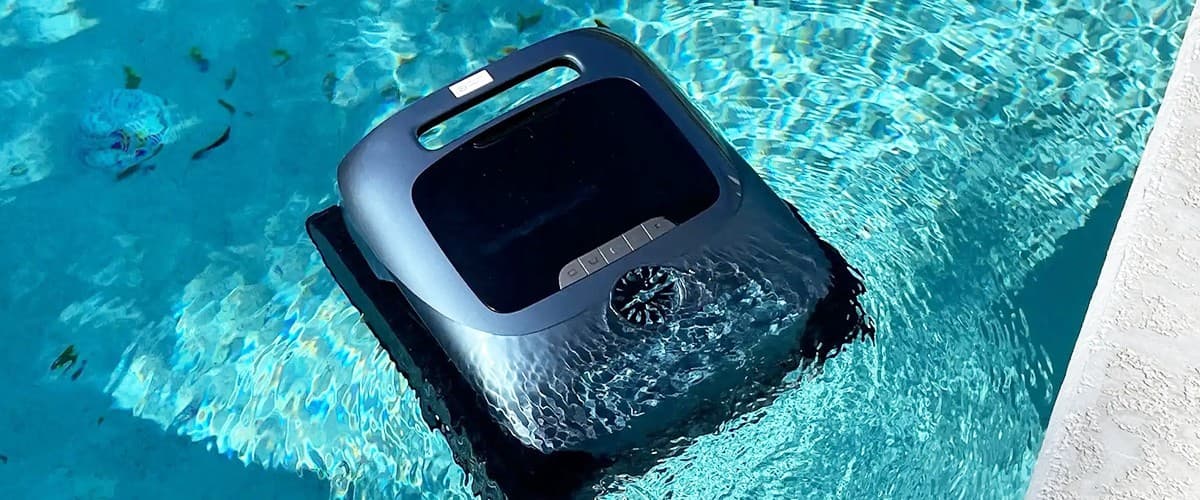
Beatbot AquaSense Pro
Beatbot
$1,200 - $1,800
pool_size: Up to 2,500 sq ft (in-ground)battery_life: 4.5 hourssuction_power: 8,000 GPH
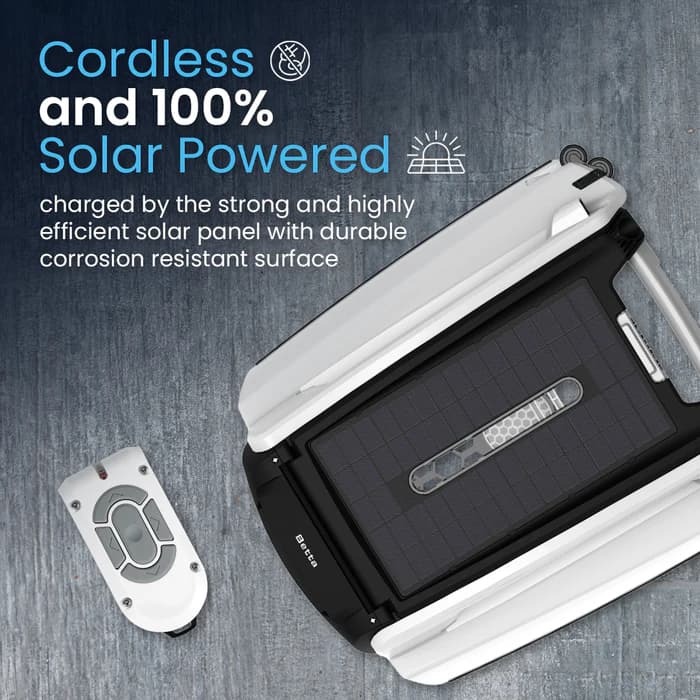
Betta SE Solar Skimmer
Betta
$300 - $500
pool_size: Up to 1,000 sq ft (all pool types)battery_life: Solar-powered continuous (30 hours with battery)suction_power: N/A (surface skimmer)
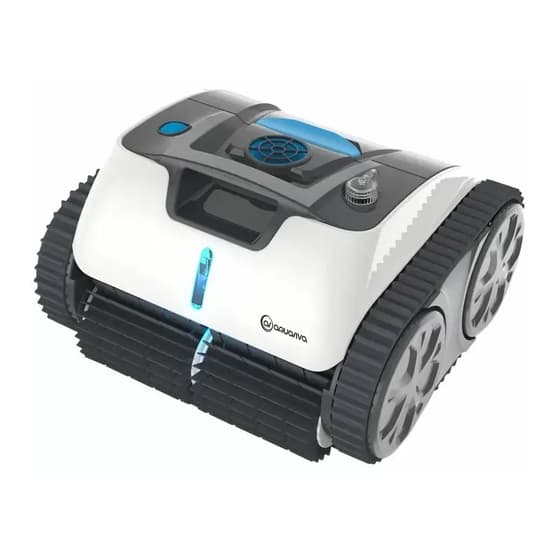
Wybot Osprey 700
Wybot
$700 - $1,100
pool_size: Up to 2,000 sq ft (in-ground and above-ground)battery_life: 3.5 hourssuction_power: 6,500 GPH
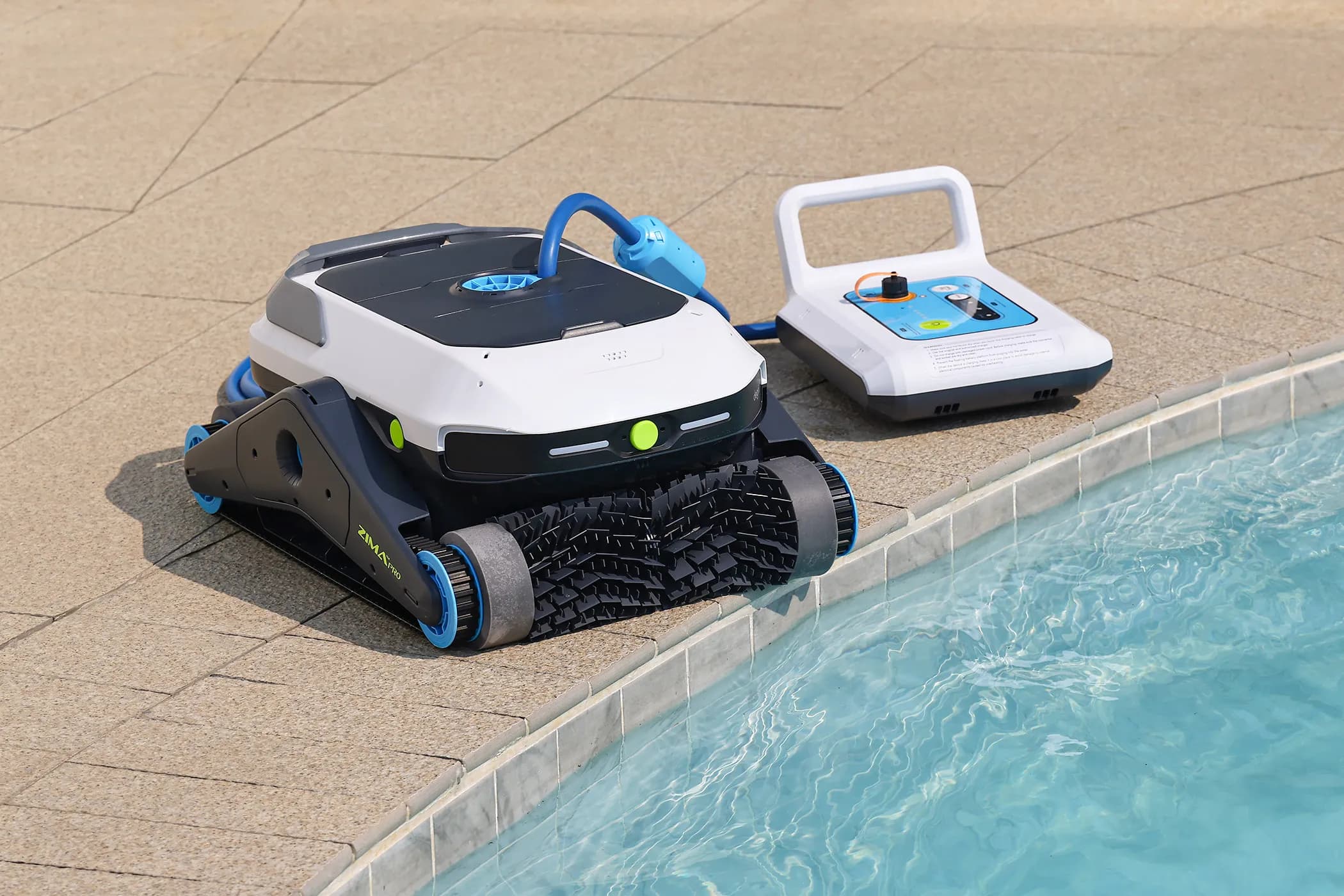
Degrii Zima Pro
Degrii
$1,500 - $2,500
pool_size: Up to 3,000 sq ft (in-ground)battery_life: 5 hourssuction_power: 10,000 GPH
Frequently Asked Questions
How much does a robotic pool cleaner cost?
Robotic pool cleaners from Chinese manufacturers range from $300 to $3,000+ depending on features and pool size capacity. Budget solar-powered surface skimmers from brands like Betta start at $300-$500. Mid-range cordless cleaners from Aiper and Wybot that handle floors, walls, and waterlines cost $500-$1,100. Premium models from Beatbot and Degrii with AI navigation, water quality monitoring, and commercial-grade suction run $1,200-$2,500. For large commercial pools at resorts and aquatic centers, professional systems can exceed $3,000. Chinese manufacturers offer prices 30-50% below comparable Western brands while delivering equivalent performance and build quality.
Are cordless pool cleaning robots as effective as corded models?
Modern cordless pool cleaning robots from Chinese manufacturers have largely closed the performance gap with corded models. Top cordless robots like the Aiper Seagull Pro and Degrii Zima Pro deliver 5,000-10,000 GPH suction power with 3-5 hours of battery life, sufficient to clean pools up to 3,000 sq ft in a single charge cycle. The main advantage of cordless robots is tangle-free operation and easy deployment without managing power cables. Corded models still hold an edge for continuous cleaning of very large commercial pools over 3,000 sq ft, where unlimited runtime is needed. For most residential and medium commercial pools, cordless robots from brands like Wybot and Beatbot provide excellent cleaning results.
Can pool cleaning robots climb walls and clean the waterline?
Yes, most mid-range and premium Chinese pool cleaning robots feature wall-climbing capability and waterline cleaning. Robots like the Aiper Seagull Pro use quad-motor systems to generate strong suction against vertical surfaces, climbing walls up to 90 degrees. The Beatbot AquaSense Pro includes dedicated waterline scrubbing brushes that remove grime, calcium deposits, and algae at the water's edge. Budget solar skimmers like the Betta SE only clean the water surface and cannot climb walls. When selecting a pool robot, check the manufacturer's specifications for wall-climbing height and whether waterline cleaning is included, as these features significantly affect price.
Why buy pool cleaning robots from China?
China has become the global hub for consumer robotic pool cleaners, with brands like Aiper, Beatbot, Degrii, and Wybot dominating the cordless pool robot market. Chinese manufacturers offer several advantages: prices 30-50% lower than comparable Western brands, rapid innovation cycles with new features like AI navigation and water quality sensors, extensive quality certifications (FCC, CE, UL), and robust global distribution through Amazon, Walmart, and direct-to-consumer channels. Shenzhen's electronics manufacturing ecosystem enables these companies to integrate cutting-edge battery, motor, and sensor technology at scale. Many Chinese pool robot brands have won CES Innovation Awards and rank among top sellers on major e-commerce platforms.
How long do robotic pool cleaner batteries last?
Robotic pool cleaner batteries from leading Chinese manufacturers typically last 3-5 hours per charge cycle and have a lifespan of 2-4 years or 500-800 charge cycles. The Aiper Seagull Pro runs about 3 hours, the Wybot Osprey 700 runs 3.5 hours, and the Degrii Zima Pro leads with 5 hours of runtime. Most models use lithium-ion batteries that charge fully in 3-4 hours via included charging docks. Battery capacity gradually decreases over time, retaining about 80% capacity after 2 years of regular use. Replacement batteries are available from manufacturers for $80-$200. To maximize battery life, avoid leaving the robot submerged when not cleaning and store it in a cool, dry place.
What maintenance does a robotic pool cleaner require?
Robotic pool cleaners require minimal but regular maintenance to perform optimally. After each cleaning cycle, empty and rinse the debris filter basket or cartridge to prevent clogging - models like the Wybot Osprey 700 feature quick-release filters for tool-free removal. Inspect and clean the scrubbing brushes weekly, replacing them every 6-12 months depending on use frequency. Rinse the robot body with fresh water after each use to remove chlorine and chemical residue. Check the drive tracks or wheels monthly for wear. The Degrii Zima Pro's self-cleaning filter system reduces manual maintenance significantly. Store the robot out of direct sunlight when not in use. Annual costs for replacement filters, brushes, and consumables typically run $50-$150.
What pool types and surfaces can robotic cleaners handle?
Chinese robotic pool cleaners are designed to work with virtually all pool types and surfaces. Models from Aiper, Wybot, and Degrii handle concrete, fiberglass, vinyl-lined, and tiled pools. In-ground pools are supported by all major brands, while select models like the Wybot Osprey 700 also work in above-ground pools. Pool shapes including rectangular, L-shaped, kidney, and freeform are handled through smart navigation algorithms. For pool size, budget models cover up to 1,000 sq ft, mid-range robots handle 1,600-2,000 sq ft, and commercial models like the Degrii Zima Pro clean pools up to 3,000 sq ft. Solar skimmers like the Betta SE work on any pool surface since they only clean the water surface. Always verify the manufacturer's compatibility chart before purchasing.
How much does a cordless robotic pool cleaner cost?
Cordless robotic pool cleaners from Chinese manufacturers cost $500-$2,500 depending on pool size capacity and features. Popular mid-range options like the Aiper Seagull Pro ($500-$700) and Wybot Osprey 700 ($700-$1,100) cover most residential pools. Premium models with AI mapping like the Degrii Zima Pro run $1,500-$2,500.
Are Chinese pool cleaning robots good quality?
Yes, Chinese pool cleaning robots from brands like Aiper, Beatbot, and Degrii have earned top ratings on Amazon and Walmart with thousands of verified reviews. These products carry FCC, CE, and UL safety certifications. Many have won CES Innovation Awards and are now the best-selling pool robots in North America and Europe.
What is the total cost of owning a pool cleaning robot?
Beyond the purchase price ($300-$3,000+), annual operating costs for a robotic pool cleaner are $50-$200 for replacement filters, brushes, and electricity. Battery replacement every 2-4 years costs $80-$200. Compared to manual pool cleaning services ($100-$300/month), a robotic pool cleaner typically pays for itself within 3-8 months.
Are cordless pool robots better than corded models?
Cordless models offer more convenience — no tangled cords, easier setup, and can clean any pool shape. Corded models (like Dolphin) offer longer run times and often stronger suction. For most homeowners, cordless is now the better choice thanks to improved battery technology in Chinese models.
How long do pool robot batteries last?
Most cordless pool robots run 2-3 hours per charge — enough for pools up to 2,000 sq ft. Battery lifespan is 2-4 years with proper care (300-500 charge cycles). Replacement batteries cost $80-$200. Always rinse the robot with fresh water after each use to extend battery and component life.
Can pool robots handle algae?
Pool robots remove loose algae and debris but cannot kill algae — that requires chemical treatment. Use your pool robot after chemical treatment to remove dead algae. The Degrii Zima Pro and Beatbot AquaSense Pro have the strongest suction for handling fine algae particles.
How often should I run my pool cleaning robot?
Run your pool robot 2-3 times per week for routine maintenance. During fall leaf season or after storms, run it daily. Most models support scheduled cleaning through their apps. The Betta SE solar skimmer can run continuously for daily surface maintenance.
Explore More
Get a Free Quote
Fill out the form below and we'll connect you with verified manufacturers within 24 hours.