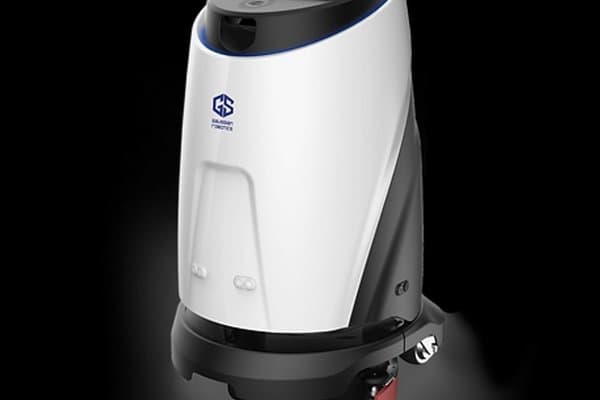
Robot floor cleaners have transformed how homes and businesses keep their floors spotless. Whether you need a commercial robot vacuum cleaner for your office, a vacuum-mop combo for your living room, or a heavy-duty commercial robotic vacuum cleaner for a warehouse, there is a robot floor cleaner designed for the job. In 2026, Chinese manufacturers lead the global market in both innovation and value, offering models that rival or outperform Western brands at significantly lower prices.
This guide covers every type of robot floor cleaner, compares the top Chinese and Western brands, and helps you choose the right model for your needs and budget.
Types of Robot Floor Cleaners
Robot floor cleaners fall into three broad categories, each designed for different environments and cleaning demands.
1. Vacuum + Mop Combo Robots
These are the most popular category for residential use. A single robot vacuums dust and debris, then mops the floor in the same pass. Modern models use vibrating or rotating mop pads for deeper cleaning and can automatically lift the mop when transitioning to carpet.
Best for: Homes, apartments, small offices
Key features: Dual vacuum and mop function, auto mop lifting, LiDAR or camera navigation, self-emptying and self-washing docks
Top models: Roborock S8 MaxV Ultra, Dreame X40 Ultra, Ecovacs Deebot X2 Omni
Price range: $400 – $1,200 (residential)
2. Dedicated Scrubbing Robots
Dedicated scrubbers are designed for hard floors that need more than a light mop. They use rotating brushes, water jets, and squeegee systems to remove stubborn stains, grease, and ground-in dirt. These are popular in kitchens, restaurants, and small commercial spaces.
Best for: Kitchens, restaurants, retail stores, clinics
Key features: High-pressure water delivery, rotating brush rolls, dirty water separation, edge cleaning
Top models: Tineco Floor One S7 Pro, Narwal Freo X Ultra, Hizero F803
Price range: $300 – $900 (residential), $2,000 – $8,000 (light commercial)
3. Commercial Floor Cleaning Robots
These are industrial-grade machines built for large-scale environments like shopping malls, airports, hospitals, and warehouses. They can scrub, sweep, and dry thousands of square meters per hour with minimal human supervision.
Best for: Warehouses, malls, airports, hospitals, factories
Key features: LiDAR + camera fusion navigation, 40–120 liter water tanks, 3–6 hour battery life, cloud fleet management, obstacle avoidance in crowded spaces
Top models: Gausium Scrubber 50, Gausium Scrubber 75, Gaussian Robotics Ecobot series
Price range: $8,000 – $80,000 depending on size and capability
Chinese Brands vs Western Brands
Chinese manufacturers have become the dominant force in robot floor cleaners at every price tier. Here is how the leading brands compare.
Leading Chinese Brands
Gausium (formerly Gaussian Robotics) is the world's largest manufacturer of commercial cleaning robots. Based in Shanghai, Gausium produces autonomous floor scrubbers deployed in airports, malls, and hospitals across 40+ countries. Their Scrubber 50 and Scrubber 75 models are industry benchmarks for commercial cleaning.
Roborock started as a Xiaomi ecosystem company and now leads the premium residential robot vacuum-mop market globally. Their S8 series combines powerful suction (11,000 Pa+), sonic mopping, and intelligent navigation at prices 30–40% below comparable iRobot models.
Dreame Technology has rapidly risen to challenge Roborock with aggressive innovation. The Dreame X40 Ultra features extending mop arms for edge cleaning, hot water washing, and AI obstacle recognition. Dreame offers some of the best value in the $500–$1,000 segment.
Ecovacs is one of the oldest Chinese robot vacuum brands. The Deebot X2 Omni introduced an industry-first square design for better corner cleaning. Ecovacs has a strong global distribution network and solid after-sales support.
Xiaomi targets the budget segment with capable robot vacuum-mops starting under $250. While not as feature-rich as Roborock or Dreame, Xiaomi robots offer reliable performance for price-sensitive buyers.
Leading Western Brands
iRobot (Roomba series) is the most recognized name in robot vacuums but has fallen behind Chinese competitors in features and value. The Roomba j9+ and Combo j9+ are solid but expensive. iRobot's mopping capabilities still lag behind Roborock and Dreame.
Dyson entered the robot vacuum market with the 360 Vis Nav, a premium device with strong suction but limited mopping capability and a high price tag ($1,200+).
Tennant and Nilfisk dominate the Western commercial cleaning robot market but at significantly higher price points than Chinese alternatives.
Comparison Table: Commercial vs Residential Robot Floor Cleaners
| Feature | Residential Combo Robot | Light Commercial Scrubber | Heavy Commercial Scrubber |
|---|---|---|---|
| Cleaning area | 100 – 300 sqm | 300 – 2,000 sqm | 2,000 – 10,000 sqm/hr |
| Water tank | 0.2 – 0.8 liters | 2 – 10 liters | 40 – 120 liters |
| Battery life | 1 – 3 hours | 2 – 4 hours | 3 – 6 hours |
| Navigation | LiDAR or camera | LiDAR | LiDAR + camera fusion |
| Noise level | 55 – 70 dB | 60 – 75 dB | 60 – 80 dB |
| Price (Chinese brand) | $200 – $800 | $2,000 – $8,000 | $8,000 – $40,000 |
| Price (Western brand) | $400 – $1,400 | $5,000 – $15,000 | $20,000 – $80,000 |
| Self-maintenance | Self-empty, self-wash dock | Manual tank fill | Auto-dock for water refill |
| Best use case | Homes, small offices | Restaurants, clinics | Malls, airports, warehouses |
Price Ranges by Category
Here is a detailed breakdown of what to expect at each price tier.
Budget: Under $300
- Basic vacuum-mop combos from Xiaomi, Dreame (entry models)
- Adequate for small apartments, basic navigation
- Limited mopping pressure, smaller dustbins
Mid-Range: $300 – $700
- Strong vacuum-mop combos with LiDAR navigation
- Self-emptying docks, decent mopping performance
- Roborock Q series, Dreame L series, Ecovacs N series
Premium Residential: $700 – $1,200
- Top-tier vacuum-mop combos with all-in-one docks
- Self-emptying, self-washing, hot water cleaning, auto mop lifting
- Roborock S8 MaxV Ultra, Dreame X40 Ultra, Ecovacs X2 Omni
Light Commercial: $2,000 – $8,000
- Purpose-built scrubbers for restaurants, clinics, small retail
- Larger water tanks, stronger brush pressure, commercial-grade build
Heavy Commercial: $8,000 – $80,000
- Autonomous floor scrubbers for malls, airports, warehouses
- Fleet management, cloud monitoring, massive cleaning capacity
- Gausium, Gaussian Robotics, Tennant, Nilfisk
Key Features to Look For
When evaluating any robot floor cleaner, pay attention to these features.
Navigation Technology
LiDAR navigation is the gold standard for accuracy and reliability. Premium models combine LiDAR with cameras and AI for obstacle recognition. Avoid budget models that rely on gyroscope-only navigation, as they produce inconsistent cleaning patterns.
Mopping System
The best mopping systems use rotating or vibrating pads with downward pressure. Look for models that vibrate at 3,000+ RPM or apply 6+ Newtons of pressure. Sonic mopping (Roborock) and dual rotating pads (Dreame) deliver the best stain removal.
Self-Maintenance Dock
All-in-one docks that empty the dustbin, wash the mop pads, refill clean water, and dry the mop with hot air dramatically reduce manual maintenance. This feature is now standard on premium residential models from Chinese brands.
Obstacle Avoidance
AI-powered obstacle avoidance using cameras and structured light sensors prevents the robot from getting stuck on shoes, cables, pet toys, and other common floor obstacles. Roborock, Dreame, and Ecovacs all offer excellent obstacle avoidance in their flagship models.
App Control and Mapping
A good companion app lets you set no-go zones, schedule room-specific cleaning, adjust suction and water flow per room, and view cleaning history. Multi-floor map storage is essential for multi-story homes or commercial buildings.
ROI for Commercial Use
Commercial robot floor cleaners deliver a strong return on investment. Here is a sample calculation for a mid-size shopping mall.
| Item | Cost |
|---|---|
| Gausium Scrubber 75 (landed cost) | $25,000 |
| Annual operating cost (consumables, maintenance, power) | $3,000 |
| Annual labor savings (replaces 1.5 night-shift cleaners) | $50,000 – $65,000 |
| **Payback period** | **5 – 7 months** |
For warehouses, the ROI can be even faster due to larger floor areas and higher cleaning frequency requirements. Many facilities achieve full payback within 4 months.
Additional benefits that are harder to quantify include consistent cleaning quality, reduced slip-and-fall liability, data-driven cleaning schedules, and the ability to clean during off-hours without staff supervision.
How to Buy Robot Floor Cleaners from China
Purchasing directly from Chinese manufacturers or through a sourcing partner like GrabaRobot can save you 30–50% compared to buying through local distributors.
Step 1: Define your requirements — Floor type, area size, cleaning frequency, and budget.
Step 2: Request quotes — Get factory-direct pricing from multiple manufacturers.
Step 3: Evaluate samples — For commercial orders, request a demo unit or video demonstration.
Step 4: Negotiate terms — MOQ, warranty, after-sales support, and shipping terms (FOB vs CIF).
Step 5: Arrange shipping — Sea freight for commercial orders (4–6 weeks), air freight for urgent residential orders (5–10 days).
Frequently Asked Questions
Are robot floor cleaners worth it?
Yes. For residential users, a vacuum-mop combo saves 3–5 hours per week on floor maintenance. For commercial users, autonomous scrubbers can replace 1–2 full-time cleaning staff and deliver payback in under a year.
How do Chinese robot floor cleaners compare to iRobot?
Chinese brands like Roborock, Dreame, and Ecovacs now surpass iRobot in features, mopping performance, and value. iRobot's main advantage is brand recognition in the US market, but its technology has not kept pace with Chinese innovation.
What is the best robot floor cleaner for a warehouse?
Gausium Scrubber 75 or Gaussian Robotics models are the top choices for warehouse use. They handle large floor areas (5,000+ sqm/hr), are built for industrial environments, and cost 40–60% less than comparable Tennant or Nilfisk models.
Can robot mops replace manual mopping?
For daily maintenance, absolutely. Robot mops handle dust, light stains, and routine cleaning effectively. For deep cleaning or heavily soiled floors, periodic manual or professional cleaning is still recommended.
How long do robot floor cleaners last?
Residential models typically last 3–5 years with regular maintenance (brush replacement, filter cleaning). Commercial models are built for 5–8 years of heavy use with proper servicing.
Do I need separate robots for vacuuming and mopping?
Not anymore. Modern combo robots handle both tasks in a single pass. However, for commercial applications, dedicated scrubbers still outperform combo units on hard floor deep cleaning.
Find the Right Robot Floor Cleaner
Whether you need a robot mop for your home or a commercial scrubber for a 10,000 sqm warehouse, GrabaRobot connects you with the best Chinese manufacturers at factory-direct prices.
Ready to get pricing tailored to your specific needs? Tell us about your facility and cleaning requirements.