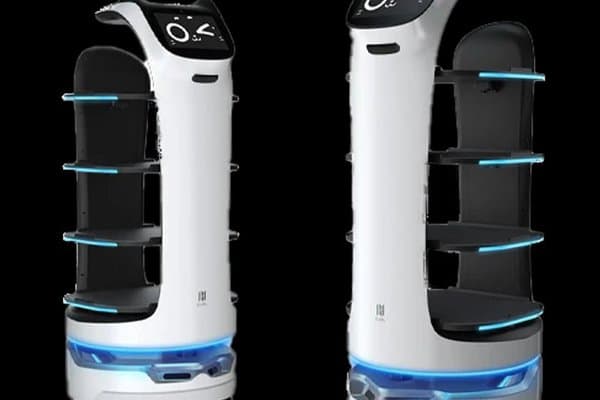
Delivery robots are being deployed across university campuses, suburban neighborhoods, and urban districts worldwide. With robot costs dropping below $10,000 for sidewalk models and proven unit economics at scale, 2026 is a compelling time to start a delivery robot operation.
Market Landscape
Delivery Robot Types
| Type | Use Case | Cost per Unit | Typical Revenue |
|---|---|---|---|
| Sidewalk delivery | Food, grocery, packages | $5,000 - $15,000 | $30-80/day |
| Indoor delivery | Hotels, hospitals, restaurants | $8,000 - $25,000 | $50-120/day (labor savings) |
| Outdoor autonomous | Campus, parks, large areas | $15,000 - $40,000 | $80-200/day |
Who's Doing It
- Starship Technologies — 9M+ deliveries on 50+ US university campuses
- Serve Robotics — Uber Eats and 7-Eleven delivery in LA
- Coco — Restaurant delivery in LA and Austin
- Pudu/Keenon — Indoor restaurant/hotel delivery (80,000+ units deployed in China)
Business Models
Model 1: RaaS (Robot-as-a-Service) for Restaurants
Provide delivery robots to restaurants on a monthly subscription.
- Revenue: $1,500-$3,000/month per robot
- Costs: Robot lease/depreciation ($200-$400/mo), maintenance ($100-$200/mo), remote monitoring ($50-$100/mo)
- Gross margin: 60-70%
- Best robots: Pudu BellaBot, Keenon T5, Bear Robotics Servi
Model 2: Campus Delivery Service
Operate a fleet of sidewalk delivery robots on a university campus.
- Revenue: $3-$6 per delivery, 20-40 deliveries/robot/day
- Costs: Robot ($8,000-$15,000 amortized over 3 years), operations, maintenance
- Break-even: 15-20 deliveries/day per robot
- Best robots: Starship-style 6-wheel sidewalk robots, Segway DeliverBot
Model 3: Hotel Room Delivery
Deploy delivery robots in hotels for room service, amenities, and concierge.
- Revenue: Cost savings (replace 1-2 night shift staff per hotel)
- ROI: 12-18 months per hotel
- Best robots: Pudu SwiftBot, Keenon Hotel Dinerbot, Savioke Relay+
Unit Economics
Campus Delivery Robot (Sidewalk Model)
| Metric | Value |
|---|---|
| Robot cost | $12,000 |
| Expected life | 3 years |
| Monthly depreciation | $333 |
| Monthly maintenance | $150 |
| Monthly operations (remote monitoring, charging) | $200 |
| **Monthly cost per robot** | **$683** |
| Deliveries per day | 25 |
| Revenue per delivery | $4.50 |
| **Monthly revenue** | **$3,375** |
| **Monthly profit per robot** | **$2,692** |
| **Payback period** | **~5 months** |
*Note: Economics improve significantly with fleet size (shared operations costs).*
Chinese Delivery Robot Options
Indoor Delivery
| Robot | Manufacturer | Price | Best For |
|---|---|---|---|
| BellaBot | Pudu Robotics | $12,000-$16,000 | Restaurants (cat-face design, 4 trays) |
| Keenon T5 | Keenon Robotics | $10,000-$15,000 | Hotels (elevator integration) |
| SwiftBot | Pudu Robotics | $10,000-$14,000 | Hotels (large cargo compartment) |
| T10 Outdoor | Keenon Robotics | $12,000-$22,000 | Campus outdoor delivery |
Outdoor Delivery
| Robot | Manufacturer | Price | Best For |
|---|---|---|---|
| Segway DeliverBot S2 | Segway-Ninebot | $15,000-$25,000 | Campus/park delivery (50km range) |
| Nuro R3 | Nuro | N/A (fleet only) | Suburban grocery delivery |
| Keenon T10 Outdoor | Keenon | $12,000-$22,000 | All-weather campus delivery |
Getting Started: Step by Step
Phase 1: Pilot (Month 1-3)
- Select 1 venue (restaurant, hotel, or campus)
- Deploy 2-3 robots
- Measure: deliveries/day, customer satisfaction, technical issues
Phase 2: Optimize (Month 3-6)
- Refine routes, charging schedules, and operations
- Build customer demand and prove unit economics
- Develop remote monitoring and fleet management capabilities
Phase 3: Scale (Month 6-12)
- Expand to 5-10 venues
- Hire operations team
- Develop partnerships with restaurant/hotel chains
Frequently Asked Questions
Do I need permits to operate delivery robots?
Regulations vary by location. Many US states have passed sidewalk delivery robot legislation. Check local ordinances. Indoor robots (restaurants, hotels) typically don't require special permits.
How do delivery robots handle theft and vandalism?
Modern delivery robots have locked compartments, 360° cameras with recording, GPS tracking, and remote monitoring. Theft rates are extremely low — Starship reports less than 0.1% of deliveries are affected.
What's the minimum viable fleet size?
For a campus operation, start with 3-5 robots to ensure adequate coverage and uptime (accounting for charging and maintenance). For restaurant RaaS, even 1 robot per location works.